Introduction
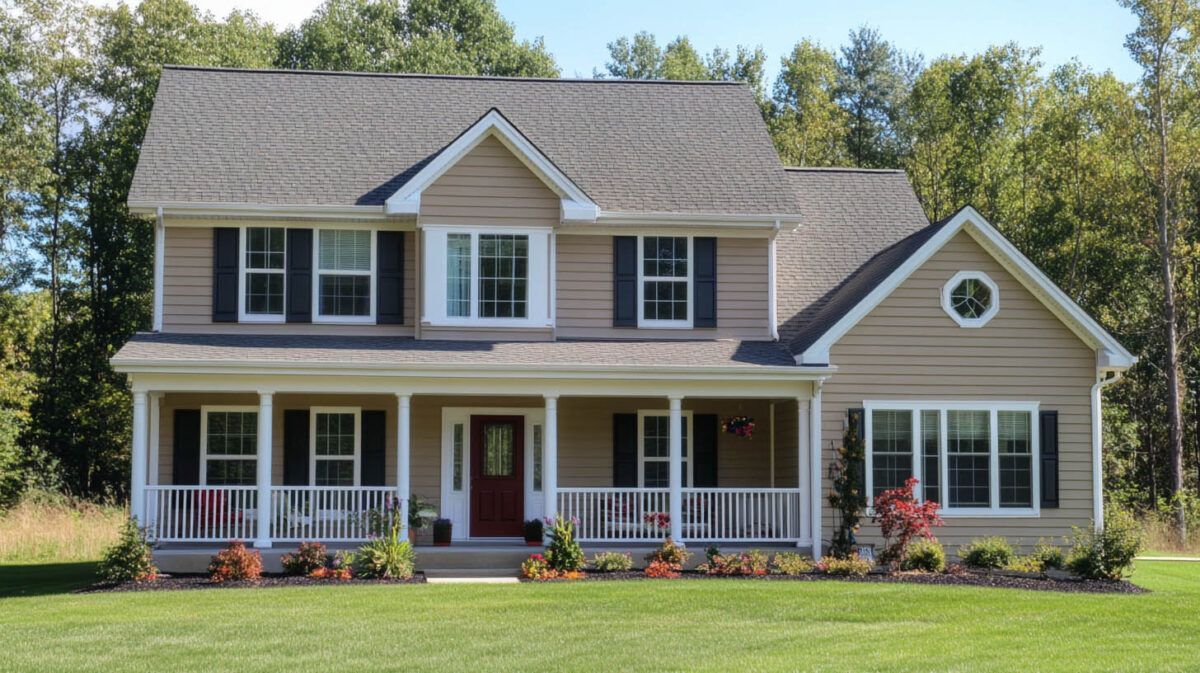
Vinyl siding has become one of the most popular exterior cladding options for homeowners looking to enhance their property’s durability, energy efficiency, and visual appeal. As one of the most cost-effective and low-maintenance siding materials available, vinyl offers long-term benefits that make it a preferred choice across the United States, including in Indiana. Advances in technology have further improved its strength, design versatility, and insulation capabilities, making it a practical investment for modern homeowners.
What Is Vinyl Siding?
Vinyl siding is a durable plastic exterior material primarily made from polyvinyl chloride (PVC). First introduced in the 1960s as an alternative to aluminum and wood siding, it has since evolved into a superior product with enhanced weather resistance, improved textures, and a wider variety of colors. Unlike traditional siding options, vinyl requires minimal upkeep while providing long-term protection against the elements.
Key Benefits of Vinyl Siding
1. Exceptional Durability
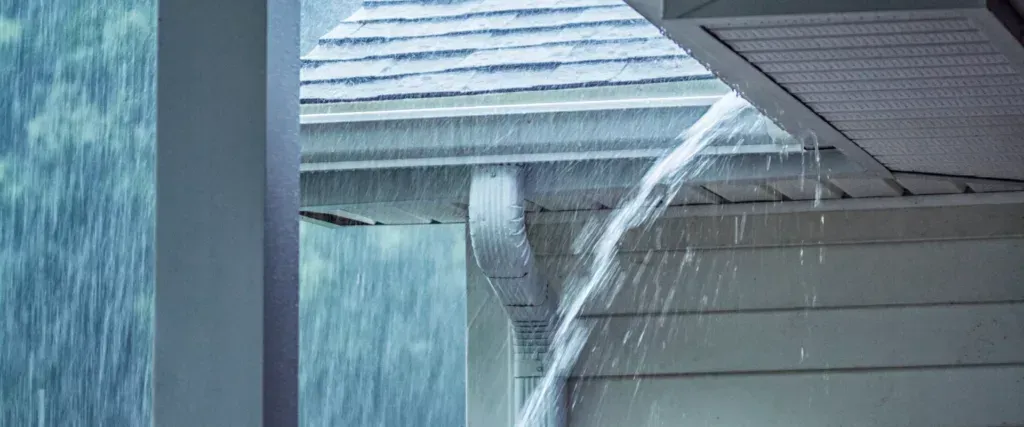
Vinyl siding is engineered to withstand extreme weather conditions, including heavy rain, strong winds, and freezing temperatures.
- Weather Resistance: Unlike wood, which is susceptible to rot, and metal, which can corrode, vinyl remains intact for decades.
- Impact Resistance: Modern vinyl siding is designed to resist cracking and denting from hail or debris.
- Moisture Protection: Unlike fiber cement or wood, vinyl does not absorb moisture, preventing mold, mildew, and warping.
With proper installation and care, vinyl siding can last over 60 years, making it a long-term investment for homeowners.
2. Minimal Maintenance Requirements
Homeowners seeking a low-maintenance exterior solution will benefit from vinyl siding’s ease of upkeep.
- Unlike wood, which requires regular staining or painting, vinyl siding retains its color without fading or peeling.
- It can be cleaned with a simple hose wash and mild detergent, eliminating the need for professional cleaning services.
- Vinyl does not require insect treatments or sealing, further reducing maintenance costs.
3. Cost-Effective Exterior Solution
Vinyl siding is one of the most affordable exterior cladding materials available.
- Lower Initial Costs: Compared to brick, wood, or fiber cement, vinyl siding is significantly more budget-friendly.
- Long-Term Savings:
With no need for repainting, sealing, or expensive repairs, vinyl reduces home maintenance costs.
- Energy Efficiency Benefits: Insulated vinyl siding helps cut down on heating and cooling expenses.
According to industry data, vinyl siding installations offer a return on investment (ROI) of over 68%, making it a smart financial decision for homeowners looking to increase property value.
4. Enhanced Energy Efficiency
Vinyl siding can improve a home’s insulation, reducing energy consumption and enhancing indoor comfort.
- Insulated vinyl siding adds an extra layer of thermal protection, reducing heat loss in winter and cooling loss in summer.
- By minimizing temperature fluctuations, vinyl siding contributes to lower energy bills year-round.
- Homes with insulated siding may qualify for energy tax credits, providing additional cost savings.
5. Aesthetic Versatility and Customization
Vinyl siding is available in an extensive range of colors, textures, and styles, allowing homeowners to achieve their desired exterior look.
- Modern vinyl can mimic the appearance of natural wood, stone, or shake siding with realistic textures.
- Options include horizontal, vertical, board and batten, and shake-style designs to suit various architectural styles.
- Since the color is infused into the material during manufacturing, vinyl resists fading and maintains a fresh appearance for decades.
6. Quick and Easy Installation
Unlike heavier siding materials such as brick or fiber cement, vinyl siding is lightweight and designed for fast installation.
- Vinyl features an interlocking system that simplifies the installation process, reducing labor costs.
- Because it does not require painting or special finishing, most vinyl siding projects are completed within days rather than weeks.
- A faster installation means homeowners can enjoy their upgraded exterior with minimal disruption to their daily lives.
7. Increased Property Value and Market Appeal
A home with high-quality vinyl siding benefits from improved resale value and curb appeal.
- A well-maintained vinyl exterior enhances first impressions, attracting potential buyers.
- Vinyl siding is an investment that contributes to higher appraisal values for homeowners looking to sell.
- Transferable warranties on vinyl siding can be an added selling point for buyers.
8. Superior Weather Protection for Indiana Homes
Indiana experiences a mix of humid summers, cold winters, and severe storms, making durable siding essential.
- Moisture Resistance: Unlike wood, which can swell and rot, vinyl remains unaffected by humidity and rain.
- Wind Resistance: Modern vinyl siding is rated to withstand winds of up to 110 mph, offering protection during storms.
- UV Protection: Advanced coatings prevent color fading, ensuring long-lasting vibrancy even with direct sun exposure.
Choosing the Right Vinyl Siding for Your Home
Not all vinyl siding products are created equal. Homeowners should consider thickness, insulation options, and manufacturer warranties when making a selection.
- Standard vinyl siding thickness ranges from 0.035 to 0.055 inches, with thicker options offering better impact resistance.
- Insulated vinyl siding is recommended for added energy savings, particularly in colder climates.
- A warranty of at least 25–50 years ensures long-term reliability and performance.
Professional Vinyl Siding Installation
Proper installation is key to maximizing the benefits of vinyl siding. An experienced contractor ensures seamless installation, weatherproofing, and long-term durability.
180 Contractors Roofing & Siding, located in Waterford, MI, provides expert vinyl siding installation backed by BBB A+ accreditation, Guildmaster (GuildQuality), INC 5000 recognition, Google Guaranteed certification, and Qualified Remodeler Top 100 Satisfaction ratings. Working with trusted brands such as James Hardie, Alside, and Everlast, they offer high-quality solutions tailored to each home’s needs.
Conclusion
Vinyl siding is a durable, cost-effective, and visually appealing solution for homeowners looking to improve their property’s exterior. With benefits including low maintenance, energy efficiency, weather resistance, and increased property value, it remains a top choice for modern home renovations. Choosing high-quality vinyl siding and professional installation ensures long-term performance and protection for years to come.
FAQs
- How long does vinyl siding last?
High-quality vinyl siding can last between 30 to 60 years, depending on maintenance and environmental conditions. - Does vinyl siding fade over time?
Modern vinyl siding is manufactured with UV-resistant coatings that prevent fading and maintain color vibrancy for decades. - Can vinyl siding help reduce energy costs?
Yes, insulated vinyl siding improves home insulation by minimizing heat transfer, leading to lower heating and cooling expenses. - Is vinyl siding resistant to mold and pests?
Unlike wood, vinyl does not absorb moisture and prevents mold growth and insect infestations. - How does vinyl siding compare to fiber cement?
Vinyl siding is more affordable, requires less maintenance, and is easier to install than fiber cement, making it a preferred choice for many homeowners.
Read also our blog:
Trending Siding Materials for Homes in Indiana: Innovations and Modern Choices