How New Siding Increases Home Value: 4 Key Benefits

Home improvement projects can significantly enhance a property’s value, and one of the most impactful upgrades is installing new siding. A well-maintained and visually appealing exterior not only attracts potential buyers but also improves energy efficiency, structural integrity, and overall home protection. This article explores how new siding increases home value and why homeowners should consider this investment.
The Impact of New Siding on Home Value
New siding is among the top exterior renovations that provide a high return on investment (ROI). According to industry reports, homeowners can recover up to 82% of the installation cost when selling their homes. The increase in home value depends on various factors, including the material chosen, market trends, and installation quality.
1. Enhancing Curb Appeal and First Impressions
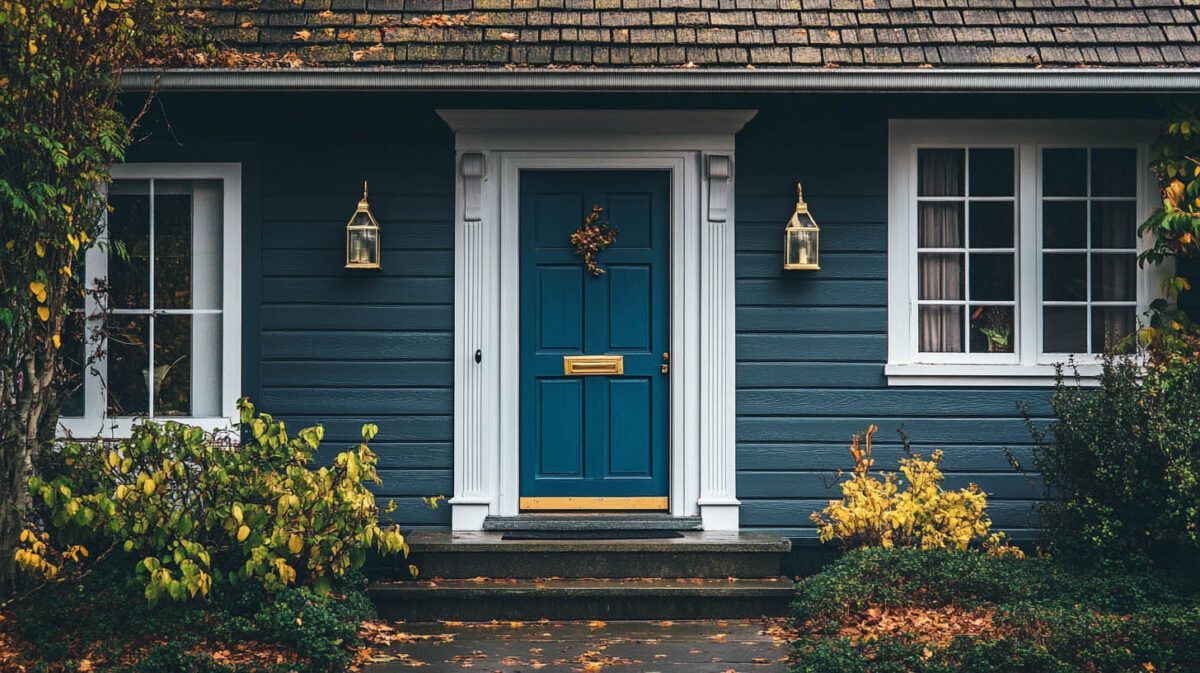
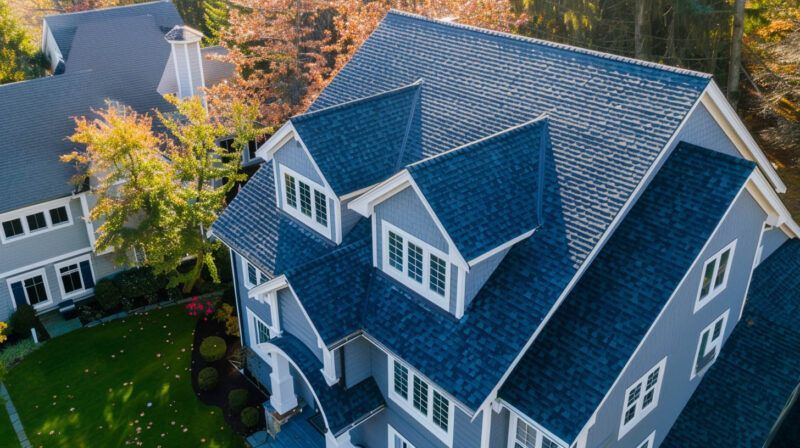
Curb appeal plays a crucial role in a home’s marketability. Studies show that homes with strong curb appeal can sell for 7% to 14% more than those with neglected exteriors. Since siding covers the majority of a home’s facade, a fresh installation instantly upgrades its appearance.
- Variety of Styles and Colors: Modern siding options mimic premium materials like wood, stone, and slate, allowing homeowners to achieve a high-end look at a lower cost.
- Aesthetic Uniformity: Choosing a siding material that complements the neighborhood style enhances market appeal.
- Increased Buyer Interest: A well-maintained exterior reduces buyer concerns about immediate repairs.
2. Strengthening Home Protection Against Damage
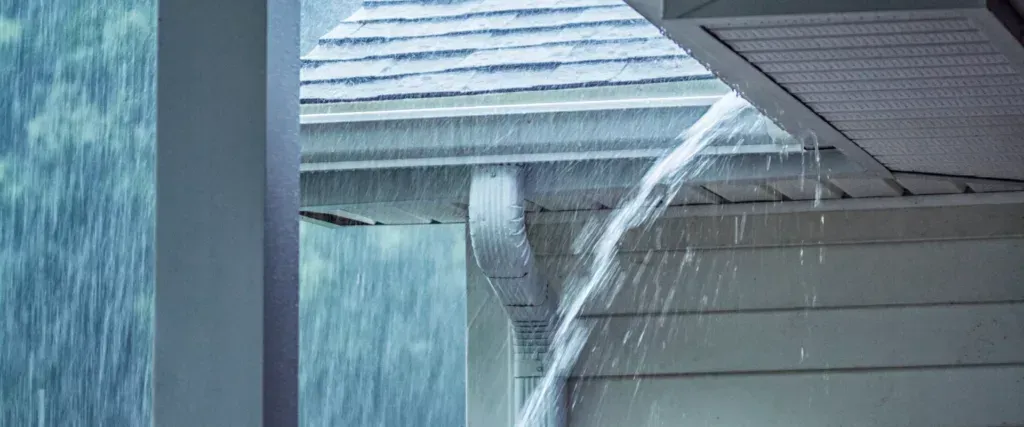
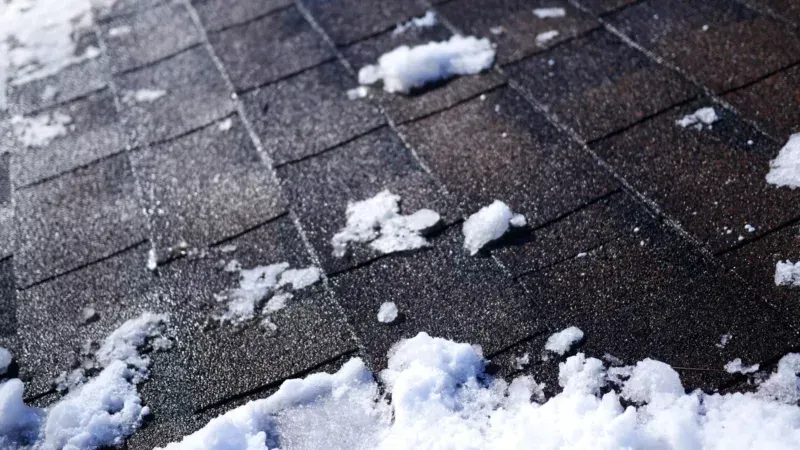
Siding acts as a home’s first line of defense against environmental elements. Over time, exposure to rain, wind, UV rays, and pests can cause structural damage. Replacing old siding provides the following protective benefits:
- Weather Resistance: Modern siding materials are designed to withstand extreme heat, cold, and moisture.
- UV Protection: Advanced siding options feature UV-resistant coatings to prevent fading and deterioration.
- Moisture Control: Properly installed siding prevents water infiltration, reducing the risk of mold and rot.
3. Improving Structural Integrity and Longevity
Installing new siding allows homeowners to address hidden structural issues such as rotting wood, mold growth, or insect infestations. During the installation process, contractors can inspect and reinforce the home’s exterior framework, preventing long-term damage.
- Prevention of Further Damage: Replacing deteriorating siding prevents underlying issues from worsening.
- Increased Durability: Materials like fiber cement and engineered wood offer lifespans of 30 to 50 years, making them excellent long-term investments.
- Higher Home Inspection Ratings: Homes with newer siding are more likely to pass pre-sale inspections, making them more attractive to buyers.
4. Boosting Energy Efficiency and Reducing Utility Costs
Energy efficiency is a major selling point for modern homebuyers. Outdated siding materials may lack insulation, causing higher energy bills. Upgrading to insulated siding provides the following benefits:
- Improved Temperature Regulation: Insulated siding reduces heat loss in winter and heat gain in summer, maintaining a stable indoor climate.
- Lower Heating and Cooling Costs: Homeowners can save up to 20% on energy bills by upgrading to energy-efficient siding.
- Increased R-Value: Siding with a higher R-value provides better thermal insulation, reducing the need for additional wall insulation.
Choosing the Right Siding Material for Maximum ROI
Selecting the best siding material is crucial for maximizing home value. Each option offers unique advantages in durability, aesthetics, and maintenance.
| Siding Material | Average Lifespan | Key Benefits |
|---|---|---|
| Vinyl Siding | 20-40 years | Affordable, low maintenance, weather-resistant |
| Fiber Cement | 30-50 years | Fire-resistant, durable, resembles real wood |
| Wood Siding | 20-40 years | Natural aesthetic, customizable, requires regular maintenance |
| Metal Siding | 40-60 years | Highly durable, resistant to fire and pests |
Among these options, vinyl siding remains the most popular due to its affordability, versatility, and 82% ROI.
Installation Considerations for Long-Term Value
Proper installation is key to maximizing the benefits of new siding. Homeowners should consider the following factors:
- Professional Installation: Hiring certified contractors ensures correct installation, preventing moisture buildup and structural issues.
- Warranty Coverage: Choosing siding with manufacturer warranties offers long-term protection against defects.
- Local Climate Conditions: In areas with harsh winters or humid summers, selecting weather-resistant materials enhances durability.
The Importance of Working with a Trusted Contractor
Choosing the right contractor ensures a high-quality siding installation. 180 Contractors Roofing & Siding, located in Troy, MI, has a reputation for excellence in exterior home improvements. The company holds prestigious certifications, including:
- BBB A+ Accreditation
- Guildmaster Award (GuildQuality)
- INC 5000 Recognition
- Google Guaranteed
- Qualified Remodeler Top 100 Satisfaction
180 Contractors works with leading brands like James Hardie, Alside, and Everlast, ensuring premium materials and expert craftsmanship.
FAQs
1. How much does new siding increase home value?
New siding can increase a home’s value by up to 7%, depending on material choice, installation quality, and market conditions.
2. What is the best siding material for ROI?
Vinyl siding offers the highest ROI at 82%, followed by fiber cement at 69%.
3. How often should siding be replaced?
Most siding materials last 20-50 years, but replacement may be needed sooner if there are visible signs of damage.
4. Does insulated siding really improve energy efficiency?
Yes, insulated siding can reduce heating and cooling costs by up to 20% and improve indoor comfort.
5. Is new siding worth the investment if I’m not selling my home?
Absolutely. Besides increasing resale value, new siding improves energy efficiency, durability, and curb appeal, making it a worthwhile long-term investment.
Conclusion
Installing new siding is one of the most effective ways to increase home value. By enhancing curb appeal, protecting against damage, improving structural integrity, and boosting energy efficiency, homeowners can maximize their investment. Choosing high-quality materials and working with an experienced contractor ensures long-term durability and a high return on investment.
Read also our blog:
The Advantages of Vinyl Siding for Homes: Durability, Efficiency, and Curb Appeal
GET A FREE QUOTE
We will get back to you as soon as possible.
Please try again later.
Recent Posts