The Role of Siding in Defining a Home
Siding does more than protect a home from the elements—it shapes its character, enhances its curb appeal, and adds value to the property. The right siding material can make a house feel warm and inviting or sleek and modern. While durability is a key factor, aesthetics play an equally important role in selecting the perfect siding solution.
Advancements in siding technology have introduced materials that blend beauty with resilience, allowing homeowners to enjoy low-maintenance solutions without sacrificing style. Understanding the strengths and weaknesses of each siding option is crucial in making an informed decision that balances longevity, maintenance, and design.
Choosing the Best Siding for Beauty and Endurance
Vinyl Siding: Cost-Effective and Low-Maintenance
Vinyl siding is one of the most widely used options due to its affordability and ease of maintenance. Available in a vast range of colors and styles, it allows homeowners to customize their exterior without extensive upkeep.
Key Benefits:
- Resistant to moisture and insects
- Requires minimal cleaning
- Available in numerous textures and colors
Considerations:
- Can fade over time due to sun exposure
- May crack in extreme cold
- Lacks the authenticity of natural materials
Wood Siding: Classic Elegance with Natural Appeal
Wood siding has long been favored for its timeless beauty and organic warmth. It creates a connection between a home and its surroundings, making it particularly desirable in rustic and traditional architectural designs.
Key Benefits:
- Unique wood grain patterns add character
- Can be painted or stained for customization
- With proper care, lasts for decades
Considerations:
- Requires frequent maintenance, including sealing and staining
- Susceptible to moisture damage and termites
- More expensive than synthetic alternatives
Fiber Cement Siding: Strength with a Natural Look
Fiber cement siding combines the appearance of wood with the durability of cement-based materials. It is engineered to withstand harsh weather conditions while maintaining a natural aesthetic.
Key Benefits:
- Resistant to fire, insects, and rot
- Available in various textures, including wood grain finishes
- Requires less maintenance than traditional wood siding
Considerations:
- Heavier than vinyl and wood, requiring professional installation
- Higher initial cost compared to vinyl
Metal Siding: A Modern and Industrial Choice
Metal siding, particularly aluminum and steel, provides a sleek, contemporary look with excellent durability. It is commonly used in modern and industrial-style homes.
Key Benefits:
- Fire-resistant and impervious to rot and insects
- Minimal maintenance required
- Environmentally friendly, as it can be recycled
Considerations:
- Prone to denting, especially in areas with heavy hailstorms
- Conducts heat, requiring proper insulation
Brick and Stone Veneer: Timeless Durability
Brick and stone veneer add a sense of permanence and luxury to a home’s exterior. These materials have been used in construction for centuries and continue to be favored for their classic appearance and resilience.
Key Benefits:
- Highly durable, lasting for generations
- Requires little maintenance
- Increases home value
Considerations:
- Higher upfront costs for materials and installation
- Can be heavy, requiring structural reinforcement in some cases
How to Maintain Siding for Long-Lasting Beauty
Cleaning and Preventing Build-Up
Regular maintenance helps extend the lifespan of siding and preserves its appearance. Different siding materials require specific cleaning methods:
- Vinyl and Metal Siding: Wash with a garden hose and mild soap to remove dirt and mildew. A soft-bristle brush helps eliminate stubborn grime.
- Wood Siding:
Use a wood-friendly cleaner and inspect for rot or insect damage annually. Repainting or staining every few years is necessary.
- Fiber Cement and Brick: A pressure washer on a low setting can effectively clean these materials without causing damage.
Addressing Damage and Repairs
Identifying and addressing siding damage promptly prevents further deterioration:
- Cracks and Gaps:
Seal minor cracks with caulk to prevent moisture infiltration.
- Fading Paint: Repaint as needed using high-quality exterior paint designed for the specific siding material.
- Warping or Buckling:
Improper installation or prolonged exposure to extreme temperatures may cause warping, requiring partial replacement.
Enhancing Curb Appeal with Siding Upgrades
Updating a home’s exterior with new siding or accents can dramatically enhance its visual appeal. Some popular ways to refresh siding include:
- Contrasting Colors:
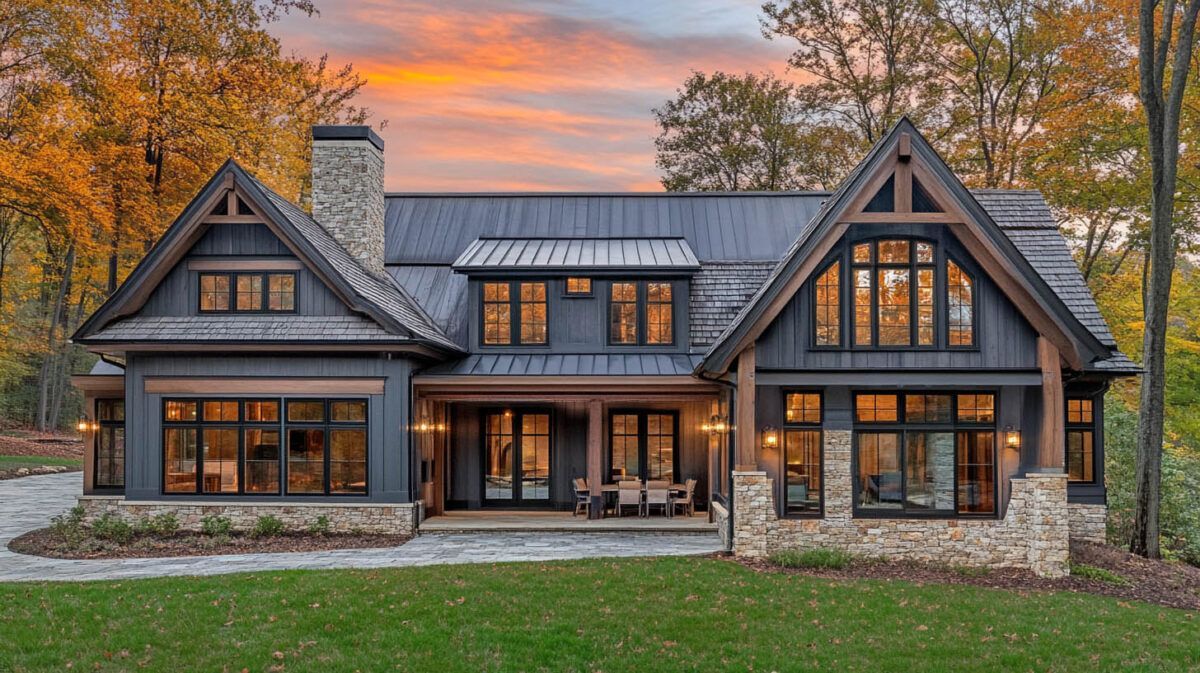
Dark primary siding with white trim creates a bold, modern look.
- Mixed Materials:
Combining brick, stone, or wood accents with traditional siding adds texture and depth.
- Vertical and Horizontal Layouts: Mixing siding orientations can create architectural interest and make a home stand out.
Innovations in Siding Technology
Energy-Efficient and Sustainable Options
Advancements in siding technology have led to energy-efficient materials that reduce heating and cooling costs. Reflective coatings, insulated siding, and eco-friendly materials contribute to improved energy performance.
- Insulated Vinyl Siding:
Enhances thermal efficiency, reducing energy bills.
- Recycled Composite Siding: Made from sustainable materials, offering an environmentally friendly option.
- Solar-Reflective Coatings: Reduce heat absorption, keeping homes cooler in the summer.
Smart Siding Solutions
The integration of smart technology into home exteriors is becoming more common. Some siding manufacturers offer materials embedded with sensors that detect moisture levels, alerting homeowners to potential issues before they escalate.
Choosing a Trusted Siding Installation Professional
Selecting the right contractor ensures proper installation, maximizing siding durability and performance. 180 Contractors Roofing & Siding, located in Troy, MI, is a trusted name in the industry. Our company holds prestigious certifications, including BBB A+ accreditation, Guildmaster (GuildQuality), INC 5000 recognition, Google Guaranteed status, and Qualified Remodeler Top 100 Satisfaction. We work with leading brands like James Hardie, Alside, and Everlast, ensuring top-quality materials for every project.
Conclusion
Siding is more than just an exterior covering; it defines a home’s character, protects it from the elements, and enhances its longevity. By choosing the right siding material and maintaining it properly, homeowners can ensure their home remains both beautiful and resilient for years to come. Whether opting for the affordability of vinyl, the elegance of wood, or the strength of fiber cement, each siding choice plays a role in shaping the home’s legacy.
FAQs
Q1: How often should siding be replaced?
A: The lifespan of siding varies by material. Vinyl siding typically lasts 20–30 years, fiber cement 50+ years, and brick or stone veneer can last a lifetime with proper care.
Q2: What is the best siding for extreme weather conditions?
A: Fiber cement and metal siding offer excellent resistance to harsh weather, including high winds, hail, and heavy rain.
Q3: Can I install new siding over old siding?
A: In some cases, new siding can be installed over existing materials, but it depends on the condition of the current siding. A professional evaluation is recommended.
Q4: How can I increase my home’s energy efficiency with siding?
A: Insulated siding and reflective coatings help improve thermal performance, reducing energy costs and enhancing indoor comfort.
Q5: Is it worth upgrading to premium siding materials?
A: Investing in high-quality siding enhances curb appeal, durability, and home value, making it a worthwhile long-term investment.
Read also our blog:
Modern Strategies to Maintain and Enhance Your Home’s Siding