The Benefits of New Siding for Your Home: A Smart Investment

Investing in new siding is one of the most impactful decisions homeowners can make when it comes to home renovations. While interior upgrades like kitchen remodels and flooring replacements are common, siding plays a crucial role in curb appeal, protection, and energy efficiency.
Upgrading your home’s exterior with high-quality siding not only enhances its appearance but also boosts its value, increases durability, and reduces maintenance costs. Below, we explore the key benefits of installing new siding, the best materials available, and essential factors to consider before making your decision.
Why New Siding Is a Smart Investment
1. Enhancing Energy Efficiency
Modern siding materials are designed with insulation properties that help regulate indoor temperatures, reducing energy consumption and lowering utility bills.
How New Siding Improves Efficiency:
- Insulated Vinyl and Fiber Cement Siding: Acts as an additional barrier against heat loss in winter and heat gain in summer.
- Sealed and Tight-Fitting Panels: Prevent drafts and air leakage, reducing strain on HVAC systems.
- Moisture-Resistant Materials: Prevent water infiltration, which can cause mold growth and insulation damage.
Studies show that properly insulated siding can improve a home’s energy efficiency by up to 20%, making it an excellent long-term investment.
2. Increasing Home Value and Marketability
New siding significantly boosts a property’s resale value and curb appeal, making it more attractive to potential buyers.
Real Estate Benefits of New Siding:
- First Impressions Matter: A home’s exterior is the first thing buyers notice. Worn-out, damaged, or outdated siding can deter interest before they even step inside.
- Return on Investment (ROI): According to Remodeling Magazine’s Cost vs. Value Report, replacing siding can yield a return of up to 77% on resale value.
- Fewer Inspection Issues: Old siding with cracks, rot, or mold can be a red flag to buyers and home inspectors. Upgrading ensures a smoother sales process.
For homeowners planning to sell in the near future, installing new siding can be a strategic move to maximize property value.
3. Improving Home Protection Against Harsh Weather
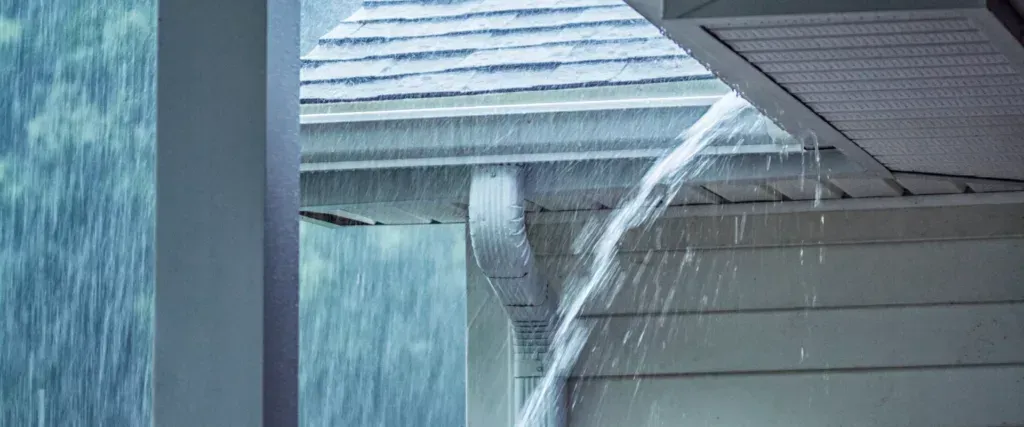
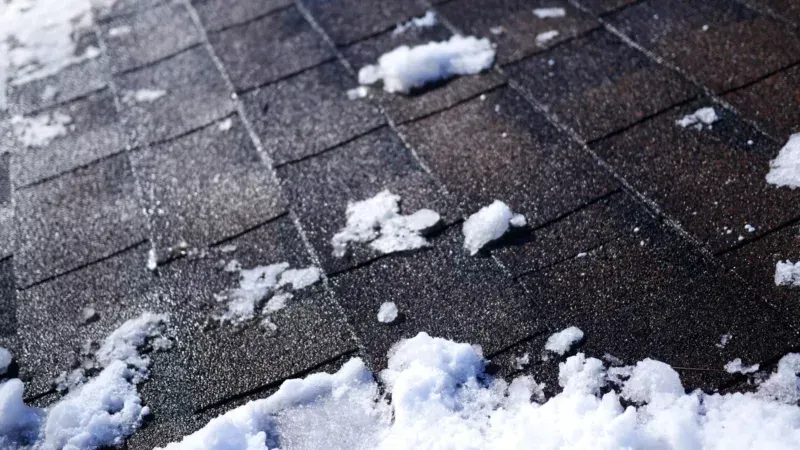
Siding is a home’s first line of defense against wind, rain, snow, and temperature fluctuations. Over time, exposure to the elements can lead to deterioration, making an upgrade essential.
Top Weather-Resistant Siding Options:
- Fiber Cement: Extremely durable, resists moisture, and withstands extreme weather conditions.
- Vinyl Siding: Low-maintenance, resists moisture damage, and is available in insulated versions.
- Engineered Wood: Offers the look of natural wood with added protection against rot and insects.
High-quality siding protects the structural integrity of a home, preventing costly repairs from water damage and mold growth.
4. Reducing Long-Term Maintenance Costs
New siding materials are designed to be more durable and lower-maintenance than older options. Homeowners who invest in high-quality materials can expect fewer repairs and less upkeep over time.
Maintenance Benefits of New Siding:
- Vinyl and Fiber Cement Require Minimal Upkeep: Unlike wood siding, they do not need frequent repainting or staining.
- Moisture and Pest Resistance: Prevents issues such as rotting, warping, and termite damage.
- Power Washing Keeps It Looking New: Most modern siding can be cleaned with a simple rinse and mild detergent.
By choosing durable, low-maintenance materials, homeowners can save thousands of dollars in upkeep costs over the years.
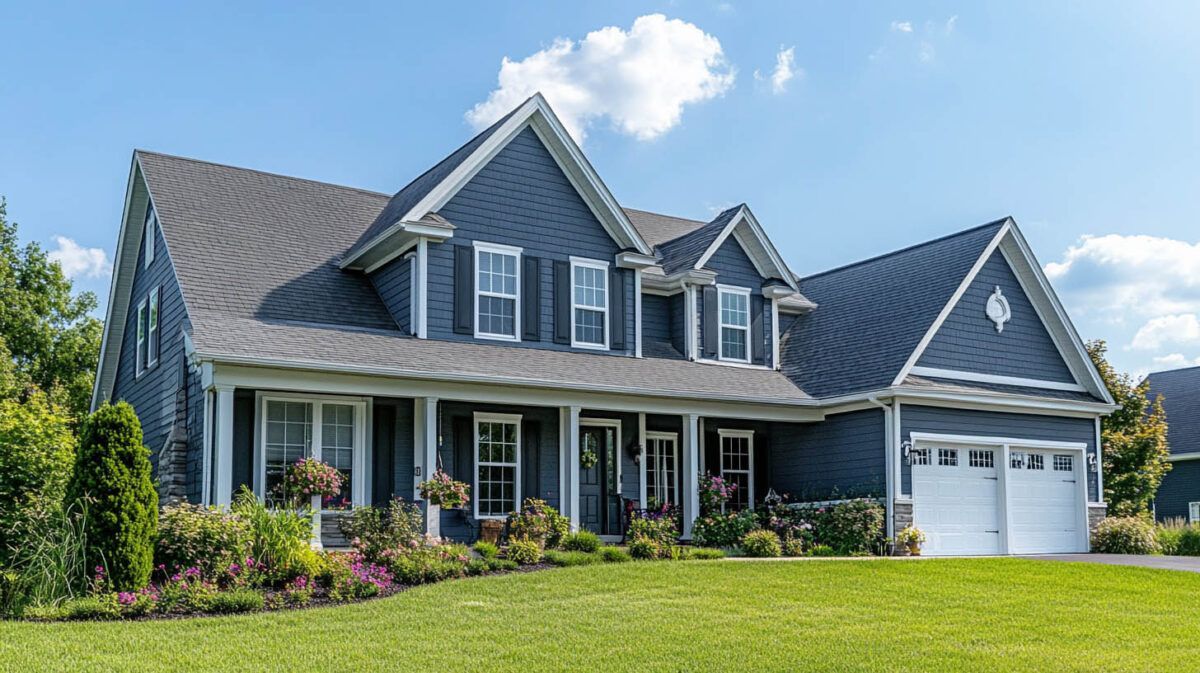
5. Transforming the Look of Your Home
One of the most exciting benefits of new siding is the ability to completely transform a home’s appearance.
Ways New Siding Enhances Curb Appeal:
- Variety of Colors and Textures: Choose from modern, rustic, or traditional finishes to match personal style.
- Updated Architectural Style: Mix materials like stone veneer with fiber cement for a high-end look.
- Improves Overall Aesthetics: A fresh, clean exterior creates a polished and well-maintained appearance.
Many homeowners underestimate how much siding influences the overall character of a house. Choosing the right color and style can elevate the entire neighborhood aesthetic.
Choosing the Right Siding Material
Each siding type offers unique advantages based on budget, climate, and personal preferences.
| Siding Type | Durability | Maintenance | Cost | Best For |
|---|---|---|---|---|
| Vinyl | High | Low | $ | Budget-friendly, low maintenance |
| Fiber Cement | Very High | Low | $$ | Harsh climates, durability seekers |
| Engineered Wood | High | Moderate | $$ | Natural wood appearance lovers |
| Brick Veneer | Very High | Low | $$$ | Traditional, long-lasting homes |
Consulting a professional contractor ensures the best siding choice for durability, efficiency, and aesthetics.
Professional Installation Matters
For optimal performance, siding installation should be handled by experienced professionals. Poor installation can lead to:
- Gaps and misalignment, reducing energy efficiency.
- Moisture infiltration, causing rot and mold issues.
- Premature deterioration, resulting in costly repairs.
180 Contractors Roofing & Siding, located in Waterford, MI, is recognized for top-tier siding installation and repair services. Our team holds industry-leading certifications, ensuring exceptional workmanship and customer satisfaction.
Our Achievements & Certifications:
- BBB A+ Accredited
- Guildmaster Award (GuildQuality)
- INC 5000 Recognition
- Google Guaranteed
- Qualified Remodeler Top 100 Satisfaction
We work with trusted brands like James Hardie, Alside, and Everlast, providing durable, high-quality siding solutions tailored to every homeowner’s needs.
Frequently Asked Questions (FAQs)
1. How long does new siding last?
The lifespan depends on the material used. Vinyl siding lasts 20-40 years, fiber cement up to 50 years, and brick veneer can last a lifetime with proper maintenance.
2. What is the best siding for extreme weather conditions?
Fiber cement and engineered wood siding are excellent choices for harsh climates, as they resist moisture, wind, and impact damage.
3. Can new siding help reduce energy bills?
Yes. Insulated siding options can reduce heat loss by up to 20%, lowering heating and cooling costs year-round.
4. How often does siding need to be replaced?
If siding shows cracks, warping, mold growth, or excessive fading, it may be time for a replacement. Regular inspections help identify issues early.
5. Is professional installation necessary?
Yes. Improper installation can lead to moisture problems, drafts, and structural damage. Hiring a professional ensures correct placement and long-lasting durability.
Conclusion
Investing in new siding enhances a home’s energy efficiency, curb appeal, durability, and resale value. Choosing high-quality materials and expert installation ensures long-term benefits and minimal maintenance.
For professional siding services, homeowners should partner with trusted contractors who offer expertise, quality craftsmanship, and durable products. Whether upgrading for efficiency, protection, or style, new siding is one of the best home improvements a homeowner can make.
Read also our blog: Residential Siding Maintenance: Essential Tips for Longevity and Curb Appeal
GET A FREE QUOTE
We will get back to you as soon as possible.
Please try again later.
Recent Posts