Comparing Wood Siding and Vinyl Siding: Choosing the Best Option for Your Home

180 Contractors • April 6, 2025
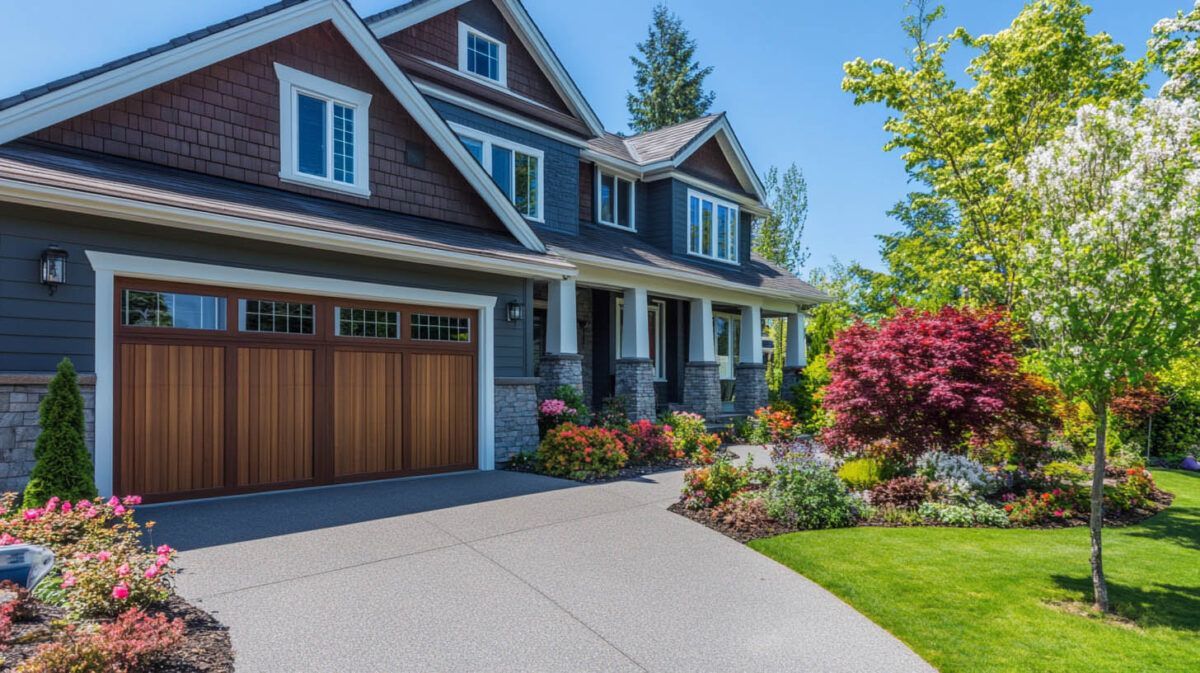
Suburban house with gray siding, wooden garage doors, driveway, and colorful landscaped front yard

Selecting the right siding material is one of the most important decisions for homeowners. It influences not only the appearance of the house but also its durability, maintenance needs, energy efficiency, and overall cost-effectiveness. Among the most popular choices are wood siding and vinyl siding, each offering unique benefits and drawbacks.


This guide provides an in-depth comparison between wood siding vs. vinyl siding, helping homeowners determine the best fit for their property based on climate, aesthetics, maintenance, and budget.


The Appeal of Wood Siding

Natural Beauty and Timeless Charm

Wood siding is highly valued for its authentic and natural appearance, making it a preferred choice for homeowners who appreciate a classic, rustic, or high-end architectural style. Wood can be stained or painted in a wide range of colors, allowing for customization.


Superior Insulation Properties

One of the advantages of wood siding is its natural insulation. It provides better thermal performance compared to some other materials, helping regulate indoor temperatures and reduce heating costs during harsh winters.


Eco-Friendly and Biodegradable

Wood is a renewable resource, and when properly sourced, it has a lower environmental impact compared to synthetic siding materials. Additionally, wood siding is biodegradable, meaning it won’t contribute significantly to landfill waste when it reaches the end of its lifespan.


Customization and Versatility

Wood siding can be milled into different textures, widths, and patterns, allowing for greater design flexibility. Common styles include:

  • Beveled Siding: Also known as clapboard, featuring overlapping horizontal boards.
  • Board and Batten: Vertical siding with a rustic appeal.
  • Shake and Shingle Siding: Hand-cut or machine-cut shingles that offer a more textured, detailed look.


Drawbacks of Wood Siding

While wood siding offers many benefits, it also has some notable disadvantages:

  • High Maintenance: Requires regular painting, staining, and sealing to prevent moisture damage, warping, and insect infestation.
  • Vulnerability to Pests: Termites, carpenter ants, and woodpeckers can cause damage over time.
  • Costly Repairs and Replacement: Damaged sections often need complete replacement, unlike vinyl, where individual panels can be swapped out.
  • Flammability: Unlike fire-resistant siding options, wood is more susceptible to fire hazards unless treated with fire-retardant chemicals.


The Advantages of Vinyl Siding

Cost-Effective and Low Maintenance

Vinyl siding is one of the most affordable siding materials available, making it a budget-friendly option for many homeowners. Unlike wood, vinyl requires minimal upkeep—a simple rinse with a hose once or twice a year is usually sufficient to keep it looking fresh.


Wide Range of Styles and Colors

Modern vinyl siding can mimic the look of wood grain, offering the charm of wood without the maintenance. Available in hundreds of colors, vinyl siding does not require painting, and most manufacturers provide fade-resistant coatings that maintain vibrancy for years.


Durability and Weather Resistance

Vinyl siding is designed to withstand harsh weather conditions, making it an excellent choice for climates with:

  • Heavy rain and moisture (prevents rotting, unlike wood).
  • High winds (impact-resistant options available).
  • Freezing temperatures (expands and contracts without warping).


Energy Efficiency with Insulated Vinyl

For improved energy efficiency, homeowners can opt for insulated vinyl siding, which includes a foam backing that:

  • Reduces thermal bridging, preventing heat loss through the walls.
  • Enhances soundproofing, minimizing outside noise.
  • Provides added impact resistance, making it more durable.


Drawbacks of Vinyl Siding

Despite its advantages, vinyl siding has some limitations:

  • Seams May Be Visible: Unlike wood, which can be installed in long planks, vinyl panels typically come in 12-foot sections, resulting in visible seams.
  • Less Customization: While color options are vast, vinyl cannot be stained or repainted like wood. Once installed, the color remains permanent.
  • Potential for Cracking: Extreme cold temperatures can make vinyl more brittle and prone to cracking upon impact.


Cost Comparison: Wood vs. Vinyl Siding

The cost of siding installation depends on material quality, labor costs, and home size. Below is a cost comparison for both siding types:
Siding Type Average Cost per Square Foot (Installed) Lifespan Maintenance Requirements Energy Efficiency
Wood $8 – $15 20 – 40 years High (painting, sealing) Good (natural insulation)
Vinyl $3 – $8 30 – 50 years Low (occasional cleaning) Excellent (with insulation)

Choosing the Best Siding for Your Home

When to Choose Wood Siding

  • If you prioritize aesthetics and want a high-end, natural appearance.
  • If you are willing to invest in maintenance to preserve its beauty.
  • If you live in an area with mild weather conditions where moisture and pests are not major concerns.


When to Choose Vinyl Siding

  • If you want a cost-effective, low-maintenance option.
  • If you live in an area with harsh weather conditions and need durable, moisture-resistant siding.
  • If you want energy-efficient siding without the need for regular upkeep.


Professional Installation for Lasting Results

Proper siding installation is crucial for durability, weather resistance, and energy efficiency. Poor installation can lead to warping, gaps, and moisture infiltration, which may cause structural damage over time.


180 Contractors Roofing & Siding, located in Rochester Hills, MI, specializes in high-quality wood and vinyl siding installation.


Certifications and Achievements:

  • BBB A+ Accredited
  • Guildmaster Award (GuildQuality)
  • INC 5000 Recognition
  • Google Guaranteed
  • Qualified Remodeler Top 100 Satisfaction


Working with industry-leading brands like James Hardie, Alside, and Everlast, we provide durable, energy-efficient, and stylish siding solutions tailored to homeowners’ needs.


Frequently Asked Questions (FAQs)

1. How long does wood siding last?

Wood siding can last 20-40 years, depending on maintenance and climate conditions. Regular sealing and repainting are essential to prevent moisture damage.


2. Can vinyl siding look like real wood?

Yes. High-quality vinyl siding is manufactured with textured wood grain finishes that closely mimic the appearance of real wood.


3. Is vinyl siding a good choice for cold climates?

Yes. Vinyl siding is designed to withstand freezing temperatures and resists moisture damage, making it ideal for harsh winter climates.


4. What is the most energy-efficient siding?

Insulated vinyl siding provides superior energy efficiency by reducing heat loss through exterior walls, leading to lower energy bills.


5. Can wood siding be painted any color?

Yes. Unlike vinyl, wood siding can be painted or stained in any color, offering more customization options. However, darker colors may fade faster due to sun exposure.


Conclusion

Choosing between wood siding and vinyl siding depends on individual preferences, maintenance capabilities, and climate conditions.


Wood siding offers natural beauty and timeless charm, making it a great choice for luxury homes and historical properties. On the other hand, vinyl siding provides affordability, durability, and minimal upkeep, making it an excellent option for busy homeowners and extreme climates.


For expert siding installation, working with a trusted contractor ensures a flawless, long-lasting finish.


Read also our blog: Vinyl Siding in Michigan: The Best Choice for Durability and Style

GET A FREE QUOTE

Share this article

Recent Posts

Aerial view of a large blue-gray house with dormer windows and a landscaped yard in autumn
By 180 Contractors May 14, 2026
Your roof works silently year after year, shielding your home from rain, wind, sun, and snow. But like every part of your home, it doesn’t last forever. The key is knowing when repair is no longer enough—and a full roof replacement is the smarter, safer move. For homeowners in Bloomfield Hills, MI, where intense season
Rainwater pouring from a house roof and gutter during a storm
By 180 Contractors April 13, 2026
Michigan weather can be tough on homes, especially when it comes to your roof. From heavy snow in the winter to strong thunderstorms in the summer, each season brings conditions that can wear down roofing materials over time. Knowing how these storms affect your roof can help you catch problems early and avoid more ser
Snow piled on a dark shingled roof, with scattered patches of snow across the surface.
By 180 Contractors March 3, 2026
If you’ve lived through a Michigan winter, you know your roof takes a beating. Between heavy snowfall, freezing rain, fluctuating temperatures, and strong winds, winter weather can quietly wear down even a well-built roofing system. By the time spring arrives, many homeowners are surprised to learn that damage has alre