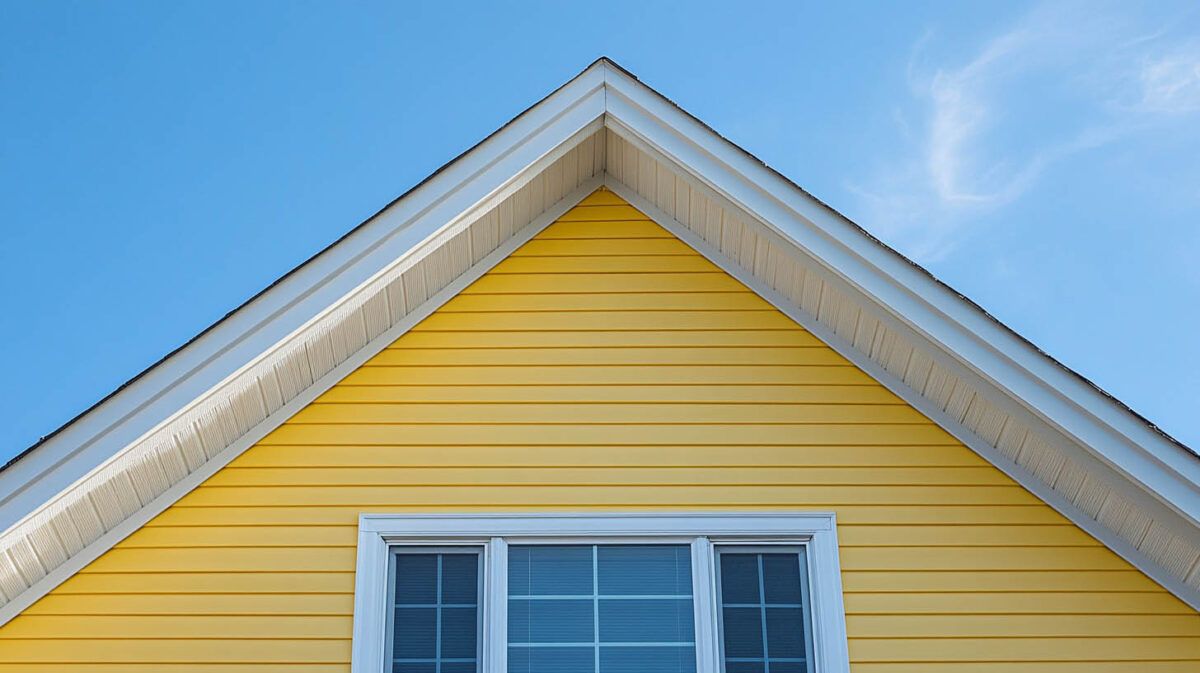
Vinyl siding is a popular choice for homeowners due to its durability, low maintenance, and versatility in design. While it requires less upkeep compared to wood or metal siding, regular cleaning is essential to maintain its appearance and prevent mold, mildew, and dirt buildup. Following proper cleaning techniques ensures that vinyl siding remains in top condition for decades.
General Maintenance Cleaning for Vinyl Siding
Choosing the Right Cleaning Solution
A mild cleaning solution is the best option for maintaining vinyl siding without causing damage. Harsh chemicals or abrasive tools can strip the siding’s protective coating, leading to discoloration and reduced lifespan.
- DIY Cleaning Solution:
Mix one part white vinegar with three parts water for an effective, eco-friendly cleaner.
- Dish Soap Solution:
Combine a few drops of dish soap with warm water to remove grime and stains.
- Commercial Vinyl Siding Cleaners:
If dealing with stubborn stains, use a specialty cleaner designed for vinyl siding. Always check manufacturer guidelines before application.
Cleaning Process
- Start from the Bottom: Work in sections, starting from the bottom and moving upward to prevent streaking.
- Use a Soft-Bristled Brush:
A long-handled brush allows for easy cleaning of large sections. Avoid metal brushes, which can scratch the surface.
- Rinse Thoroughly:
Use a garden hose to rinse away soap residue. Ensure water does not get behind the siding, as trapped moisture can lead to mold growth.
- Buff Out Stains Manually:
For stubborn areas near landscaping or window trim, use a rag or sponge to spot-clean.
Pressure Washing Vinyl Siding
Proper Techniques for Safe Pressure Washing
Pressure washing is a quick and efficient way to clean vinyl siding, but improper use can cause damage. High-pressure streams can force water behind the panels, leading to moisture buildup and structural issues.
- Use Low to Medium Pressure:
1300-1600 PSI is sufficient for vinyl siding.
- Maintain Distance:
Keep at least 3-4 feet between the nozzle and siding.
- Spray at an Angle:
Direct water at a slight downward angle to prevent water infiltration behind the panels.
- Avoid Windows and Trim: High-pressure water can damage caulking and seals.
When to Consider Professional Pressure Washing
If you are inexperienced with pressure washing, hiring a professional ensures a thorough clean without the risk of damage. Professionals use specialized equipment and techniques to remove grime safely.
How Often Should Vinyl Siding Be Cleaned?
Cleaning frequency depends on climate conditions, pollution levels, and exposure to dirt.
- General Cleaning: Every 1-2 years is recommended for most homes.
- Humid Climates:
Homes in high-humidity areas with frequent rainfall should be cleaned annually to prevent mold and mildew growth.
- Homes Near Roads or Industrial Areas: Frequent cleaning may be required to remove pollutants and dust.
- Light vs. Dark Siding Colors: Lighter siding colors hide dirt better, while darker colors show buildup more quickly, requiring more frequent washing.
Removing Common Stains from Vinyl Siding
Mold and Mildew
Mold and mildew thrive in damp, shaded areas. To remove them, mix:
- 1 gallon of water
- 1 quart of bleach
- A few drops of dish soap
Apply the solution with a soft brush, scrub gently, and rinse thoroughly.
Rust Stains
Rust stains often originate from metal fixtures or outdoor furniture. Use a solution of oxalic acid-based cleaner or white vinegar and water to lift rust stains without damaging the siding.
Algae and Pollen Buildup
For algae-covered siding, use a mixture of:
- 1 gallon of water
- 1 cup of oxygen bleach (non-toxic alternative to chlorine bleach)
Apply the solution, let it sit for 10 minutes, then rinse.
What to Do If You Notice Damage on Vinyl Siding
Common Types of Vinyl Siding Damage
- Cracks and Breaks:
Can result from impact, extreme temperature changes, or aging.
- Warping and Buckling: Often caused by improper installation or heat exposure.
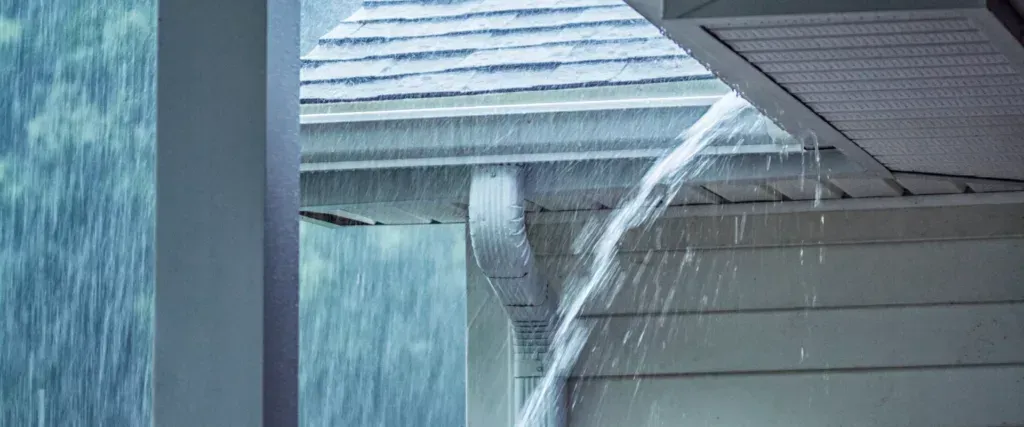
- Loose Panels: Can occur after heavy storms or wind damage.
Repairing Vinyl Siding
Minor damage can often be fixed without replacing the entire section. Individual panels can be removed and replaced to maintain a seamless appearance.
If you suspect hidden moisture damage behind the siding, a professional inspection is recommended. At 180 Contractors Roofing & Siding, located in Rochester Hills, MI, we provide expert siding repair, replacement, and maintenance services. We work with top-quality brands such as James Hardie, Alside, and Everlast, ensuring durable and long-lasting siding solutions. Our team is certified by BBB A+ accreditation, Guildmaster (GuildQuality), INC 5000, Google Guaranteed, and Qualified Remodeler Top 100 Satisfaction.
Frequently Asked Questions
Can I use bleach to clean vinyl siding?
Yes, but it must be diluted. Use one quart of bleach per gallon of water and rinse thoroughly to prevent residue buildup. Avoid using undiluted bleach, as it can cause discoloration.
What is the safest way to remove mold and mildew?
A vinegar-water solution is safe and effective. For tougher mold, diluted bleach or oxygen bleach can be used. Always test on a small area before applying to the entire surface.
Is pressure washing safe for all vinyl siding?
Pressure washing is safe if done correctly. Use low to medium pressure, keep a safe distance, and avoid direct water contact with seams and windows.
How can I prevent dirt buildup on my siding?
Regular rinsing with a garden hose, trimming nearby plants, and keeping gutters clean help reduce dirt accumulation.
Should I clean my siding before repainting it?
Yes, thoroughly cleaning vinyl siding removes dirt and debris, ensuring better paint adhesion and a smooth finish.
Conclusion
Regular vinyl siding maintenance preserves its appearance and extends its lifespan. Whether using a mild cleaning solution or a pressure washer, proper techniques ensure safe and effective cleaning. Homeowners should inspect siding regularly for signs of damage and address issues promptly to prevent costly repairs. Professional inspections and maintenance services provide peace of mind, ensuring a home’s exterior remains in top condition for years to come.
Read also our blog:
The Most Durable Siding Options for Long-Lasting Protection