Advantages and Disadvantages of Vinyl Siding for Your Home

180 Contractors • April 12, 2025
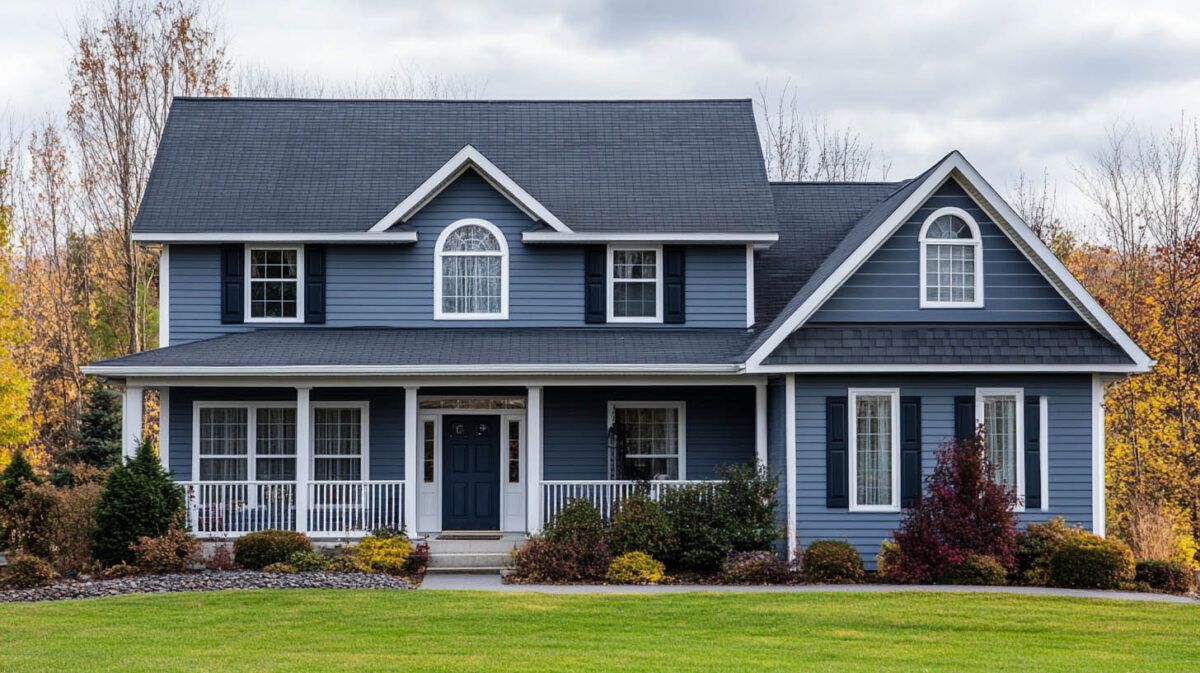
Gray two-story suburban house with white trim, front porch, and manicured lawn in autumn.

Vinyl siding has become one of the most popular choices for homeowners looking for an affordable, low-maintenance, and aesthetically pleasing exterior option. While it offers numerous benefits, it also has some drawbacks that should be considered before making a final decision. Understanding both the advantages and limitations of vinyl siding allows homeowners to make an informed choice that aligns with their budget, climate, and maintenance preferences.


Advantages of Vinyl Siding

Cost-Effective and Budget-Friendly

Vinyl siding is one of the most affordable exterior cladding options available. Compared to wood, fiber cement, and metal siding, vinyl offers a lower initial investment while still providing durability and visual appeal. The cost of vinyl siding typically ranges from $3 to $8 per square foot, including installation, making it an economical choice for homeowners looking to update their exterior without exceeding their budget.


Low Maintenance Requirements

Unlike wood siding, which requires regular staining or painting, vinyl siding is virtually maintenance-free. It does not need to be painted and can be cleaned easily with a garden hose or mild soap solution. Vinyl siding is also resistant to pests, mold, and rot, reducing the need for ongoing upkeep.


Wide Range of Colors and Styles

Vinyl siding comes in a vast selection of colors, textures, and styles. Homeowners can choose from traditional horizontal lap siding, vertical panels, shake, or scalloped designs to complement various architectural styles. Since the color is embedded in the material rather than painted on the surface, it resists fading and chipping over time.


Weather and Moisture Resistance

High-quality vinyl siding is manufactured to withstand extreme weather conditions, including high winds, heavy rain, and fluctuating temperatures. Many vinyl siding products are rated to withstand winds up to 110 mph, ensuring durability in storm-prone areas. Additionally, vinyl does not absorb moisture, preventing issues such as warping, swelling, or mold growth.


Energy Efficiency and Insulation Options

Insulated vinyl siding, which features a layer of foam backing, enhances a home’s thermal efficiency by reducing heat transfer. This improves indoor comfort and lowers energy costs. According to the U.S. Department of Energy, insulated siding can help homeowners save up to 20% on heating and cooling costs by improving the home’s overall insulation.


Disadvantages of Vinyl Siding

Susceptibility to High Winds and Improper Installation Risks

While vinyl siding is designed to resist wind damage, improper installation can lead to panels becoming loose or detached during storms. If siding is not securely fastened, high winds may cause sections to break or lift, requiring repairs or replacement. Hiring a professional installer ensures proper placement and minimizes the risk of damage.


Limited Impact Resistance

Vinyl siding is prone to cracking or denting if struck by objects such as hail, lawn equipment, or debris. Although modern vinyl products are more impact-resistant than older versions, they may still be vulnerable in high-traffic or exposed areas. Choosing thicker vinyl siding (0.044 inches or more) can help reduce the risk of damage.


Aesthetic Limitations for Certain Homes

While vinyl siding is available in a variety of styles, it may not suit every home’s architectural aesthetic. Historic or high-end homes may require more traditional materials such as wood, brick, or fiber cement to maintain their original charm and value.


Heat Sensitivity and Warping Issues

Vinyl siding can warp or melt when exposed to excessive heat, such as from direct sunlight reflection off windows or proximity to outdoor grills. Darker vinyl colors absorb more heat, increasing the risk of warping in hot climates. Proper installation with adequate ventilation and selecting lighter colors can help mitigate this issue.


Environmental Considerations

Vinyl siding is made from polyvinyl chloride (PVC), a plastic material that is not biodegradable. While some manufacturers offer recyclable vinyl siding options, the production and disposal of PVC contribute to environmental concerns. Homeowners looking for eco-friendly alternatives may prefer fiber cement or reclaimed wood siding.


Vinyl Siding vs. Other Siding Materials
Siding Material Cost per Square Foot Lifespan Maintenance Durability Best for Climate
Vinyl $3 – $8 30-60 years Low Moderate (prone to impact damage) Most climates, except extreme heat
Fiber Cement $5 – $12 50+ years Moderate High All climates, fire-prone areas
Wood $7 – $15 20-40 years High (requires staining/painting) Moderate (susceptible to rot/insects) Moderate to dry climates
Metal (Aluminum/Steel) $4 – $12 40-60 years Low to Moderate High (resistant to fire and insects) Coastal and fire-prone areas
Stucco $6 – $9 50-80 years Moderate High (cracks in freeze-thaw cycles) Dry, arid climates

Is Vinyl Siding the Right Choice for Your Home?

Vinyl siding is a practical, cost-effective option for many homeowners. It offers durability, low maintenance, and a wide range of styles. However, it may not be the best fit for every property, especially for homes in extreme heat conditions or those requiring premium exterior finishes. Homeowners should consider factors such as climate, aesthetic preference, and long-term maintenance needs before making a decision.


At 180 Contractors Roofing & Siding, located in Waterford, MI, we provide expert siding installation and repair services tailored to your home’s specific needs. We work with leading brands such as James Hardie, Alside, and Everlast, ensuring high-quality materials and superior craftsmanship. Our industry certifications, including BBB A+ accreditation, Guildmaster (GuildQuality), INC 5000, Google Guaranteed, and Qualified Remodeler Top 100 Satisfaction, reflect our commitment to excellence.


Frequently Asked Questions

Is vinyl siding a good investment for resale value?

Yes, vinyl siding enhances curb appeal and provides a return on investment (ROI) of approximately 68%, making it a smart home improvement choice.


How long does vinyl siding last?

High-quality vinyl siding can last 30 to 60 years, depending on maintenance and exposure to weather conditions.


Can vinyl siding be installed over existing siding?

Yes, in some cases, vinyl siding can be installed over old siding, but it is recommended to remove damaged or deteriorated materials to ensure a secure installation.


What is the best way to maintain vinyl siding?

Regularly clean siding with a garden hose and mild detergent. Avoid using harsh chemicals or abrasive tools that could damage the surface.


How does vinyl siding compare to fiber cement?

Vinyl siding is more affordable and low-maintenance, while fiber cement is more durable and fire-resistant but requires periodic repainting.


Conclusion

Vinyl siding remains one of the most popular exterior materials due to its affordability, versatility, and low maintenance requirements. While it has some limitations, proper installation and regular upkeep ensure long-lasting performance. Homeowners seeking a budget-friendly, durable siding option should consider vinyl, but alternative materials such as fiber cement or wood may be preferable depending on architectural style and climate considerations.


Read also our blog: The Best Methods for Cleaning Vinyl Siding and Maintaining Its Longevity

GET A FREE QUOTE

Share this article

Recent Posts

Aerial view of a large blue-gray house with dormer windows and a landscaped yard in autumn
By 180 Contractors May 14, 2026
Your roof works silently year after year, shielding your home from rain, wind, sun, and snow. But like every part of your home, it doesn’t last forever. The key is knowing when repair is no longer enough—and a full roof replacement is the smarter, safer move. For homeowners in Bloomfield Hills, MI, where intense season
Rainwater pouring from a house roof and gutter during a storm
By 180 Contractors April 13, 2026
Michigan weather can be tough on homes, especially when it comes to your roof. From heavy snow in the winter to strong thunderstorms in the summer, each season brings conditions that can wear down roofing materials over time. Knowing how these storms affect your roof can help you catch problems early and avoid more ser
Snow piled on a dark shingled roof, with scattered patches of snow across the surface.
By 180 Contractors March 3, 2026
If you’ve lived through a Michigan winter, you know your roof takes a beating. Between heavy snowfall, freezing rain, fluctuating temperatures, and strong winds, winter weather can quietly wear down even a well-built roofing system. By the time spring arrives, many homeowners are surprised to learn that damage has alre