The Best Time of Year to Install New Vinyl Siding
When you want to improve your home’s look and protect it, professional vinyl siding installation is one of the best choices. Timing is very important for this project. Picking the right time for your siding work helps it perform well and last longer. This blog will talk about the best time of year to replace your siding. It will consider Michigan’s unique seasons and how the weather can affect vinyl siding. If you are looking for a reliable roofing and siding company in Waterford, MI, consider hiring 180 Contractors Roofing & Siding.
Understanding Michigan’s Seasons for Vinyl Siding Installation
Michigan’s varying seasons significantly impact vinyl siding installation. The extreme temperatures experienced in winter and summer pose challenges for the installation process. Cold temperatures can lead to difficulties in proper adhesion, while hot weather may cause the vinyl panels to warp. Hence, spring and fall emerge as optimal times for new siding installation due to moderate temperatures. These seasons provide the ideal balance for a successful siding project, ensuring the best results for your home improvement venture.
The Impact of Cold and Warm Months
Vinyl siding installation can be affected by extreme temperatures. Cold months may cause challenges due to material contraction, making installation difficult. Homeowners opting for warm months benefit from more flexible siding, easing the process. Balance is crucial to ensure successful completion regardless of the season. Understanding the impact of weather conditions is vital for a smooth home improvement project.
Weather Patterns and Their Influence on Installation
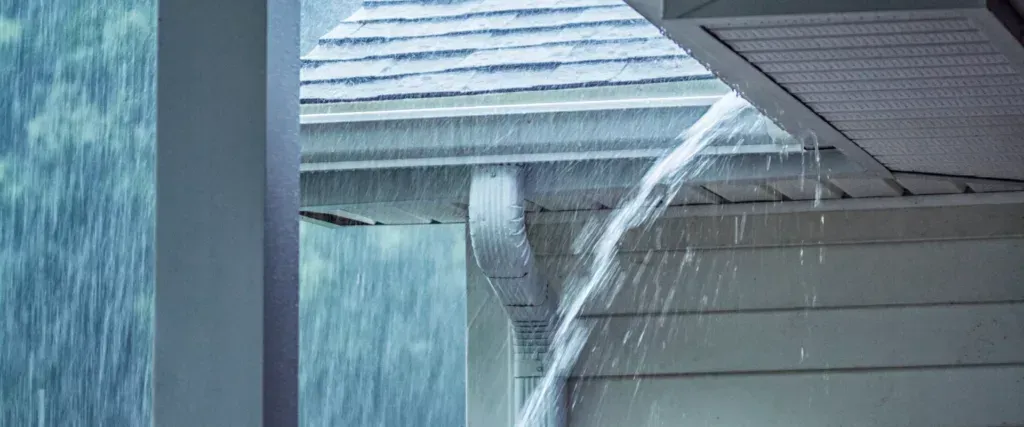
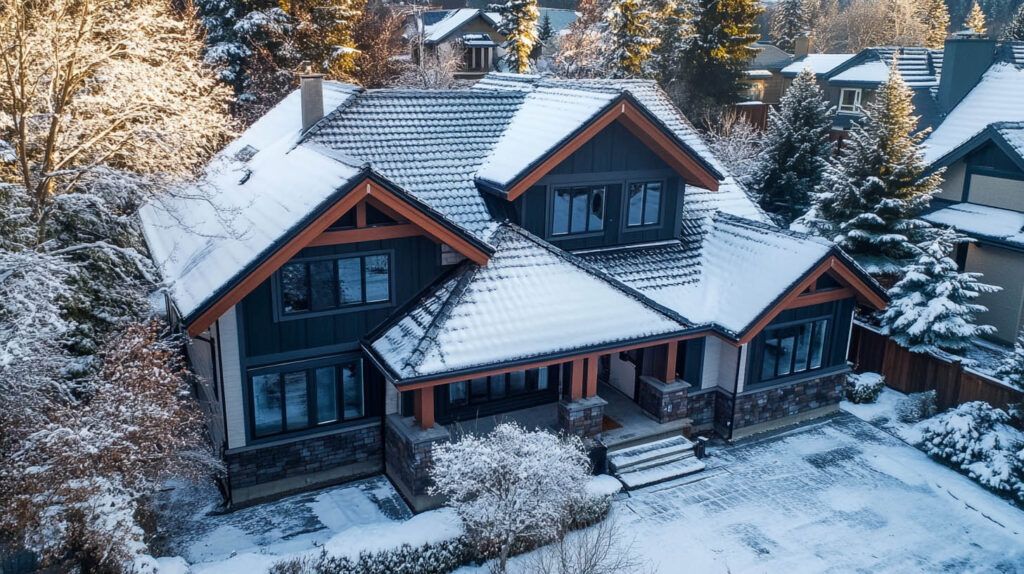
Professionals understand how weather impacts vinyl siding installation. Moderate temperatures during spring and fall are ideal, ensuring optimal conditions for the process. Extreme cold can slow down installation, affecting the siding’s efficacy. Similarly, scorching summer heat poses challenges, potentially warping siding materials. Precipitation and high winds in winter can disrupt the installation timeline. By considering weather patterns, contractors plan installs for when conditions are most favorable.
Why Choose 180 Contractors for Your Siding Needs
Choosing the right contractor is very important when it comes to siding installation. At 180 Contractors, we know how Michigan’s weather affects outside work. Our skilled team provides great service and top-quality work. This makes sure your siding project is a big success.
We use the best siding materials that can handle Michigan’s changing weather. This keeps your home looking nice and protects it well. With us you can have peace of mind knowing that your installation is done by experts.
Our Certifications
180 Contractors takes pride in its reputable certifications, including BBB A+ and Guildmaster. These accolades highlight our commitment to excellence and customer satisfaction. By partnering with industry-leading brands like James Hardie, Alside, and Everlast, we ensure top-notch quality for every project. Our accreditations not only reflect our expertise but also guarantee peace of mind for homeowners seeking reliable and professional contractors. With a focus on superior craftsmanship and service, our certifications signify our dedication to delivering exceptional results.
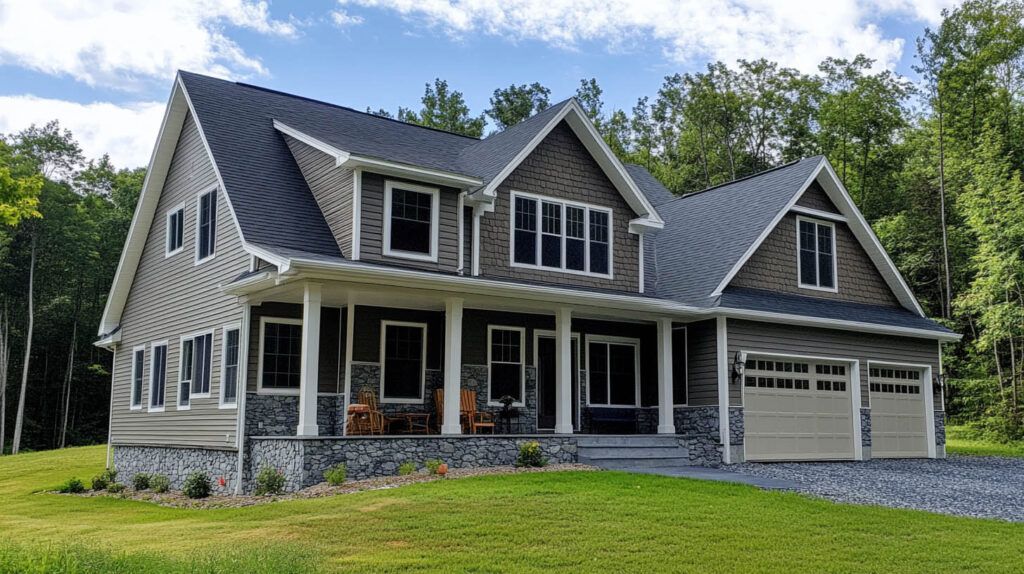
Optimal Timing for Vinyl Siding Installation
Timing is very important when putting up vinyl siding in Michigan. The state often has changing temperatures and rain patterns. Choosing the right time can greatly influence how long your siding lasts and how good it looks. Spring and fall are usually the best times. They have moderate temperatures and drier weather.
These seasons are perfect for vinyl siding installation. The mild temperatures help reduce expansion and contraction problems. Also, spring and fall keep us safe from the harsh summer and winter weather, making it easier and more comfortable for our team to work.
Advantages of Spring and Fall Installations
Spring and fall offer optimal conditions for vinyl siding installation, especially when replacing old siding. These moderate temperatures ensure a smoother installation process compared to extreme heat or cold. During spring, you can address any damage from winter months before the summer heat intensifies. Fall installations prepare your home for the upcoming winter, enhancing energy efficiency and reducing heat loss. These seasons provide ideal weather conditions, avoiding the challenges of summer heat or winter cold. By choosing spring or fall, you can benefit from lower energy bills, improved curb appeal, and increased property value.
Challenges with Winter and Summer Projects
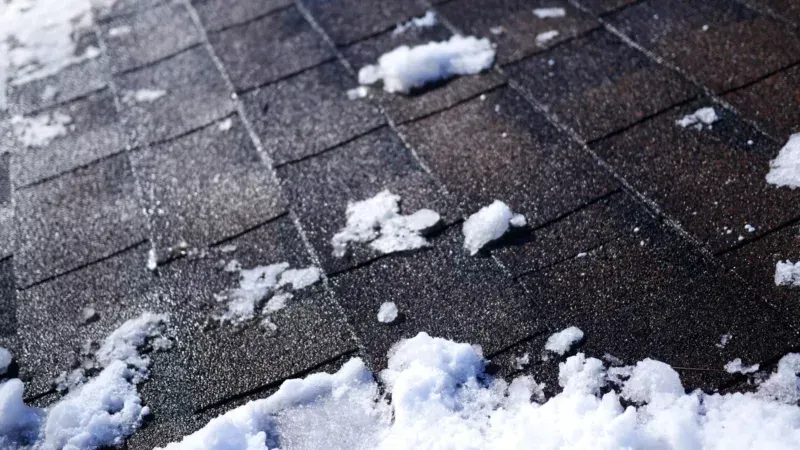
Winter and summer present unique challenges for vinyl siding installation projects. In winter months, extreme cold temperatures can affect the pliability of the siding material, making it brittle and challenging to work with. Additionally, winter conditions like snow and ice may delay the project timeline. On the other hand, summer months bring extreme heat, which can cause vinyl panels to warp or distort during the installation process. High temperatures also make the material more susceptible to damage. Balancing these challenges with the need for optimal conditions is crucial for achieving the best results in your home improvement project.

Preparing for Your Siding Project
Scheduling and booking the best time for your project is crucial for a smooth process. Consider material selection based on seasonal availability to ensure timely completion. By planning during moderate temperatures, you can optimize the installation process and quality. Factor in the type of siding and window casings for a comprehensive home exterior upgrade. Whether in winter or summer months, preparation is key to achieving the desired results. Enhance your home’s curb appeal and energy efficiency by carefully timing your new siding installation. Selecting the right time of year will not only benefit your home’s property value but also provide peace of mind during the project.
Scheduling and Booking the Best Time
Planning the timing for your vinyl siding installation is crucial for a successful outcome. Professional contractors recommend scheduling during moderate temperatures to ensure a smooth installation process. Booking during extreme temperatures, whether cold or hot, can pose challenges and affect the efficiency of the project. To secure the optimal timing, consider late fall for cooler weather or early spring for milder conditions. By planning ahead and choosing the best time of year, you can enhance your home’s curb appeal, energy efficiency, and overall property value. Partner with reputable contractors like 180 Contractors to ensure a seamless experience and peace of mind throughout your project.
Material Selection Based on Seasonal Availability
When selecting different materials for your vinyl siding project, consider seasonal availability for optimal results. In colder months, opt for materials that can withstand harsh conditions such as fiber cement siding, known for its resilience against cold temperatures. During warmer seasons, vinyl panels are a popular choice due to their durability in hot weather. James Hardie siding offers a good balance for various climates, ideal for both extreme heat and cold. It’s crucial to match the material to the season to ensure longevity and efficiency for your home improvement project. By aligning your different materials selection with seasonal demands, you can enhance your home’s exterior while providing the necessary protection against fluctuating weather conditions.
Conclusion
It’s crucial to consider various factors when deciding the best time of year for a vinyl siding installation. Timing plays a significant role in ensuring a successful home improvement project. Opting for moderate temperatures during spring or fall is often regarded as the ideal time for installation, which can enhance the efficiency of the installation process and positively impact your home’s energy efficiency. By partnering with professional contractors like 180 Contractors, who are BBB A+ accredited, Guildmaster (Guildquality) recipients, INC 5000 honorees, Google Guaranteed, and part of Qualified Remodeler’s top 100 satisfaction list, you can elevate your home’s curb appeal, increase its property value, and enjoy peace of mind knowing your project is in expert hands.
Frequently Asked Questions
What time of year is best to replace siding?
The best time of year to replace siding in Michigan is in spring or fall. These seasons have moderate temperatures, making them a good time for installing vinyl siding and other types of siding.
Is siding cheaper in the winter?
While siding contractors might have more free time in the winter months, it is not a good idea to install siding then. It could cancel warranties and harm your home’s sheathing. This can result in higher energy bills.
Learn more about
Is James Hardie siding effective against pests.
GET A FREE QUOTE
We will get back to you as soon as possible.
Please try again later.
Recent Posts