How Long Does It Take to Install New Siding?

Installing new siding is a transformative upgrade that enhances a home’s durability, energy efficiency, and curb appeal. The timeline for siding installation varies depending on several factors, including the size of the home, the type of siding material, weather conditions, and any necessary repairs. A well-planned siding replacement ensures minimal disruption while providing long-term protection for the home.
1. General Timeline for Siding Installation
A standard siding installation takes 4 to 7 days for an average-sized home. However, the total project timeline, including preparation, potential repairs, and finishing touches, can extend to two to three weeks. Homeowners should consider the following stages when planning their siding replacement.
Step-by-Step Installation Process
- Initial Consultation and Planning (1-3 weeks)
- Homeowners meet with contractors to discuss material options and project scope.
- Contractors assess the home’s current condition and provide an estimate.
- Materials are ordered, which can take additional time if custom siding is required.
- Removal of Old Siding (1-2 days)
- The existing siding is carefully removed to inspect the underlying structure.
- Any issues, such as rot, mold, or pest damage, are documented for repairs.
- Structural Repairs (Varies)
- If damage is found, repairs must be completed before new siding installation.
- Wood rot, mold remediation, or insulation upgrades can add several days.
- Siding Installation (4-7 days)
- New siding is installed systematically, ensuring proper alignment and sealing.
- Weather-resistant barriers and insulation are added for extra protection.
- Painting or Sealing (2-3 days, if required)
- Factory-finished siding eliminates the need for painting.
- Unfinished siding may require additional time for priming and painting.
- Final Inspection and Cleanup (1 day)
- Contractors perform a final walkthrough to ensure proper installation.
- The site is cleaned, and homeowners receive care and maintenance instructions.
2. Factors That Affect the Installation Timeline
Several factors influence how long a siding project will take. Understanding these elements helps homeowners set realistic expectations and avoid unnecessary delays.
Home Size and Architectural Complexity
Larger homes or those with intricate designs require more time for installation. Key factors include:
- Square Footage – More surface area requires additional materials and labor.
- Multi-Story Homes – Upper levels need scaffolding or specialized equipment.
- Architectural Details – Homes with dormers, gables, or curved walls take longer to side.
Weather Conditions
Weather significantly affects siding installation. Contractors avoid working in extreme conditions such as:
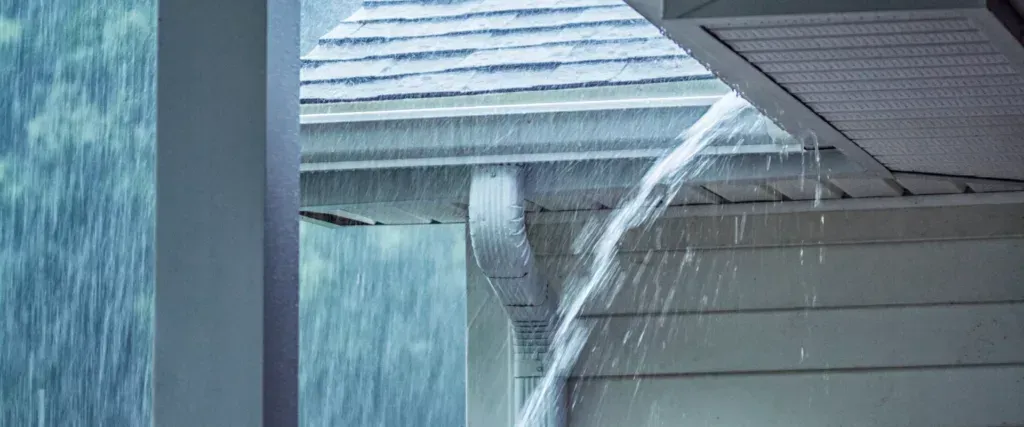
- Heavy Rain or Snow – Moisture can compromise siding adhesion and lead to water damage.
- Extreme Heat – High temperatures can cause materials to expand, affecting alignment.
- Strong Winds – Wind can make it difficult to install panels accurately.
Most contractors schedule installations during spring, summer, or early fall for optimal conditions.
Material Selection
The type of siding material affects installation speed and complexity:
| Siding Material | Installation Time | Key Considerations |
|---|---|---|
| Vinyl | 3-5 days | Lightweight, easy to install, minimal prep required. |
| Fiber Cement | 5-7 days | Heavy material requiring specialized tools and skills. |
| Wood | 5-10 days | Requires sealing, staining, or painting post-installation. |
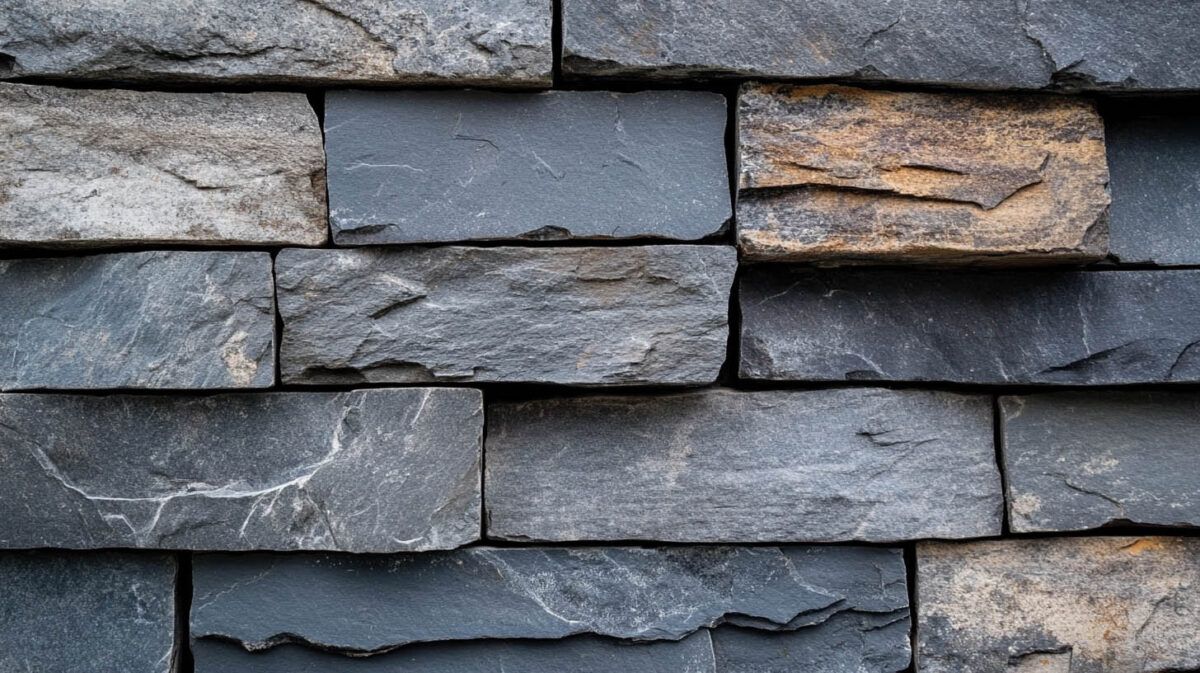
| Brick/Stone Veneer | 2-3 weeks | Labor-intensive, requires masonry expertise. |
Pre-Existing Damage and Repairs
Unforeseen structural issues can extend the timeline. Common issues include:
- Wood Rot – Requires replacing damaged sheathing before new siding is applied.
- Mold and Mildew – Must be fully remediated to prevent health hazards.
- Pest Infestation – Termites and carpenter ants can weaken structural integrity.
- Toxic Materials (Lead Paint, Asbestos) – Older homes may require professional hazardous material removal.
Availability of Materials and Crew
During peak seasons (spring and summer), contractors may have longer wait times due to high demand. Additionally, custom siding orders or specialty materials can take weeks to arrive.
3. Best Practices for a Smooth Siding Installation
Plan Ahead
- Schedule consultations several weeks in advance to secure a spot on the contractor’s calendar.
- Choose siding materials early to allow time for ordering and delivery.
Prepare the Property
- Clear outdoor furniture, decorations, and plants away from the work area.
- Ensure contractors have easy access to power outlets and storage space.
Work with Experienced Professionals
- Hiring skilled contractors ensures faster, higher-quality installations.
- Look for licensed, insured professionals with experience installing the selected siding type.
For homeowners in Rochester Hills, MI, 180 Contractors Roofing & Siding provides expert siding installation backed by industry-leading certifications and high-quality craftsmanship.
Our Certifications:
- BBB A+ Accredited – Recognized for excellence in service.
- Guildmaster (GuildQuality) – Rated among the top remodeling companies.
- INC 5000 – Ranked as one of the fastest-growing companies.
- Google Guaranteed – Verified for customer satisfaction.
- Qualified Remodeler Top 100 Satisfaction – Recognized for exceptional client service.
Our Trusted Brands:
- James Hardie – Leading fiber cement siding brand.
- Alside – High-performance vinyl siding options.
- Everlast – Durable, low-maintenance siding solutions.
4. Frequently Asked Questions (FAQs)
1. Can I stay in my home during siding installation?
Yes, but expect noise, vibrations, and minor disruptions. Some homeowners choose to stay elsewhere during installation for comfort.
2. How do I know if my home needs siding replacement?
Signs include warping, cracking, mold growth, high energy bills, or visible water damage beneath old siding.
3. Can siding be installed during winter?
Yes, but extreme cold can affect material flexibility, making installation more challenging. Spring through fall is ideal for siding projects.
4. Do I need a permit for siding installation?
Permit requirements vary by location. Reputable contractors handle necessary permits as part of the project.
5. How much does new siding installation cost?
Costs depend on material type, home size, and labor. Vinyl siding is more affordable, while fiber cement and stone veneer are premium options.
Conclusion
Siding installation timelines depend on multiple factors, including home size, material selection, weather conditions, and necessary repairs. While a standard installation takes 4-7 days, additional preparation, inspections, and finishing work may extend the project to 2-3 weeks. Planning ahead, working with experienced professionals, and choosing durable materials ensure a seamless process and long-lasting results.
Read also our blog:
The Environmental Benefits of Choosing Fiber Cement Siding

GET A FREE QUOTE
We will get back to you as soon as possible.
Please try again later.
Recent Posts