The Environmental Benefits of Choosing Fiber Cement Siding
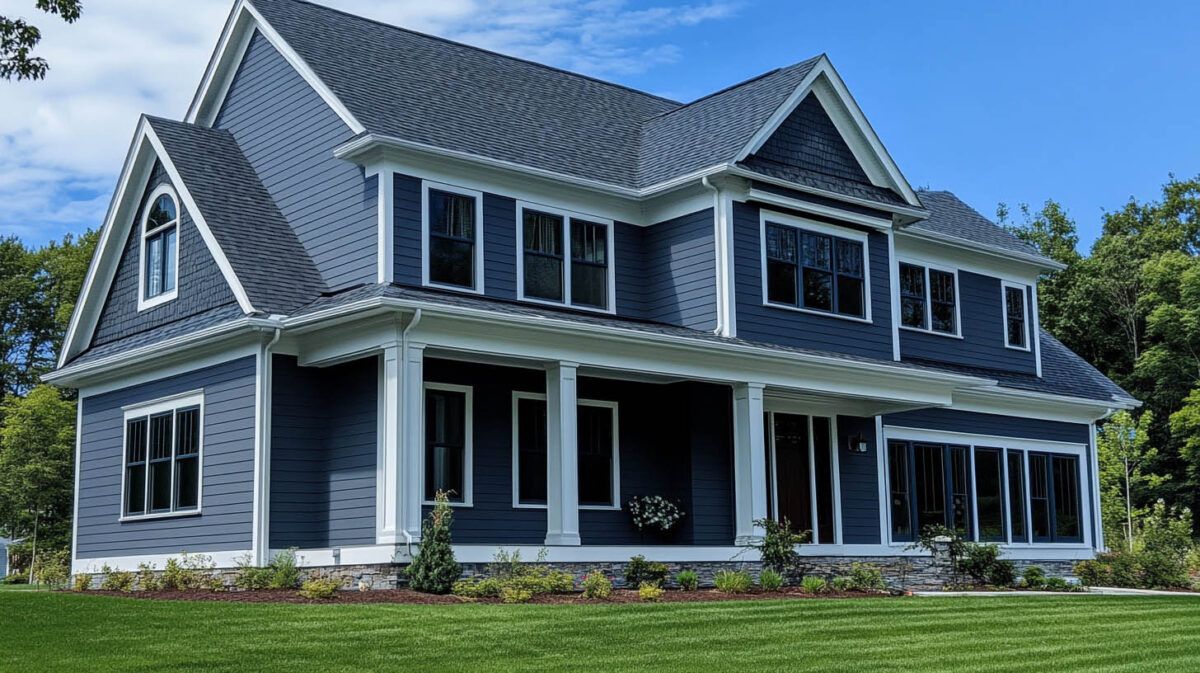
Siding is more than just an exterior covering—it plays a vital role in protecting homes while influencing energy efficiency and environmental impact. Fiber cement siding stands out as one of the most eco-friendly choices available today, offering long-lasting durability, sustainable production methods, and minimal maintenance requirements. Below, we explore the environmental advantages of fiber cement siding and why it remains a superior option for homeowners looking to make an environmentally responsible decision.
1. Sustainable Raw Materials Reduce Environmental Impact
The materials used in construction significantly affect sustainability. Fiber cement siding is composed of a proprietary blend of natural, renewable resources that limit reliance on non-renewable materials.
Composition of Fiber Cement Siding:
- Portland Cement – A durable, weather-resistant material made from limestone.
- Cellulose Fibers – Derived from natural wood pulp, providing flexibility and strength.
- Sand and Silica – A common, abundant resource that enhances durability.
- Water – Used in the mixing process to bind materials together.
Unlike traditional wood siding, fiber cement does not contribute to deforestation. Harvesting trees for siding materials results in habitat loss and increased carbon emissions, whereas fiber cement utilizes more sustainable alternatives, minimizing its environmental footprint.
2. Eco-Friendly Manufacturing Processes
Leading manufacturers of fiber cement siding have adopted eco-conscious production techniques that focus on reducing energy consumption, minimizing waste, and decreasing harmful emissions.
Energy Efficiency in Production
- Lower Carbon Footprint – Unlike vinyl siding, which is derived from petroleum-based materials, fiber cement is made without fossil fuel dependence.
- Waste Reduction – Advanced manufacturing techniques recycle unused materials back into production, reducing landfill waste.
- Water Conservation – Many manufacturers have implemented closed-loop water systems, which significantly reduce water waste during production.
Fewer Harmful Emissions
- No Volatile Organic Compounds (VOCs) – Unlike some siding materials, fiber cement does not emit toxic VOCs, which can contribute to poor air quality and respiratory issues.
- Low Environmental Toxins – The absence of plastics and chemicals in fiber cement production prevents harmful environmental contamination.
3. Exceptional Durability Reduces Waste
One of the most significant environmental benefits of fiber cement siding is its longevity. Many traditional siding materials, such as wood and vinyl, degrade over time, requiring frequent replacements and contributing to construction waste.
Fiber Cement vs. Other Siding Materials
| Siding Material | Average Lifespan | Maintenance Requirements | Environmental Impact |
|---|---|---|---|
| Fiber Cement | 30-50 years | Low maintenance | Sustainable, minimal waste |
| Vinyl | 20-30 years | Prone to cracking & fading | Made from fossil fuels, high waste |
| Wood | 15-25 years | Susceptible to rot & termites | Contributes to deforestation |
Fiber cement siding’s resistance to weather, pests, and UV rays ensures it lasts decades without the need for frequent replacements. As a result, it contributes far less waste to landfills than other materials, making it a more sustainable option.
4. Energy Efficiency and Insulation Benefits
A home’s exterior plays a crucial role in maintaining energy efficiency. Fiber cement siding provides an additional insulation layer, helping to reduce energy consumption and lower utility bills.
How Fiber Cement Siding Enhances Energy Efficiency
- Temperature Regulation – Keeps homes cooler in summer and warmer in winter by reducing thermal bridging.
- Reflective Properties – Some fiber cement options feature heat-reflective coatings that minimize heat absorption, reducing air conditioning usage.
- Compatible with Insulation – Can be paired with additional insulation layers to further enhance efficiency.
Homes with fiber cement siding often experience reduced energy usage, leading to a lower carbon footprint and cost savings over time.
5. Minimal Maintenance Reduces Chemical Usage
Regular maintenance of traditional siding materials often requires harsh chemicals, sealants, and frequent repainting—all of which can be detrimental to the environment. Fiber cement siding, however, is designed to withstand weather conditions with minimal upkeep.
Benefits of Low-Maintenance Fiber Cement Siding
- Does Not Require Frequent Painting – Factory-applied finishes last significantly longer than standard paint applications, reducing repainting needs.
- Resistant to Mold and Mildew – Eliminates the need for chemical treatments often required for wood siding.
- Pest-Resistant – Prevents termite damage without toxic pesticides.
Fewer chemical treatments mean less contamination in the air, soil, and water, making fiber cement siding an environmentally responsible choice.
6. Reduced Landfill Waste with Recycling Programs
Many manufacturers have introduced recycling programs that repurpose fiber cement waste into new products. This initiative significantly reduces the amount of construction debris sent to landfills.
Waste Reduction Initiatives
- Recycling of Trim Cuttings – Excess material from installations is collected and repurposed.
- Reclaimed Fiber Cement – Old fiber cement boards can be processed into new siding materials, minimizing environmental waste.
- Extended Product Life – Because fiber cement lasts decades, homeowners generate less waste from replacements.
Choosing fiber cement siding contributes to a circular economy, where materials are continuously repurposed rather than discarded.
Partnering with a Certified Siding Contractor
Selecting the right contractor ensures fiber cement siding is installed correctly, maximizing its durability and environmental benefits.
For homeowners in Troy, MI, 180 Contractors Roofing & Siding offers expert installation services backed by industry certifications and high-quality craftsmanship.
Our Certifications:
- BBB A+ Accredited – Recognized for exceptional service and reliability.
- Guildmaster (GuildQuality) – Rated among the top home improvement contractors.
- INC 5000 – Ranked as one of the fastest-growing companies.
- Google Guaranteed – Verified for superior service and customer satisfaction.
- Qualified Remodeler Top 100 Satisfaction – Recognized for high client satisfaction.
Our Trusted Brands:
- James Hardie – Industry leader in fiber cement siding.
- Alside – Innovative and energy-efficient siding solutions.
- Everlast – Premium, long-lasting siding products.
Frequently Asked Questions (FAQs)
1. How is fiber cement siding more environmentally friendly than vinyl siding?
Fiber cement is made from natural materials, does not emit VOCs, and does not rely on petroleum-based production, making it a more sustainable choice than vinyl.
2. Does fiber cement siding contribute to deforestation?
No. Unlike wood siding, fiber cement does not require tree harvesting, reducing the environmental impact of deforestation.
3. How long does fiber cement siding last?
Properly installed fiber cement siding can last between 30-50 years, significantly outlasting traditional materials like wood and vinyl.
4. Can fiber cement siding be recycled?
Yes. Many manufacturers have take-back programs that recycle fiber cement waste into new products, reducing landfill waste.
5. Does fiber cement siding help with home insulation?
Yes. Fiber cement siding provides an extra insulation layer that enhances energy efficiency and reduces heating and cooling costs.
Conclusion
Fiber cement siding is an environmentally responsible choice that offers durability, energy efficiency, and sustainability. Its long lifespan, eco-friendly manufacturing process, and minimal maintenance requirements make it one of the best options for homeowners seeking an environmentally conscious home improvement solution. By choosing fiber cement siding, homeowners not only enhance their home’s protection and beauty but also contribute to a healthier planet.
Read also our blog:
How Siding Protects and Enhances Your Home
GET A FREE QUOTE
We will get back to you as soon as possible.
Please try again later.
Recent Posts