The Most Popular Trends in Siding Installation and How They Impact Your Home
The Growing Popularity of Modern Siding Options
Siding installation has evolved beyond mere functionality into an essential component of home design. Today, homeowners have access to a variety of materials, colors, and styles that not only protect their homes but also enhance their curb appeal and increase property value. The latest trends in siding installation reflect a shift toward energy efficiency, bold aesthetics, and durability.
Neutral Colors Continue to Dominate the Market
Neutral siding colors remain the top choice for homeowners looking to maintain a timeless appearance. According to a national survey conducted by The Harris Poll, off-white and cream were the most preferred siding colors for 2025, with white, light brown, and light gray following closely behind. These neutral tones provide versatility, complement a wide range of architectural styles, and offer long-term appeal without looking dated.
Homeowners choosing neutral siding benefit from:
- A higher resale value, as neutral tones appeal to a broader audience.
- The flexibility to update exterior design elements, such as doors and shutters, without clashing.
- A classic, understated aesthetic that blends well with natural surroundings.
The Rise of Dark Siding with Contrasting Trim
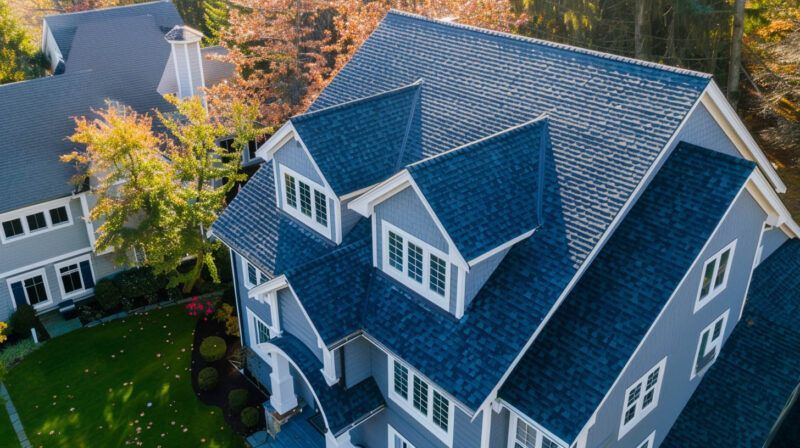
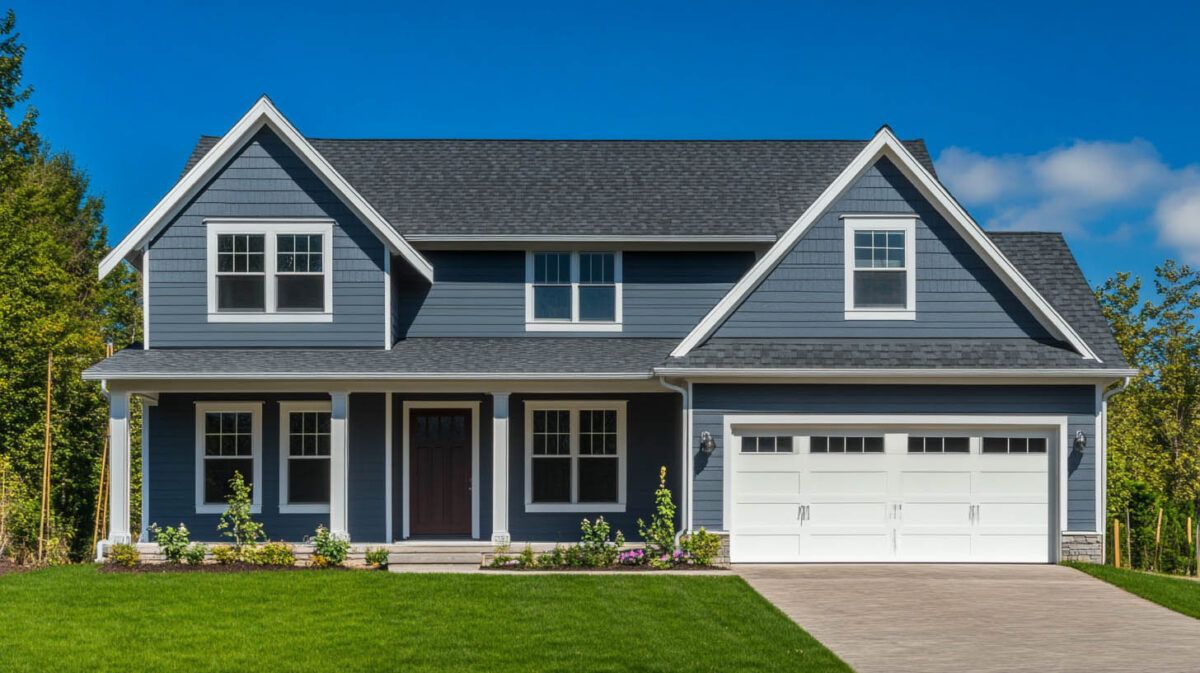
Newly constructed homes increasingly feature dark siding paired with black trim on windows and doors. Deep charcoal, navy blue, and forest green siding are gaining popularity for their striking appearance and ability to make homes stand out. Dark siding provides a bold contrast against natural landscapes and complements contemporary architectural styles.
When choosing dark siding, homeowners should consider:
- Heat absorption – Dark colors can retain more heat, which may affect energy efficiency in warmer climates.
- Maintenance requirements – While dark siding hides dirt better, it may show fading more quickly than lighter tones.
- Architectural compatibility – Modern and farmhouse-style homes benefit most from dark siding, whereas traditional homes may look best with lighter shades.
The Growing Demand for Textured and Wood-Look Siding
Textured siding has become increasingly popular as homeowners seek alternatives to traditional smooth vinyl. Modern fiber cement and engineered wood siding options offer the look of natural wood grain while providing superior durability and low maintenance.
Wood-look siding trends include:
- Cedar shake-style panels for a rustic aesthetic.
- Board-and-batten vertical siding, which adds dimension and a farmhouse-inspired look.
- Composite wood siding, which mimics real wood but resists moisture, pests, and decay.
The Shift Toward Energy-Efficient Siding Solutions
Insulated siding has become a top choice for homeowners looking to improve their home’s energy efficiency. By incorporating foam insulation into vinyl or fiber cement panels, insulated siding reduces thermal bridging and lowers heating and cooling costs.
The benefits of insulated siding include:
- Better temperature regulation inside the home.
- Lower utility bills due to improved insulation.
- Enhanced noise reduction, making homes quieter.
According to the U.S. Department of Energy, upgrading to insulated siding reduces energy loss, making it an investment that pays for itself over time.
The Influence of Architectural Styles on Siding Choices
The type of home significantly influences which siding materials and colors work best. Each architectural style benefits from different siding choices:
- Traditional Colonial Homes – Classic lap siding in neutral tones such as beige, white, or light gray.
- Modern Farmhouse – Board-and-batten siding in white or cream with black trim.
- Contemporary Homes – Dark siding with contrasting accents, often in metal or fiber cement.
- Victorian Homes – Multi-colored siding in soft pastels or historic hues, paired with decorative trim.
Understanding how siding complements different architectural designs ensures that homeowners make choices that enhance both style and functionality.
How New Siding Increases Home Value
Siding replacement is one of the highest-return home improvement projects. According to the 2023 Remodeling Cost vs. Value Report, new vinyl siding can increase home value by $15,490 on average, making it one of the most cost-effective exterior upgrades.
Investing in high-quality siding benefits homeowners by:
- Boosting curb appeal and making a home more attractive to buyers.
- Improving energy efficiency, leading to reduced heating and cooling costs.
- Extending durability, with modern materials lasting 30+ years with minimal maintenance.
Choosing the Right Siding Material for Long-Term Performance
Vinyl Siding
Vinyl siding remains the most affordable and low-maintenance option. It is available in a variety of colors and finishes, including wood-grain textures. While it requires occasional cleaning, it resists moisture damage and never needs repainting.
Fiber Cement Siding
Fiber cement siding offers superior durability and fire resistance. It mimics wood but withstands extreme weather conditions without warping or rotting. This option is ideal for homeowners who want the look of wood without high maintenance.
Engineered Wood Siding
Engineered wood provides the aesthetic appeal of natural wood with enhanced durability. It is treated to resist pests, moisture, and decay, making it a long-lasting alternative to traditional wood siding.
Metal Siding
Aluminum and steel siding are popular in modern home designs due to their sleek appearance and weather resistance. Metal siding is also eco-friendly, as many manufacturers use recycled materials in production.
Professional Siding Installation for Maximum Durability
For homeowners in Rochester Hills, MI, 180 Contractors Roofing & Siding provides expert siding installation services. With certifications including BBB A+ accreditation, Guildmaster (GuildQuality), INC 5000, Google Guaranteed, and Qualified Remodeler Top 100 Satisfaction, we ensure high-quality craftsmanship. We partner with industry-leading brands such as James Hardie, Alside, and Everlast to offer durable, stylish, and energy-efficient siding solutions.
Frequently Asked Questions
What is the most popular siding color for 2025?
Neutral shades such as off-white, cream, and light gray continue to dominate, as they provide timeless appeal and complement various home styles. Dark siding options like charcoal and navy blue are also growing in popularity.
Does siding color affect home value?
Yes. Neutral colors tend to increase home value more than bold or unconventional shades, as they appeal to a wider range of buyers. New siding can yield a return on investment of up to 82%, making it a smart financial decision.
How do I choose the right siding material for my home?
Consider factors such as climate, maintenance requirements, and aesthetic preferences. Vinyl is affordable and low-maintenance, fiber cement is durable and weather-resistant, and engineered wood provides a natural look with added longevity.
Can new siding improve my home’s energy efficiency?
Yes. Insulated siding reduces heat transfer, keeping indoor temperatures stable and lowering energy costs. Homes with insulated siding can see energy savings of up to 20%.
How much does siding replacement cost?
The cost depends on material and home size. Vinyl siding installation typically ranges from $6,000 to $16,000, while fiber cement siding can cost between $10,000 and $25,000.
Conclusion
The latest siding trends emphasize durability, energy efficiency, and aesthetic appeal. Whether opting for neutral tones, bold dark siding, or textured finishes, homeowners can enhance their property’s value and curb appeal with the right siding choice. Professional installation ensures long-lasting performance, making siding replacement a worthwhile investment for any home.
Read also our blog:
Why Installing New Siding Is One of the Best Investments for Your Home
GET A FREE QUOTE
We will get back to you as soon as possible.
Please try again later.
Recent Posts