Enhancing Your Home with Durable, High-Performance Siding
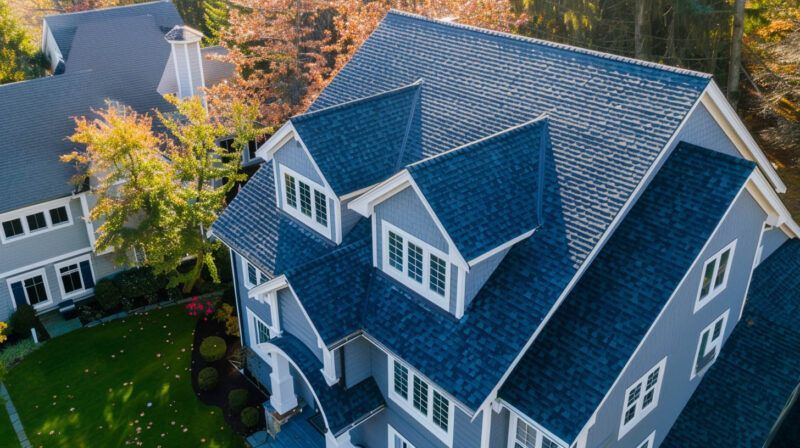
Siding is one of the most critical components of a home’s exterior, serving as both a protective shield and an aesthetic feature. Over time, weather exposure, age, and external damage can compromise its functionality, leading to decreased energy efficiency, increased maintenance, and diminished curb appeal. Replacing outdated siding with modern, high-quality materials not only revitalizes the home’s exterior but also provides long-term cost savings and protection.
Key Advantages of Installing New Siding
Boosting Curb Appeal and Property Value
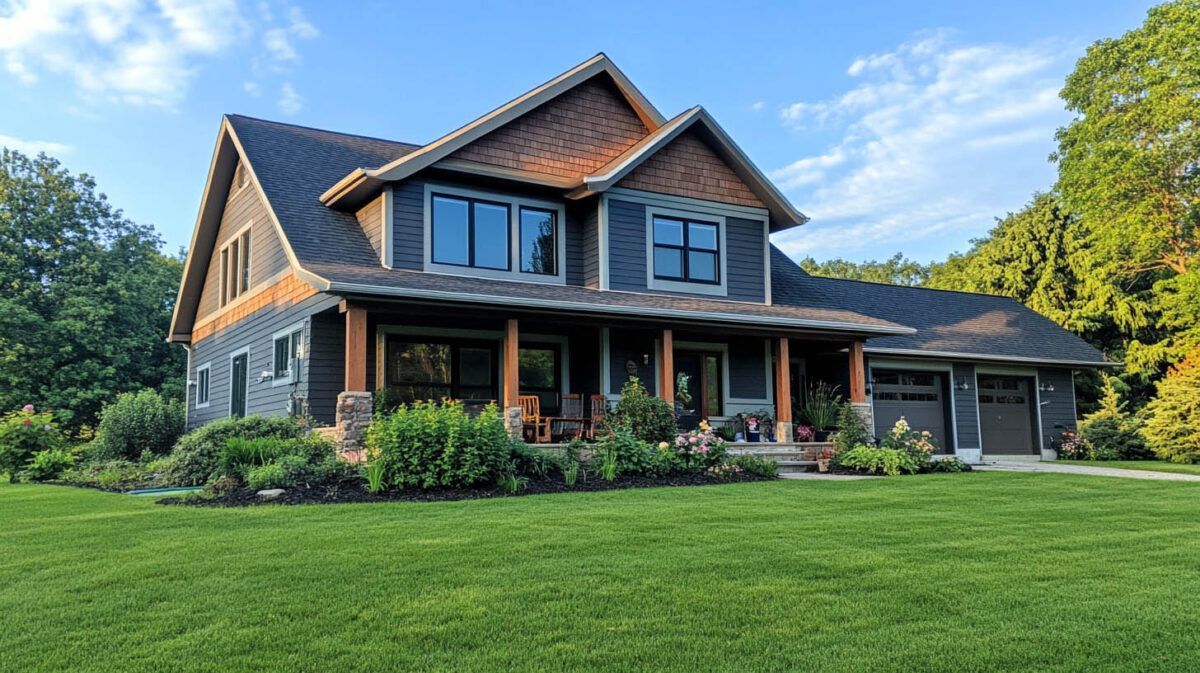
A home’s siding significantly impacts its overall appearance. Whether due to fading, chipping, or warping, old siding can make a property look outdated and poorly maintained. Installing new siding provides a fresh, polished look that enhances curb appeal and increases property value.
Real estate studies show that homes with modern siding upgrades can yield up to a 75% return on investment (ROI) when sold. Buyers are often willing to pay more for homes that require less immediate maintenance, making high-quality siding a smart investment.
Improved Energy Efficiency and Lower Utility Costs
New siding materials, particularly insulated vinyl and fiber cement options, enhance a home’s ability to retain heat in winter and keep interiors cool in summer. Older siding that has deteriorated may develop cracks and separations, allowing drafts to enter and forcing HVAC systems to work harder. By installing energy-efficient siding, homeowners can see a 10% to 20% reduction in heating and cooling costs.
Reduced Maintenance and Longevity
Traditional wood siding requires frequent repainting and sealing to prevent moisture absorption and decay. In contrast, modern vinyl and fiber cement siding options are designed to withstand harsh weather conditions, pests, and UV exposure with minimal upkeep. Many high-quality siding materials come with warranties of up to 50 years, ensuring long-term performance with little maintenance required.
Protection Against Harsh Weather and Environmental Damage
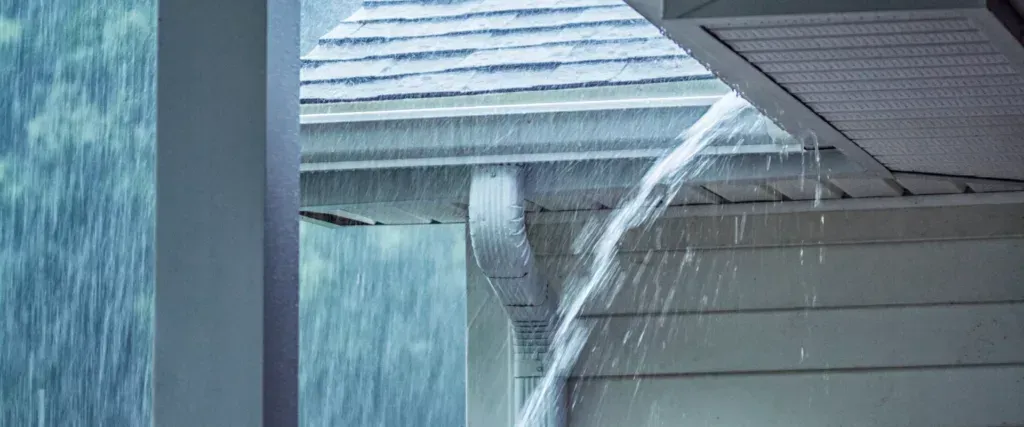
Siding acts as a barrier against rain, snow, wind, and extreme temperatures. In regions with fluctuating seasonal climates, siding must withstand expansion and contraction without cracking or warping. Materials like James Hardie fiber cement siding are engineered to resist water damage, fire, and impact from hail or debris, providing superior durability compared to traditional wood or aluminum siding.
Choosing the Best Siding Material for Your Home
Vinyl Siding: Affordable and Versatile
Vinyl siding is one of the most popular choices for homeowners due to its affordability, durability, and low maintenance. Available in a wide range of colors and textures, vinyl provides a cost-effective solution without sacrificing aesthetic appeal.
- Pros:
Low cost, weather-resistant, minimal maintenance
- Cons: Less impact-resistant than fiber cement, can fade over time
Fiber Cement Siding: Long-Lasting and Resilient
Fiber cement siding, such as James Hardie siding, is a premium option known for its exceptional durability and resistance to fire, pests, and moisture. This material closely mimics the appearance of wood but without the susceptibility to rot or termites.
- Pros: Extremely durable, resistant to fire and insects, long lifespan
- Cons: Higher upfront cost, requires professional installation
Engineered Wood Siding: Aesthetic Appeal with Added Durability
Engineered wood siding offers the classic look of natural wood with added durability. Treated with protective resins, this material resists moisture and pests while providing a rich, authentic wood-grain finish.
- Pros:
Natural wood appearance, lightweight, enhanced durability
- Cons: Requires occasional maintenance, may be more expensive than vinyl
Metal Siding: Modern and Energy-Efficient
Aluminum and steel siding options provide modern aesthetics and high durability. Metal siding reflects heat, making it a great choice for energy efficiency, particularly in warmer climates.
- Pros: Fire-resistant, energy-efficient, low maintenance
- Cons:
Prone to dents and scratches, can be noisy during storms
Steps to a Successful Siding Installation
- Assess Current Siding Condition –
Conduct a thorough inspection to identify damage, mold growth, or insulation gaps.
- Choose the Right Material – Select a siding option that fits budget, climate, and long-term durability needs.
- Prepare the Home Exterior – Remove old siding and inspect underlying structures for necessary repairs.
- Install Insulation and Weather Barriers –
Adding insulation under new siding enhances energy efficiency and moisture protection.
- Secure and Seal New Siding –
Professional installation ensures proper alignment, weatherproofing, and structural integrity.
- Final Inspection and Cleanup – A final review ensures quality craftsmanship and compliance with industry standards.
Work with a Trusted Siding Expert
For homeowners in Waterford, MI, 180 Contractors Roofing & Siding offers expert siding installation services. We are BBB A+ accredited, Guildmaster (GuildQuality) certified, INC 5000 recognized, Google Guaranteed, and ranked in the Qualified Remodeler Top 100 for customer satisfaction. Our partnerships with industry leaders like James Hardie, Alside, and Everlast allow us to provide top-tier siding materials that ensure lasting durability and curb appeal.
Frequently Asked Questions
How long does siding installation take?
The timeline depends on home size and material selection, but most projects take 5-7 days from start to finish.
How do I know when my siding needs replacement?
Signs include visible cracks, warping, mold growth, high energy bills, and fading color. If your siding is over 20 years old, an inspection is recommended.
What is the best siding material for durability?
Fiber cement siding offers the longest lifespan and highest resistance to weather, fire, and pests. Vinyl siding is a more budget-friendly alternative with solid durability.
Can I install siding over my existing siding?
In some cases, new siding can be installed over existing siding if the underlying structure is intact. However, a professional inspection is required to determine the best approach.
Does new siding increase home value?
Yes, high-quality siding can improve curb appeal and offer an ROI of up to 75%, making it a worthwhile investment for homeowners planning to sell in the future.
Conclusion
Installing new siding is one of the most effective ways to improve a home’s aesthetic appeal, energy efficiency, and structural integrity. With a variety of material options available, homeowners can choose siding that meets their specific climate, budget, and maintenance preferences. A professional siding installation ensures long-lasting performance, protection, and value, making it a smart investment for any home.
Read also our blog:
Signs Your Home’s Siding Needs Replacement