Vinyl siding is one of the most durable and low-maintenance exterior materials available. However, over time, dirt, mold, mildew, and environmental pollutants can accumulate, diminishing its appearance. Proper cleaning techniques not only restore vinyl siding’s original look but also extend its lifespan.
Best Methods for Cleaning Vinyl Siding
Regular maintenance prevents discoloration, algae growth, and stubborn stains. Cleaning methods vary depending on the level of buildup and environmental factors.
Routine Cleaning with Soap and Water
A mild detergent solution is often sufficient for general maintenance. This method removes light dirt, dust, and pollen.
Materials Needed
- Bucket of warm water
- Mild dish soap or white vinegar
- Soft-bristle brush or microfiber cloth
- Garden hose
Step-by-Step Process
- Mix a solution of one part white vinegar to three parts water or use a mild dish detergent.
- Apply the solution to the siding using a soft-bristle brush or cloth.
- Scrub in gentle, circular motions, working from the bottom up to prevent streaks.
- Rinse with a garden hose, ensuring all soap residue is removed.
Using a Pressure Washer Safely
Pressure washing can be an effective way to clean vinyl siding, but incorrect techniques may cause damage.
Safe Pressure Washing Guidelines
- Use a low-pressure setting (1,300 to 1,600 PSI) to avoid cracking or loosening panels.
- Hold the nozzle at a 45-degree angle and keep it at least 12 inches away from the surface.
- Move in even, sweeping motions to prevent water from being forced behind the siding.
- Avoid direct spraying on windows, doors, and trim to prevent leaks.
Professional power washing services can be a safer alternative, ensuring thorough cleaning without damaging the siding.
Removing Mold, Mildew, and Stubborn Stains
Homes in humid climates or shaded areas are more susceptible to mold and mildew growth. Specialized cleaning solutions can effectively eliminate these stains.
DIY Mold and Mildew Remover
- Solution:
Mix one part bleach with four parts water.
- Application: Apply using a sponge or soft brush, scrubbing affected areas.
- Rinsing: Thoroughly rinse with a hose to prevent chemical buildup.
For an eco-friendly alternative, oxygen bleach or hydrogen peroxide can replace chlorine bleach.
Dealing with Rust and Hard Water Stains
Rust stains from metal fixtures and hard water deposits require targeted cleaning.
- Rust Removal: Use a mixture of lemon juice and baking soda, scrub gently, and rinse.
- Hard Water Stains: Apply white vinegar, let sit for 10 minutes, and wipe clean.
How Often Should Vinyl Siding Be Cleaned?
Cleaning frequency depends on the environment and exposure to pollutants.
- Every 12-24 months: Standard recommendation for most homes.
- Annually:
In areas with high humidity, pollution, or excessive rainfall.
- As needed:
If mold, algae, or bird droppings appear.
North-facing walls and shaded areas typically require more frequent cleaning.
Preventing Dirt and Stains on Vinyl Siding
Regular maintenance minimizes buildup and reduces the need for intensive cleaning.
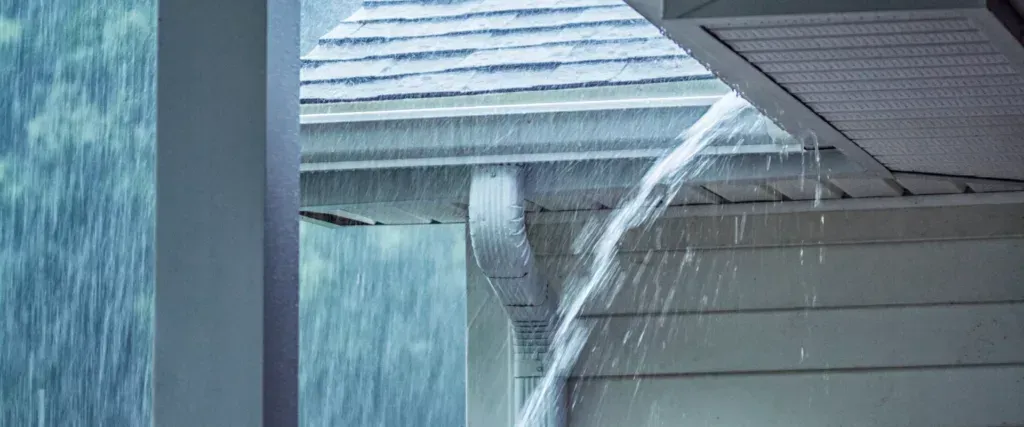
- Keep gutters clean to prevent water stains and mildew.
- Trim vegetation to reduce pollen, sap, and insect debris.
- Position sprinklers away from siding to prevent water stains and mineral deposits.
- Use a protective coating for UV protection and easier cleaning.
Repairing Damaged Vinyl Siding
Cleaning often reveals damage such as cracks, warping, or loose panels. Minor issues can be repaired, but extensive damage may require replacement.
Common Signs of Damage
- Cracks and holes from weather impact or pressure washing.
- Warping and buckling due to heat exposure.
- Discoloration from prolonged sun exposure or chemical reactions.
If repairs are needed, matching the replacement siding to the existing color ensures a seamless appearance.
Choosing Professional Siding Services
Proper installation and maintenance are key to extending the lifespan of vinyl siding. A trusted contractor ensures high-quality materials and expert service.
Our company holds industry-leading certifications, including BBB A+ accreditation, Guildmaster (GuildQuality), INC 5000, Google Guaranteed, and Qualified Remodeler Top 100 Satisfaction. We work with premium brands like James Hardie, Alside, and Everlast, providing top-tier siding solutions.
For expert vinyl siding maintenance, 180 Contractors Roofing & Siding, located in Troy, MI, offers professional cleaning, repairs, and installation services.
Frequently Asked Questions
Can I use bleach to clean vinyl siding?
Yes, but it should be diluted (one part bleach to four parts water) to prevent damage.
What is the best cleaner for vinyl siding?
A mixture of white vinegar and water is a safe and effective option. For tough stains, mild dish detergent or oxygen bleach works well.
Is pressure washing safe for vinyl siding?
Yes, but it must be done with low pressure and from a safe distance to prevent water infiltration.
How do I remove algae and mold from vinyl siding?
A vinegar or bleach solution effectively removes algae and mold buildup. Scrub gently and rinse thoroughly.
How long does vinyl siding last with proper maintenance?
High-quality vinyl siding can last 60+ years with regular cleaning and upkeep.
Conclusion
Regular cleaning and maintenance keep vinyl siding looking new while extending its lifespan. By using the right cleaning techniques and addressing damage promptly, homeowners can protect their investment and enhance their home’s exterior for years to come.
Read also our blog:
Top Siding Choices for Maximum Durability and Protection