Choosing the right siding for a home is a significant investment that impacts its longevity, energy efficiency, and curb appeal. While budget-friendly options may seem appealing, long-term durability should be the primary consideration. Understanding the lifespan, maintenance requirements, and resilience of different siding materials ensures homeowners make informed decisions.
Factors That Affect Siding Longevity
Several factors influence how long siding lasts, including:
- Material Quality:
Higher-quality materials generally have longer lifespans.
- Climate Conditions: Extreme weather, such as high winds, heavy rain, and direct sunlight, can accelerate wear and tear.
- Installation Quality:
Poorly installed siding may develop cracks, gaps, or warping over time.
- Maintenance: Some siding materials require frequent upkeep, while others need minimal care.
Comparing Siding Materials by Lifespan
Each siding material offers unique advantages and durability. Understanding their expected lifespans helps homeowners select the best option for long-term protection.
Vinyl Siding: Low Maintenance and Affordable
- Lifespan: 60+ years (with warranties ranging from 20-40 years)
- Pros:
Low cost, minimal maintenance, wide variety of colors and styles
- Cons:
Can fade over time, susceptible to impact damage
Vinyl siding remains one of the most popular choices due to its affordability and ease of maintenance. It resists moisture and pests but may become brittle in extreme cold or warp under intense heat. Regular cleaning can extend its lifespan.
Fiber Cement Siding: Strong and Weather-Resistant
- Lifespan: 50+ years
- Pros:
Fire-resistant, insect-proof, withstands extreme weather
- Cons: Heavy, requires professional installation, periodic painting needed
Fiber cement siding, made from a mix of cement, sand, and cellulose fibers, is an excellent long-term investment. It mimics the appearance of wood but offers superior durability. While fiber cement siding requires occasional repainting, its resilience against moisture and fire makes it a top choice for durability.
Stucco Siding: Classic and Energy-Efficient
- Lifespan: 50-80 years (depending on maintenance and climate)
- Pros: Excellent insulation, durable, fire-resistant
- Cons:
Prone to cracking in areas with high temperature fluctuations
Stucco siding, traditionally used in southwestern and Mediterranean-style homes, provides natural insulation, reducing energy costs. When installed and maintained correctly, it can last decades, though cracks should be repaired promptly to prevent water infiltration.
Metal Siding: Modern and Long-Lasting
- Lifespan: Up to 40 years
- Pros: Fire-resistant, durable, lightweight
- Cons:
Prone to dents and rust if not properly maintained
Aluminum and steel siding are known for their durability and resistance to fire and pests. However, metal siding can dent from hail or impact and may rust in humid climates if not coated with protective finishes.
Wood Siding: Natural Beauty with High Maintenance
- Lifespan:
20-40 years (with regular maintenance)
- Pros: Aesthetic appeal, biodegradable, renewable material
- Cons:
Requires frequent upkeep, susceptible to insects and rot
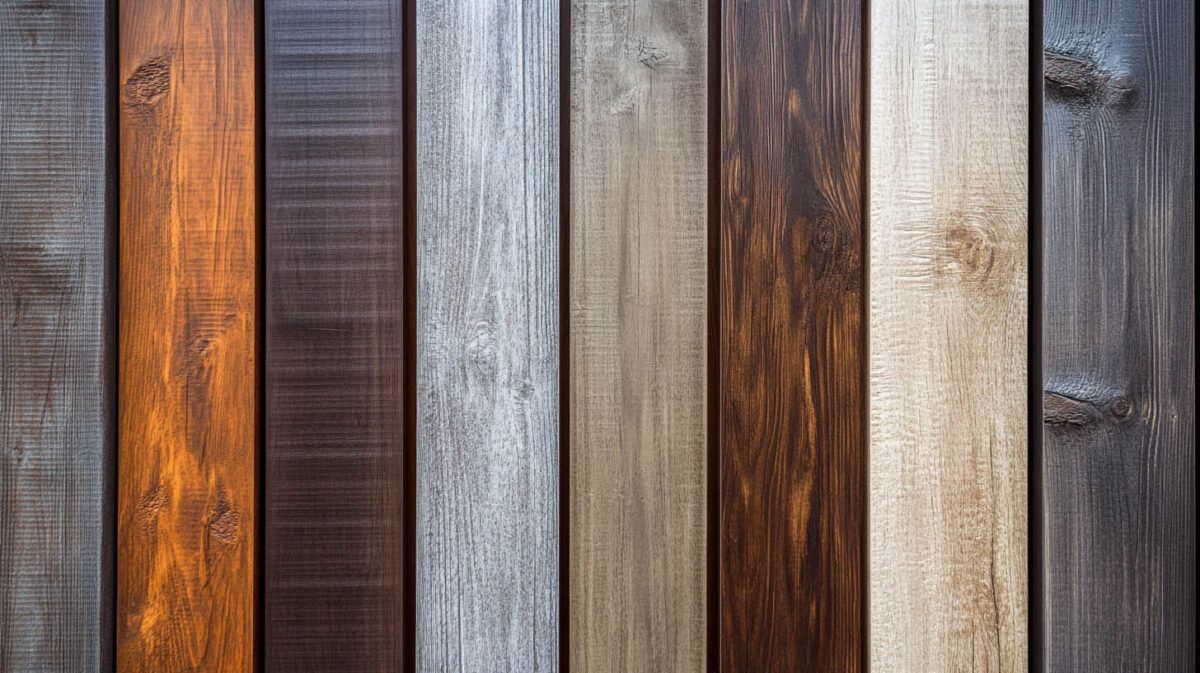
Wood siding, available in cedar, pine, and redwood, is prized for its traditional appearance. However, it demands regular staining, sealing, or painting to prevent rot and pest infestations. Proper maintenance significantly impacts its longevity.
How to Extend the Life of Siding
Even the most durable siding materials require care to maximize their lifespan. Implementing proper maintenance practices ensures siding remains in excellent condition for decades.
Routine Cleaning
- Wash vinyl, fiber cement, and metal siding annually with mild detergent and water.
- Avoid high-pressure washing on stucco and wood to prevent damage.
Preventing Moisture Damage
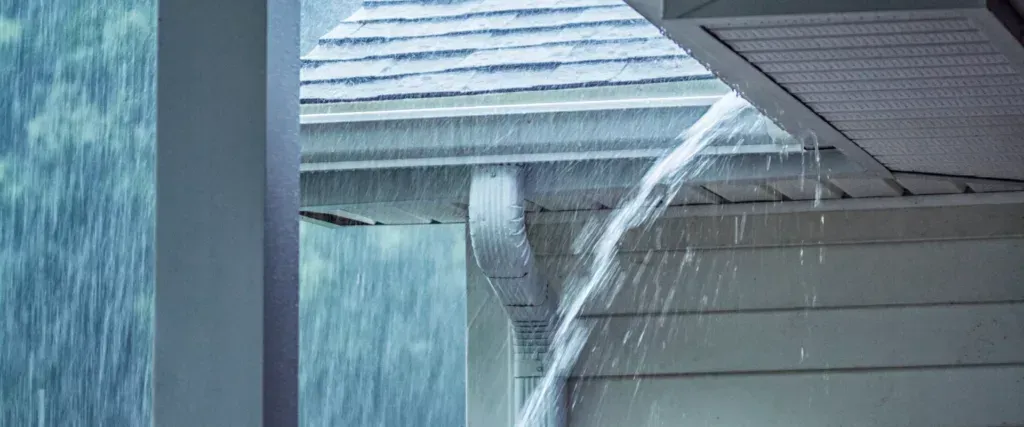
- Ensure gutters and downspouts function properly to divert water away from siding.
- Seal gaps or cracks immediately to prevent mold and rot.
Painting and Sealing
- Repaint fiber cement and wood siding every 5-10 years to maintain protection.
- Apply weather-resistant sealants to wood and stucco siding.
Regular Inspections
- Inspect siding annually for warping, cracks, or signs of insect damage.
- Replace damaged sections promptly to prevent further deterioration.
Choosing the Best Siding for Your Home
Selecting the ideal siding requires balancing longevity, maintenance, climate considerations, and budget.
- For Low-Maintenance Durability: Vinyl or metal siding
- For Maximum Longevity:
Stucco or fiber cement
- For Traditional Aesthetics: Wood siding (with proper maintenance)
If long-term value and minimal maintenance are priorities, fiber cement and stucco are excellent choices. However, homeowners looking for cost-effective, low-maintenance options may prefer vinyl or metal siding.
Trusted Siding Installation and Replacement
Choosing a reputable contractor ensures proper installation, which directly impacts siding longevity. Working with a company that prioritizes quality materials and craftsmanship is essential.
Our company holds certifications such as BBB A+ accreditation, Guildmaster (GuildQuality), INC 5000, Google Guaranteed, and Qualified Remodeler Top 100 Satisfaction. We work with industry-leading brands like James Hardie, Alside, and Everlast, ensuring homeowners receive top-quality products built to last.
If you’re considering new siding, 180 Contractors Roofing & Siding, located in Waterford, MI, offers expert installation and replacement services tailored to your home’s needs.
Frequently Asked Questions
What is the longest-lasting siding material?
Stucco and fiber cement siding can last 50-80 years with proper maintenance, making them the most durable options.
Does vinyl siding last as long as fiber cement?
Vinyl siding can last 60+ years, but fiber cement is more resistant to fire, pests, and severe weather, giving it an edge in durability.
How often does wood siding need to be maintained?
Wood siding should be stained, sealed, or painted every 3-5 years to prevent rot and insect damage.
Is metal siding better than vinyl?
Metal siding is fire-resistant and durable but can dent more easily. Vinyl is more affordable and requires less maintenance.
How do I know if my siding needs to be replaced?
Signs of needed replacement include warping, cracks, mold, high energy bills, or visible moisture damage.
Conclusion
Choosing long-lasting siding is essential for home protection, energy efficiency, and aesthetic appeal. By considering material lifespans, maintenance requirements, and climate factors, homeowners can make informed decisions that offer the best long-term value. Investing in high-quality siding and professional installation ensures a home’s exterior remains in excellent condition for decades.
Read also our blog:
When to Replace Your Home’s Siding: Key Signs and Considerations