Upgrading home siding is one of the most effective ways to enhance curb appeal, improve energy efficiency, and increase property value. Many homeowners seek durable, low-maintenance, and visually appealing solutions, making James Hardie fiber cement siding a top choice. With its superior craftsmanship, resistance to extreme weather, and long lifespan, it stands out as the best investment for exterior remodeling.
Why Homeowners Choose James Hardie Siding
James Hardie siding is designed to withstand harsh weather conditions, resist fire and pests, and maintain its aesthetic appeal for decades. Its fiber cement composition offers a unique combination of durability and beauty, making it a preferred choice for homeowners looking for long-term value.
1. Unmatched Durability and Weather Resistance
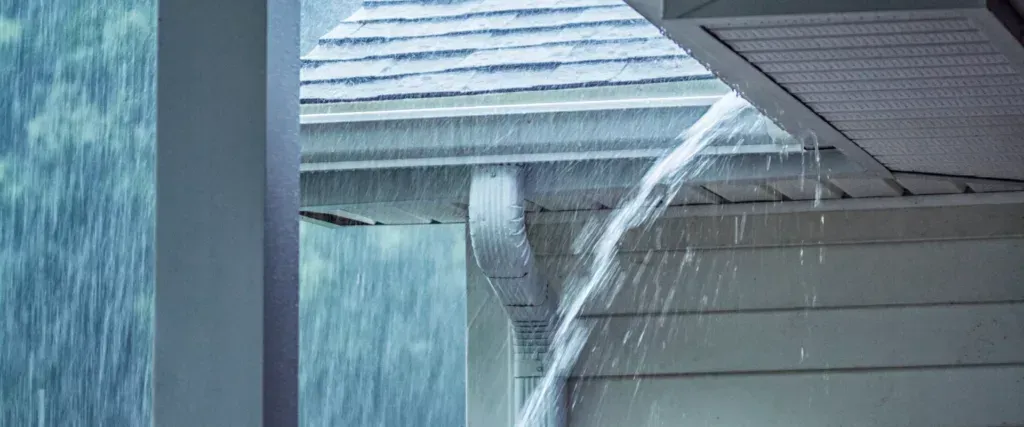
James Hardie fiber cement siding is engineered to endure temperature fluctuations, heavy rain, snow, and high winds. Unlike vinyl siding, which can crack in extreme cold, or wood siding, which absorbs moisture and rots over time, James Hardie siding remains intact and retains its structural integrity in all climates.
2. Aesthetic Versatility for Any Home Style
James Hardie offers a variety of styles, including HardiePlank lap siding, HardieShingle siding, and HardiePanel vertical siding. These options allow homeowners to customize their exteriors while maintaining the classic beauty of wood without the maintenance. The ColorPlus® Technology ensures long-lasting color vibrancy with a factory-applied, baked-on finish that resists fading.
3. Protection Against Fire and Pests
Unlike wood siding, which is vulnerable to termites and fire, James Hardie siding is non-combustible and pest-resistant. This added level of safety and durability makes it a smart investment for homeowners prioritizing long-term security and protection.
A Homeowner’s Siding Transformation
Many homeowners experience a dramatic transformation when replacing outdated or damaged siding with James Hardie products. A recent project highlights the benefits of upgrading to fiber cement siding.
1. Identifying the Need for a Siding Replacement
The homeowner’s previous siding had suffered from years of exposure to harsh weather. Peeling paint, warped boards, and visible signs of water damage made it clear that an upgrade was necessary.
2. Selecting the Right James Hardie Siding Style
After considering multiple options, the homeowner chose HardiePlank lap siding in a neutral, modern shade that complemented their home’s architecture. The sleek, wood-like appearance provided an updated and timeless look while ensuring long-lasting performance.
3. The Professional Installation Process
Experienced siding contractors removed the old material, repaired underlying structural issues, and installed the new James Hardie siding with precision. Proper flashing and sealing techniques ensured the home would remain protected from moisture infiltration and energy loss.
4. The Final Results
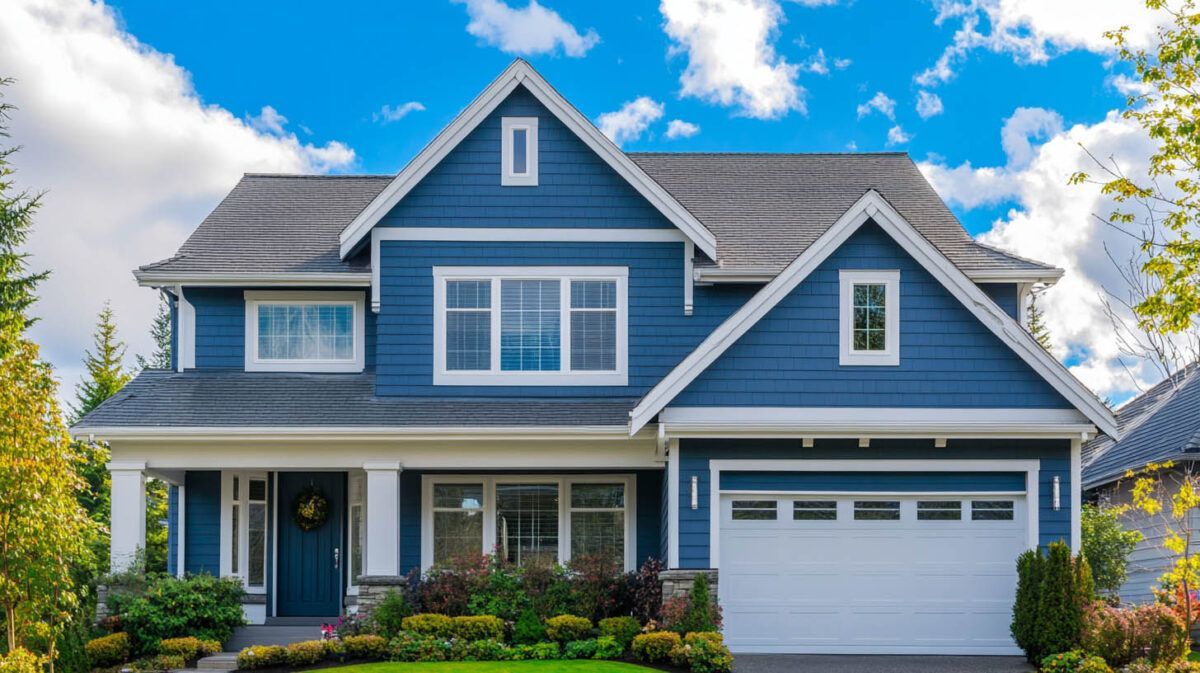
The transformation was remarkable. The home’s exterior looked refreshed, modern, and high-end, instantly increasing curb appeal. The homeowner also noticed a reduction in energy bills due to the improved insulation properties of the new siding.
Comparing James Hardie Siding to Other Materials
James Hardie vs. Vinyl Siding
- Durability:
Vinyl can crack in extreme temperatures, whereas James Hardie siding remains stable.
- Appearance: James Hardie siding offers a more authentic wood-grain texture.
- Fire Resistance:
Vinyl melts under high heat; James Hardie siding is non-combustible.
James Hardie vs. Wood Siding
- Moisture Resistance: Wood absorbs water, leading to rot, but James Hardie siding is designed to repel moisture.
- Pest Resistance:
Wood is prone to termite damage, while James Hardie siding remains pest-free.
- Maintenance:
Wood requires frequent staining and sealing, but James Hardie siding is virtually maintenance-free.
James Hardie vs. Engineered Wood
- Longevity: James Hardie siding lasts 30 to 50 years, whereas engineered wood has a shorter lifespan.
- Weather Resistance:
Engineered wood can warp or swell over time, while fiber cement remains unaffected.
- Cost Efficiency:
James Hardie siding offers better long-term savings due to its durability and minimal maintenance requirements.
Key Considerations for Installing James Hardie Siding
1. Choosing the Right Siding Contractor
The success of any siding installation depends on the skill and experience of the contractor. Working with professionals ensures that the siding is properly installed, sealed, and aligned for maximum durability and aesthetic appeal.
2. Selecting the Right Color and Texture
James Hardie siding is available in a wide range of colors, with ColorPlus® Technology providing UV resistance and long-lasting vibrancy. Choosing the right shade and style enhances a home’s architecture while requiring minimal upkeep.
3. Ensuring Proper Maintenance for Longevity
While James Hardie siding is low-maintenance, occasional cleaning with mild soap and water helps preserve its appearance. Conducting periodic inspections for minor cracks or caulking gaps ensures long-term performance.
Choosing a Trusted Siding Contractor
Selecting an experienced and reputable siding contractor ensures a seamless installation process and long-term satisfaction. 180 Contractors Roofing & Siding, located in Waterford, MI, has built a strong reputation for delivering high-quality exterior renovations.
Our Certifications:
- BBB A+ Accredited: A mark of trust and quality service.
- Guildmaster (GuildQuality):
Recognized for outstanding customer satisfaction.
- INC 5000: Ranked among the fastest-growing companies.
- Google Guaranteed:
Verified for excellence in home improvement.
- Qualified Remodeler Top 100 Satisfaction:
Recognized for superior craftsmanship and service.
Frequently Asked Questions
1. How long does James Hardie siding last?
James Hardie fiber cement siding is designed to last between 30 and 50 years with minimal maintenance.
2. Does James Hardie siding fade over time?
No, the ColorPlus® Technology ensures long-lasting color that resists fading, peeling, and chipping.
3. Can James Hardie siding be installed in any climate?
Yes, James Hardie siding is engineered to withstand extreme heat, cold, and humidity, making it suitable for any region.
4. Is James Hardie siding more expensive than vinyl?
While James Hardie siding has a higher upfront cost than vinyl, it provides better durability, energy efficiency, and long-term value.
5. Does James Hardie siding require painting?
Pre-finished ColorPlus® siding does not require painting for many years, but if a homeowner chooses an unpainted option, it can be painted to match any design preference.
Conclusion
James Hardie fiber cement siding is a smart investment for homeowners looking for long-lasting durability, enhanced curb appeal, and superior weather resistance. By selecting the right siding and working with an experienced contractor, homeowners can achieve a high-quality exterior that stands the test of time.
Read also our blog:
A Homeowner’s Journey to a Stunning Exterior with James Hardie Siding