Siding plays a crucial role in protecting a home from the elements while enhancing its curb appeal. Over time, exposure to weather, moisture, and general wear can compromise its integrity. Recognizing when siding needs replacement can prevent structural damage and improve energy efficiency.
Signs That Your Siding Needs to Be Replaced
Identifying early warning signs of siding failure can prevent costly repairs and protect your home’s foundation and insulation.
Warping and Buckling
Siding should lay flat against the house. If it appears warped, bulging, or wavy, underlying moisture or structural issues may be affecting its stability. Vinyl siding, for example, may warp due to excessive heat exposure, while wood siding can buckle due to trapped moisture.
Cracks and Splits
Visible cracks and splits in siding panels indicate aging and structural weakness. Even minor cracks can allow moisture to seep behind the siding, leading to mold growth and internal water damage. If the damage is localized, replacing a small section may suffice, but widespread cracking often requires a full replacement.
Soft or Rotted Siding
Prolonged exposure to moisture can cause wood siding to rot. If pressing a screwdriver against the siding results in soft, crumbling wood, the material is compromised and needs replacement. Fiber cement and vinyl siding are more resistant to rot, but still require proper maintenance to prevent damage.
Mold, Mildew, or Algae Growth
The presence of mold, mildew, or algae on the exterior of siding can indicate trapped moisture beneath the panels. If left untreated, this can lead to insulation damage and an unhealthy living environment. Cleaning the siding may remove surface-level growth, but persistent issues often signal a deeper problem that requires replacement.
Frequent Need for Repairs
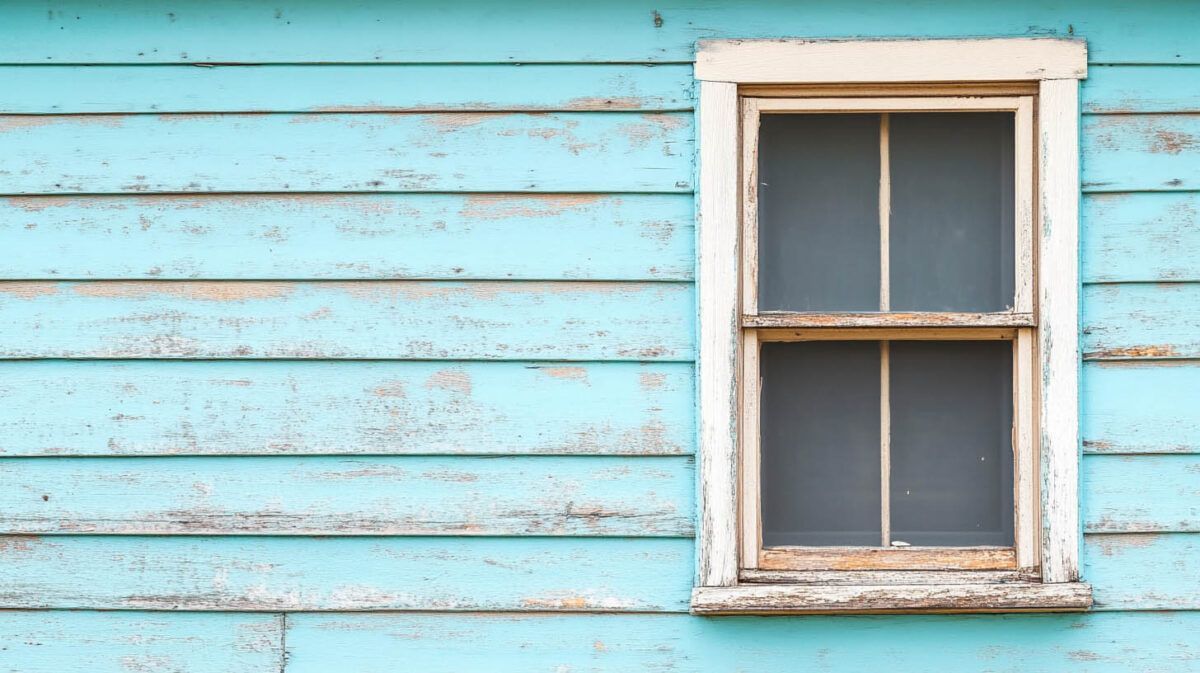
If siding frequently requires patching or repainting, its lifespan is likely nearing its end. High-quality vinyl and fiber cement siding typically maintain their appearance for decades, whereas older materials such as aluminum or wood may degrade more quickly.
Storm or Impact Damage
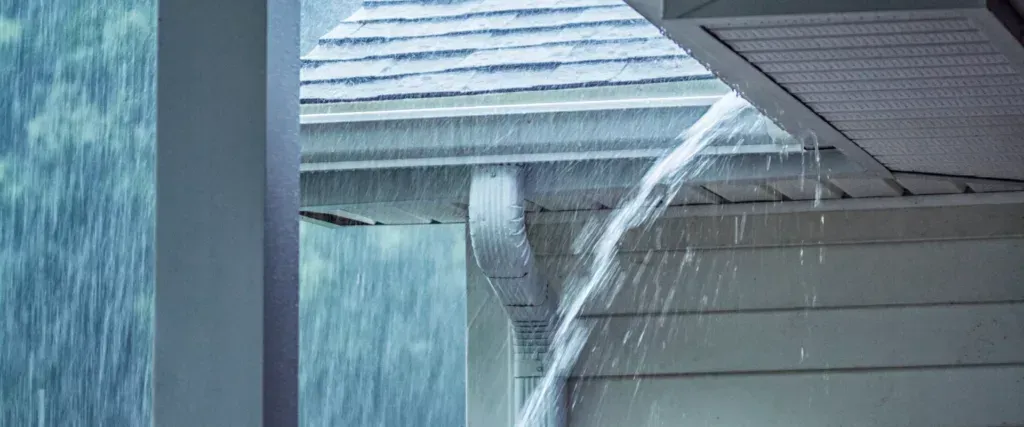
Severe weather conditions, including hailstorms, high winds, and falling debris, can cause direct damage to siding. Large dents, missing panels, or punctures require immediate attention. Homeowners should check their insurance policies, as storm damage may be covered.
Increased Energy Bills
Damaged or aging siding can contribute to poor insulation, forcing HVAC systems to work harder. If heating and cooling costs rise unexpectedly, inefficient siding may be a contributing factor. Checking for drafts near walls or windows can help determine if siding replacement is necessary.
Lifespan of Different Siding Materials
The longevity of siding depends on the material, climate conditions, and maintenance.
- Vinyl Siding: Typically lasts 20 to 40 years with minimal maintenance.
- Wood Siding:
Requires frequent upkeep but can last 30 to 50 years if properly maintained.
- Fiber Cement Siding:
Known for durability, lasting 40 to 60 years with routine inspections.
- Aluminum Siding:
Generally lasts 30 to 50 years, but may dent easily.
- Brick and Stone Veneer:
Can last over 75 years, though mortar joints may require repairs over time.
Choosing the Right Time for Siding Replacement
Replacing siding at the right time ensures maximum durability and protection. Consider replacing siding during mild weather seasons, such as spring or fall, to avoid extreme temperatures that could impact installation quality.
The Importance of Professional Siding Inspection
A professional siding inspection helps homeowners determine if replacement is necessary. Experts can identify hidden issues, recommend suitable materials, and ensure installation meets industry standards.
For homeowners in Rochester Hills, MI, 180 Contractors Roofing & Siding provides expert siding inspections and installations. As a BBB A+ accredited company, Guildmaster (GuildQuality) award winner, and INC 5000 honoree, we specialize in high-quality siding solutions. We work with leading brands like James Hardie, Alside, and Everlast to ensure long-lasting results.
Frequently Asked Questions (FAQs)
How do I know if my siding has water damage?
Signs of water damage include mold growth, soft or crumbling siding, peeling paint inside the home, and unexplained moisture buildup.
Can I replace only part of my siding?
Yes, if damage is localized, replacing only the affected sections may be sufficient. However, widespread deterioration often requires full replacement.
What type of siding lasts the longest?
Brick and stone veneer have the longest lifespan, often exceeding 75 years, while fiber cement siding lasts 40 to 60 years with proper care.
Is replacing siding a good investment?
Yes, new siding improves energy efficiency, boosts curb appeal, and increases property value, making it a worthwhile home improvement project.
Does homeowners insurance cover siding replacement?
If siding is damaged by storms, fires, or other covered events, insurance may cover replacement costs. However, wear and tear due to aging is typically not covered.
Conclusion
Regular siding inspections and timely replacements help maintain a home’s structure, energy efficiency, and visual appeal. Identifying signs of deterioration early can prevent costly repairs and ensure lasting protection against the elements.
Read also our blog:
Safe and Effective Methods for Cleaning Historic Home Siding