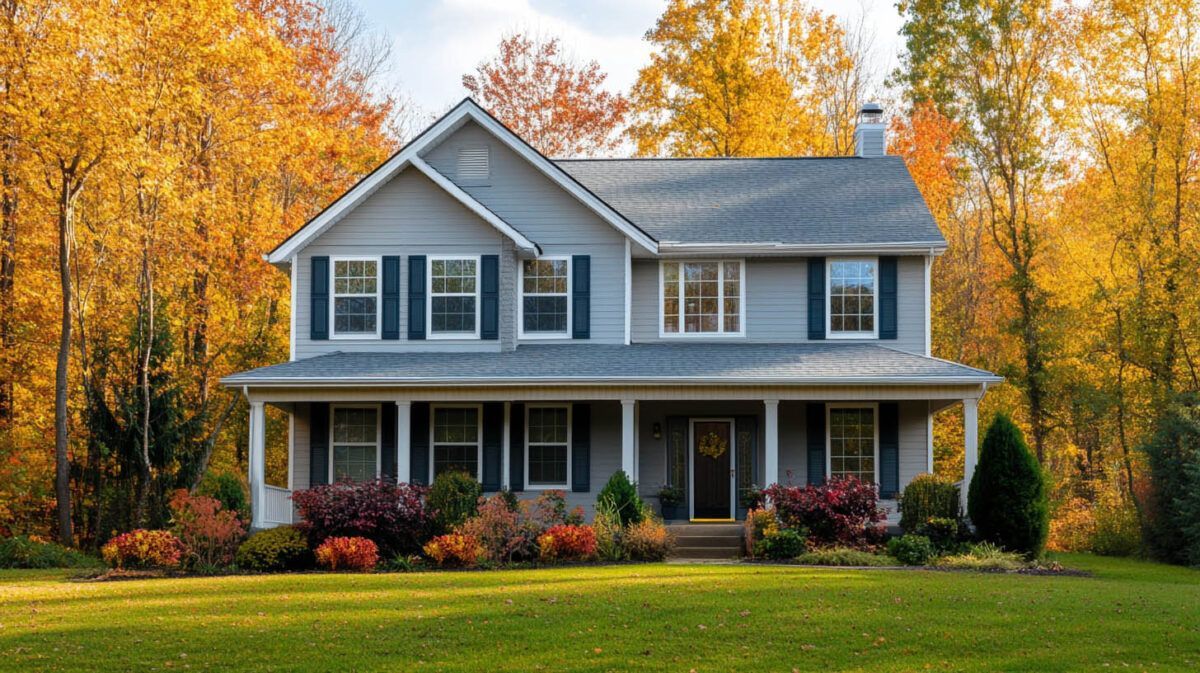
Vinyl siding is one of the most widely used exterior home materials due to its affordability, low maintenance, and versatility. However, while it offers several advantages, it also has drawbacks that homeowners should consider before making a final decision. Understanding the pros and cons of vinyl siding ensures that you select the best option for long-term durability and curb appeal.
Benefits of Vinyl Siding
Cost-Effective and Budget-Friendly
Vinyl siding remains one of the most affordable siding materials on the market. Compared to wood, fiber cement, and brick, it offers a cost-effective solution without compromising quality. Homeowners looking for a budget-friendly exterior upgrade often choose vinyl due to its lower upfront cost and minimal long-term maintenance expenses.
Highly Durable and Weather-Resistant
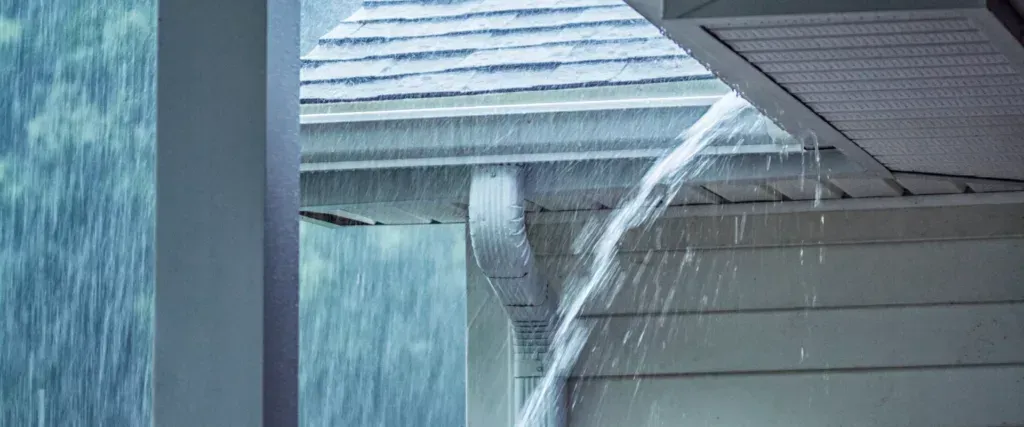
Manufactured to withstand harsh weather conditions, vinyl siding is resistant to moisture, rot, and insect damage. Unlike wood, which can decay over time, or metal, which may rust, vinyl remains intact even in extreme temperatures. Many modern vinyl products are engineered to resist high winds, hail, and heavy rain.
Low Maintenance Requirements
Unlike wood siding, which requires frequent painting and staining, vinyl siding maintains its color and finish for decades. Cleaning is simple, requiring only occasional washing with a hose and mild detergent to remove dirt and debris. With no need for repainting or resealing, homeowners save both time and money on upkeep.
Wide Variety of Colors and Styles
Vinyl siding is available in an extensive range of colors, textures, and styles, allowing homeowners to customize their home’s exterior. Whether you prefer a traditional lap siding design or a more modern vertical panel look, vinyl can be tailored to complement any architectural style. Some products even mimic the appearance of wood or stone for enhanced aesthetic appeal.
Energy-Efficient Options Available
Insulated vinyl siding provides an additional layer of protection that can improve a home’s energy efficiency. By reducing heat transfer and helping to maintain indoor temperatures, insulated siding contributes to lower heating and cooling costs. This makes it a popular choice for homeowners seeking an energy-efficient solution.
Disadvantages of Vinyl Siding
Susceptible to Damage from Impact
While vinyl is durable, it is not indestructible. Flying debris, lawn equipment, or hail can cause cracks or dents in the panels. Additionally, if a section becomes damaged, it may require full panel replacement rather than simple repairs.
Potential for Fading Over Time
Prolonged exposure to direct sunlight can cause vinyl siding to fade, particularly in darker colors. Although modern vinyl products include UV-resistant coatings, long-term sun exposure may lead to discoloration. Choosing a lighter color can help minimize noticeable fading.
May Look Less Authentic Than Natural Materials
Although vinyl can mimic wood or stone, it does not fully replicate the texture and depth of natural materials. For historic or high-end homes, some homeowners prefer fiber cement or wood siding for a more authentic appearance. However, combining vinyl with complementary materials, such as stone veneer or brick accents, can enhance curb appeal.
Expansion and Contraction in Extreme Temperatures
Vinyl siding expands and contracts with temperature fluctuations, which can lead to warping or buckling if not installed properly. Professional installation is crucial to ensure that panels are secured while allowing for natural movement. Poorly installed siding can develop gaps or become loose in high winds.
Environmental Considerations
Although vinyl siding is recyclable, it is primarily made from PVC (polyvinyl chloride), which has raised environmental concerns. Some eco-conscious homeowners opt for alternative siding materials with a lower environmental impact. However, advancements in manufacturing have led to more sustainable vinyl options.
Is Vinyl Siding the Right Choice for Your Home?
Vinyl siding remains a top choice for homeowners due to its affordability, durability, and ease of maintenance. However, it may not be ideal for every home, particularly in cases where historic authenticity or extreme durability is a priority. Evaluating personal preferences, climate considerations, and long-term maintenance expectations can help determine if vinyl siding is the best fit.
Professional Siding Installation and Expert Guidance
Choosing the right siding material is just one step; proper installation is equally important for long-term performance. Working with an experienced contractor ensures that vinyl siding is installed correctly, maximizing its durability and aesthetic appeal.
Our company holds BBB A+ accreditation, Guildmaster (GuildQuality), INC 5000 recognition, Google Guaranteed certification, and Qualified Remodeler Top 100 Satisfaction awards. We partner with industry-leading brands such as James Hardie, Alside, and Everlast, ensuring top-quality materials and expert craftsmanship.
For professional siding installation, 180 Contractors Roofing & Siding, located in Rochester Hills, MI, offers tailored solutions to enhance and protect your home’s exterior.
Frequently Asked Questions
How long does vinyl siding last?
High-quality vinyl siding can last 60+ years with proper installation and maintenance.
Can vinyl siding be painted?
Yes, but painting is generally not recommended because it eliminates the low-maintenance benefits of vinyl. If painting is necessary, use a paint designed for vinyl surfaces.
Is vinyl siding waterproof?
Vinyl siding is water-resistant but not waterproof. Proper installation with a moisture barrier prevents water from seeping behind panels.
What is the best way to clean vinyl siding?
A mixture of mild detergent and water or a vinegar solution can effectively remove dirt and mildew. Avoid high-pressure washing to prevent damage.
Is insulated vinyl siding worth it?
Insulated vinyl siding improves energy efficiency and reduces noise levels, making it a great option for homes in extreme climates.
Conclusion
Vinyl siding offers a cost-effective, low-maintenance, and durable option for homeowners looking to enhance their property’s exterior. While it has some drawbacks, proper installation and material selection can maximize its benefits. Homeowners should weigh their options carefully and consult with professionals to ensure the best long-term investment for their home.
Read also our blog:
The Ultimate Guide to Cleaning Vinyl Siding for a Long-Lasting Finish