Vinyl siding remains one of the most cost-effective and durable choices for homeowners looking to enhance their property’s exterior. With its affordability, energy efficiency, and minimal maintenance, vinyl siding provides an excellent return on investment (ROI). As more homeowners seek long-lasting and visually appealing exterior solutions, vinyl siding continues to dominate the market. Below, we explore how vinyl siding increases home value, reduces maintenance costs, and improves energy efficiency, making it a smart financial decision.
The Financial Benefits of Vinyl Siding
Increased Home Value and Resale Potential
Installing new vinyl siding can significantly increase a home’s value. According to industry data, homeowners can expect to recoup up to 75% of their siding investment upon resale. The National Association of Realtors (NAR) consistently ranks vinyl siding among the top home improvement projects with high ROI.
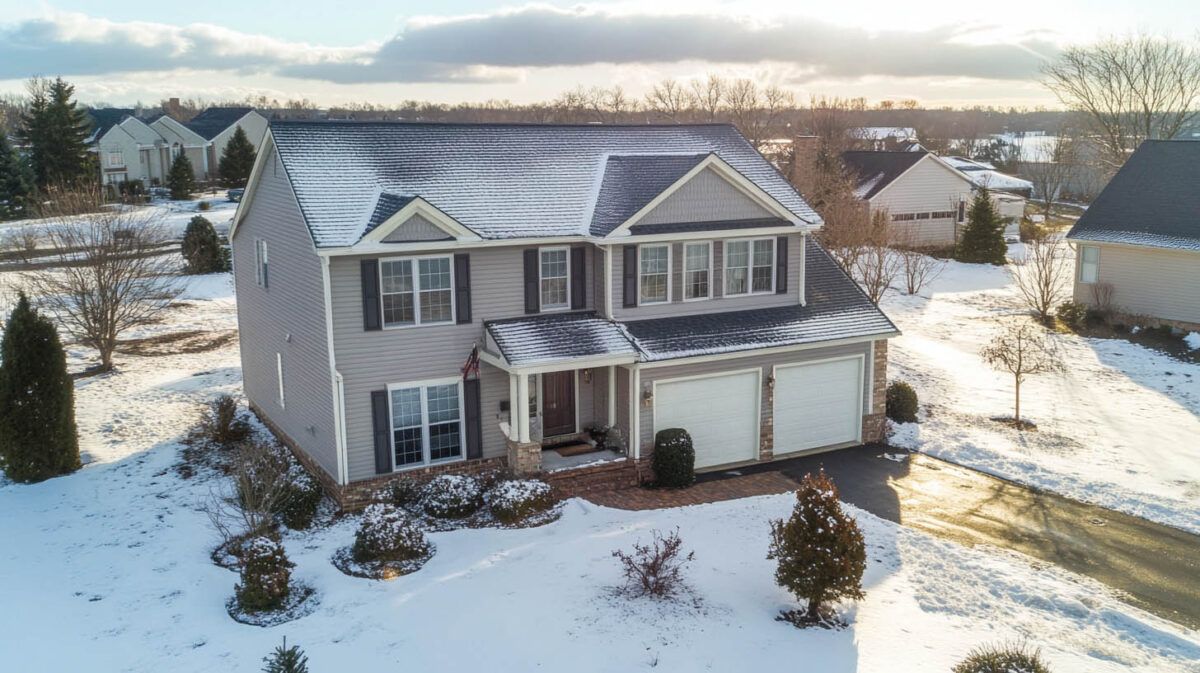
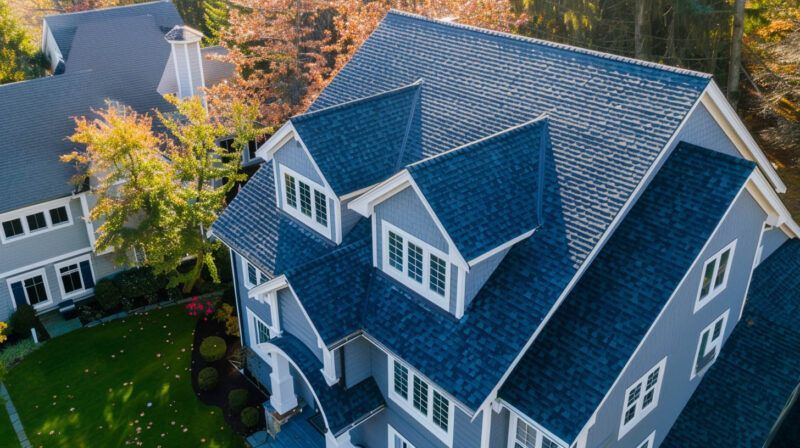
Additionally, vinyl siding enhances a property’s curb appeal, making it more attractive to potential buyers. Homes with well-maintained exteriors sell faster and at higher prices compared to properties with outdated or damaged siding.
Lower Upfront and Long-Term Costs
Compared to alternatives like fiber cement or wood siding, vinyl siding offers a much lower initial cost. The average cost of vinyl siding installation ranges from $6,000 to $16,000, depending on the home’s size and location. However, this investment pays off in several ways:
- No painting required – Unlike wood siding, vinyl does not need to be repainted every few years, saving homeowners thousands of dollars over time.
- Minimal maintenance – Cleaning vinyl siding requires only soap and water, eliminating the need for costly upkeep.
- Longevity – High-quality vinyl siding lasts 30 to 50 years, making it a one-time investment for many homeowners.
Energy Efficiency and Insulation Savings
Vinyl siding contributes to home energy efficiency by providing an additional layer of insulation. Insulated vinyl siding, in particular, reduces thermal bridging, where heat escapes through the home’s wall studs. By improving insulation by up to 20%, vinyl siding lowers heating and cooling costs throughout the year.
Studies indicate that walls account for up to 35% of a home’s energy loss, making proper insulation crucial. Insulated vinyl siding, combined with house wrap or foam board insulation, prevents unnecessary heat loss and maintains indoor temperatures more effectively.
Comparing Vinyl Siding to Other Materials
Vinyl vs. Wood Siding
Wood siding offers a classic aesthetic but comes with higher maintenance requirements and costs. Homeowners must repaint wood siding every three to seven years, depending on the color and climate. Additionally, wood siding is vulnerable to moisture damage, rot, and insect infestations.
By contrast, vinyl siding:
- Never requires repainting or sealing
- Resists mold, mildew, and pests
- Withstands extreme weather conditions
Vinyl vs. Fiber Cement
Fiber cement siding, such as James Hardie products, is a durable alternative but is significantly heavier and more expensive to install. It also requires periodic painting and sealing. While fiber cement is fire-resistant, vinyl siding offers comparable durability at a fraction of the cost.
Vinyl vs. Brick
Brick siding is highly durable but comes with one of the highest upfront costs in exterior remodeling. The installation process is also labor-intensive, adding to overall expenses. Vinyl siding provides a similar level of durability while remaining far more affordable and easier to install.
How Proper Installation Enhances ROI
Choosing the Right Insulation
Adding rigid foam board insulation or blown-in insulation beneath vinyl siding improves a home’s energy efficiency and weather resistance. This extra layer prevents heat loss through wall studs, reducing heating and cooling expenses by up to 15% annually.
Professional Installation Matters
Correct installation is crucial to maximize the lifespan and benefits of vinyl siding. Homeowners should hire experienced contractors to ensure:
- Proper nailing techniques that allow for expansion and contraction
- Secure attachment without over-tightening, which can cause warping
- Correct use of underlayment to prevent moisture buildup
For reliable siding installation, 180 Contractors Roofing & Siding, located in Rochester Hills, MI, provides expert service and high-quality materials. The company holds BBB A+ accreditation, Guildmaster (GuildQuality) recognition, INC 5000 ranking, Google Guaranteed status, and Qualified Remodeler Top 100 Satisfaction ratings. They work with trusted brands like James Hardie, Alside, and Everlast, ensuring superior results for every project.
Long-Term Benefits and Future Trends
Durability and Climate Adaptability
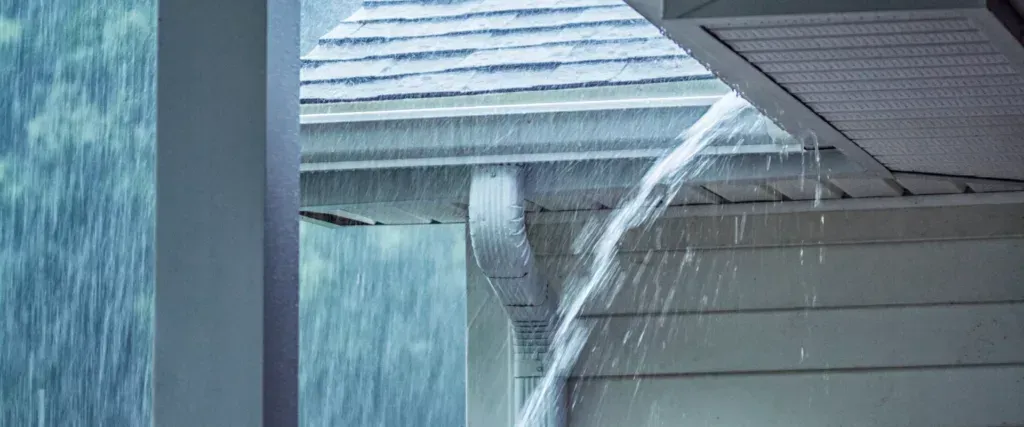
Vinyl siding is engineered to withstand harsh weather conditions, including high winds, heavy rain, and extreme temperatures. Advances in manufacturing have improved UV resistance, preventing color fading over time.
Sustainability and Eco-Friendliness
Modern vinyl siding is produced using recyclable materials and energy-efficient processes. Unlike wood siding, which contributes to deforestation, vinyl siding minimizes environmental impact while enhancing energy efficiency.
Future Innovations in Vinyl Siding
The vinyl siding industry continues to evolve, with improved textures, color stability, and integrated insulation. Manufacturers are developing self-cleaning surfaces that repel dirt and minimize maintenance. As technology advances, vinyl siding will remain a top choice for homeowners looking for a balance of affordability, durability, and aesthetics.
FAQs About Vinyl Siding ROI
1. How much value does vinyl siding add to a home?
On average, vinyl siding increases home value by $10,000 to $15,000, depending on location and property size. Homeowners can expect a return on investment (ROI) of 70% to 75%.
2. Does vinyl siding reduce energy costs?
Yes, especially when paired with insulated siding or foam board insulation. Vinyl siding reduces heat loss, leading to lower heating and cooling bills year-round.
3. Is vinyl siding more cost-effective than wood?
Absolutely. Vinyl siding eliminates the need for painting and frequent maintenance, saving homeowners thousands of dollars over its lifetime.
4. How long does vinyl siding last?
High-quality vinyl siding lasts 30 to 50 years with minimal maintenance, making it one of the most durable exterior materials available.
5. Can vinyl siding increase curb appeal?
Yes. Modern vinyl siding mimics natural wood grain, offers a variety of color options, and enhances a home’s overall aesthetic. Homes with updated siding are more attractive to potential buyers.
Conclusion
Vinyl siding remains a top investment for homeowners seeking affordability, durability, and long-term savings. Its low maintenance requirements, energy efficiency, and high resale value make it one of the best exterior siding choices available. With advancements in design and insulation, vinyl siding continues to offer a strong return on investment while enhancing a home’s beauty and functionality. Whether upgrading an older home or building new, vinyl siding is a smart and lasting choice.
Read also our blog:
Choosing Vinyl Siding for Durability and Performance