Choosing Vinyl Siding for Durability and Performance
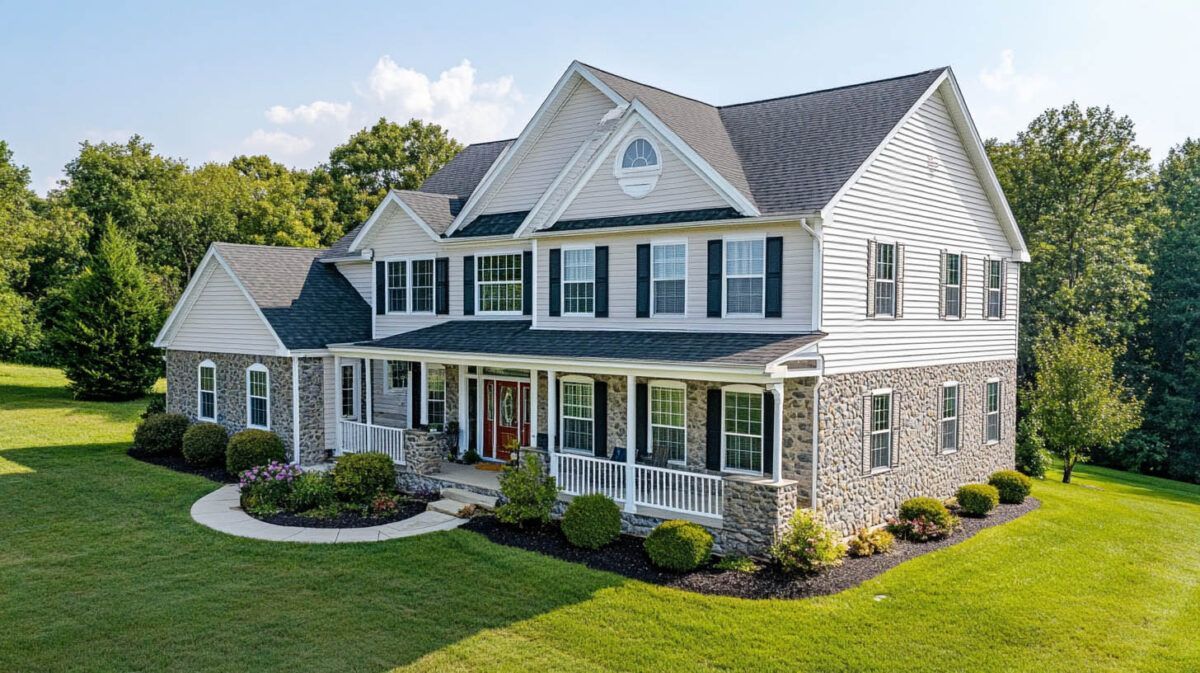
Vinyl siding remains one of the most durable, cost-effective, and aesthetically versatile options for homeowners looking to enhance their property’s exterior. As a preferred material for both new construction and renovation projects, vinyl siding offers an unbeatable combination of affordability, energy efficiency, and minimal maintenance. Below, we explore why vinyl siding stands out among other exterior materials, covering its key benefits, modern innovations, installation best practices, and long-term value.
Why Homeowners Choose Vinyl Siding
Cost-Effective and Budget-Friendly
Vinyl siding is one of the most cost-effective cladding solutions available. Compared to natural wood, brick, or fiber cement siding, vinyl is significantly more affordable in both material and installation costs. Homeowners can save thousands on upfront expenses while also benefiting from long-term financial savings due to its minimal maintenance requirements.
Additionally, vinyl siding eliminates the need for periodic painting or staining, reducing ongoing maintenance expenses. Unlike wood siding, which requires refinishing every few years, vinyl maintains its original appearance for decades.
Energy Efficiency and Insulation Benefits
Vinyl siding enhances a home’s energy efficiency by providing an extra layer of insulation. Insulated vinyl siding, in particular, helps reduce heat transfer, keeping homes warmer in winter and cooler in summer. This results in lower energy bills and a reduced carbon footprint.
Furthermore, vinyl siding is compatible with house wrap and additional insulation materials, further improving thermal performance and moisture control. The energy savings alone make it a worthwhile investment for homeowners looking to increase their property’s efficiency.
Low Maintenance and High Durability
One of the primary advantages of vinyl siding is its durability. Unlike wood, which is prone to rot, pests, and warping, vinyl siding resists moisture, insects, and harsh weather conditions. Properly installed vinyl siding can last over 50 years without significant wear and tear.
Additionally, vinyl siding is incredibly low maintenance. A simple wash with water and mild detergent is enough to keep it looking new. Unlike painted surfaces, vinyl does not peel, crack, or chip over time, making it an excellent choice for homeowners who prefer a hassle-free exterior.
Modern Aesthetic Appeal and Design Versatility
Wide Range of Colors and Textures
Modern vinyl siding is available in a vast array of colors, textures, and profiles to match any architectural style. Whether homeowners prefer the classic look of wood grain or the sleek finish of modern panels, vinyl siding offers customizable options.
Some styles even mimic traditional wood siding, allowing homeowners to achieve the appearance of cedar or pine without the associated maintenance challenges. Manufacturers use fade-resistant technology to ensure that colors remain vibrant for years, reducing the need for repainting.
Customization and Curb Appeal
Vinyl siding allows for extensive customization, with options including:
- Traditional lap siding for a timeless look
- Board and batten styles for a rustic charm
- Shake and shingle designs that replicate wood aesthetics
- Vertical panels for a contemporary feel
With so many design choices, homeowners can tailor their exterior to reflect their personal style while boosting curb appeal.
Environmental Benefits of Vinyl Siding
Sustainable Manufacturing and Longevity
Vinyl siding is made from polyvinyl chloride (PVC), a durable and recyclable material. Compared to alternative siding materials that require frequent replacement or maintenance, vinyl siding contributes to sustainability through its long lifespan and minimal resource consumption.
Moreover, vinyl siding’s insulating properties help reduce overall energy use in homes, making it a more environmentally responsible choice. The manufacturing process has also evolved to minimize waste and emissions, further enhancing its eco-friendly appeal.
Weather Resistance and Climate Adaptability
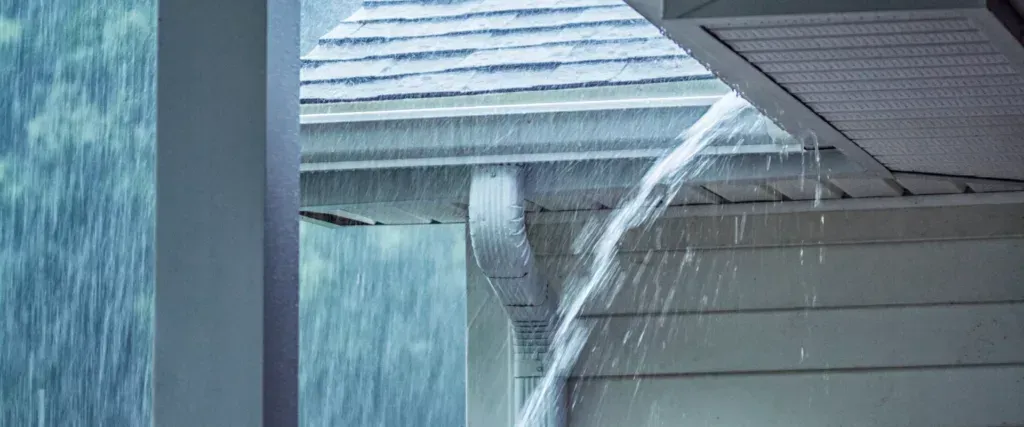
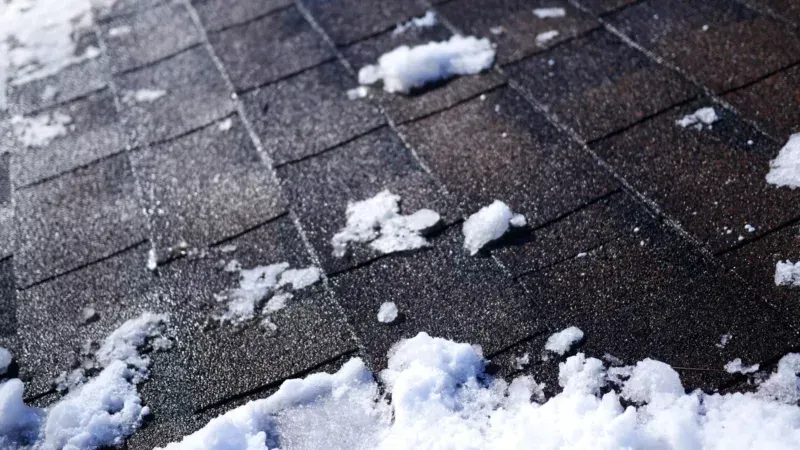
Vinyl siding is designed to withstand extreme weather conditions, including heavy rain, snow, and high winds. It does not absorb moisture, preventing issues such as mold growth and structural damage.
For homeowners in areas prone to temperature fluctuations, vinyl siding provides superior performance without the risk of cracking or warping. UV-resistant coatings also ensure that siding maintains its color and integrity even after years of sun exposure.
Professional Installation: Ensuring Longevity
Proper Installation Techniques
To maximize the lifespan and performance of vinyl siding, professional installation is essential. Key factors that contribute to successful siding installation include:
- Allowing for natural expansion and contraction due to temperature changes
- Using proper underlayment and moisture barriers to prevent water infiltration
- Securing panels without over-tightening nails, which can cause warping
A well-installed vinyl siding system not only enhances a home’s appearance but also improves its energy efficiency and resistance to the elements.
Working with Trusted Contractors
Choosing a reputable contractor ensures that vinyl siding is installed correctly and meets all industry standards. For homeowners seeking expert installation, 180 Contractors Roofing & Siding, located in Troy, MI, provides high-quality siding solutions tailored to individual needs. The company is BBB A+ accredited, a Guildmaster (GuildQuality) award recipient, and recognized by INC 5000, Google Guaranteed, and Qualified Remodeler Top 100 Satisfaction. They work with leading brands, including James Hardie, Alside, and Everlast, to offer superior siding products and installation services.
Long-Term Value and ROI
Increased Home Value
Vinyl siding is a valuable investment that enhances property value. A well-maintained exterior boosts curb appeal, making homes more attractive to potential buyers. According to industry reports, homeowners can expect a return on investment (ROI) of approximately 75% when upgrading to vinyl siding.
Protection Against Structural Damage
By acting as a protective barrier, vinyl siding helps shield homes from environmental damage. It prevents moisture infiltration, reducing the risk of mold, rot, and foundation issues. This added protection ensures that homeowners avoid costly repairs in the future.
FAQs About Vinyl Siding
1. How long does vinyl siding last?
Vinyl siding can last 50 years or more when properly installed and maintained. Its weather-resistant properties ensure long-term durability.
2. Does vinyl siding fade over time?
High-quality vinyl siding is UV-resistant and engineered to retain its color for decades. Some products come with lifetime warranties against fading.
3. Can vinyl siding be painted?
Yes, but most homeowners find it unnecessary. If desired, acrylic latex paint can be used to change the color. However, choosing fade-resistant vinyl eliminates the need for repainting.
4. Is vinyl siding good for insulation?
Yes, especially insulated vinyl siding, which helps reduce heat loss and energy costs. Adding a house wrap or extra insulation enhances its efficiency.
5. What maintenance does vinyl siding require?
Vinyl siding is low maintenance—an occasional wash with soap and water is sufficient to remove dirt and debris. Unlike wood, it does not require painting or sealing.
Conclusion
Vinyl siding remains a top choice for homeowners seeking durability, affordability, and aesthetic appeal. Its energy efficiency, low maintenance requirements, and resistance to harsh weather conditions make it an excellent long-term investment. With modern innovations in color retention and design flexibility, vinyl siding offers the perfect balance of performance and beauty for any home. Whether for a new installation or a renovation project, choosing high-quality vinyl siding and working with trusted professionals ensures lasting value and protection.
Read also our blog:
How Siding Enhances Home Efficiency and Protection
GET A FREE QUOTE
We will get back to you as soon as possible.
Please try again later.
Recent Posts