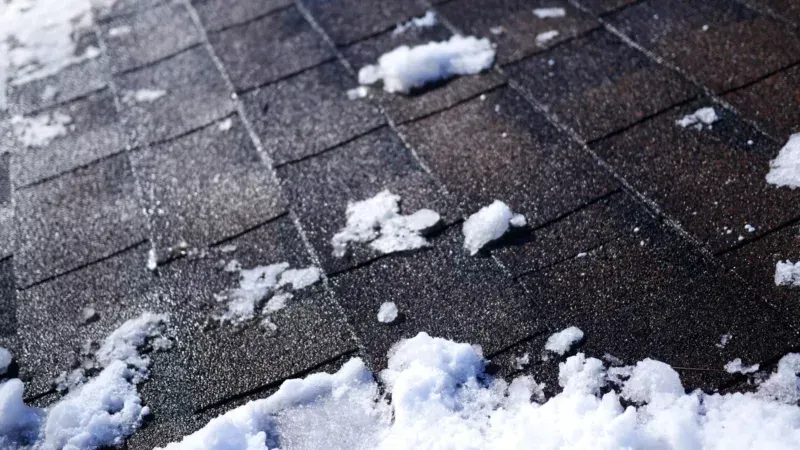
Selecting the ideal roofing material is a major decision for any homeowner. Beyond shielding your home from the weather, your roof influences everything from energy savings and property value to the overall look of your house. With a wide range of materials on the market, finding the right fit for your home can feel overwhelming.
If you live in Waterford, MI, where seasonal storms, snowfall, and high winds are part of the norm, your roof needs to do more than just look good—it has to perform under pressure. That’s why working with a local expert like 180 Contractors Roofing & Siding can make all the difference. Their experienced team helps homeowners choose roofing systems that stand up to Michigan weather while matching your style and budget.
In this guide, we’ll explore the most popular roofing materials, their pros and cons, and which ones are best suited for homes in the Midwest.
Asphalt Shingles
Overview
Asphalt shingles are the most common roofing material in North America. They’re affordable, easy to install, and come in a wide range of colors and styles.
Types
- 3-tab shingles –
Basic, flat, and lightweight
- Architectural shingles – Thicker, more durable, and designed for added curb appeal
Pros
- Cost-effective
- Easy to repair
- Widely available
- Available with wind resistance ratings up to 130 mph
Cons
- Lifespan of 15–30 years
- Prone to damage in extreme heat or rapid freeze-thaw cycles
Best for: Budget-conscious homeowners and standard residential roofs
Metal Roofing
Overview
Metal roofing has grown in popularity thanks to its strength, energy efficiency, and longevity. It’s available in panels or shingles and often made from aluminum, steel, or copper.
Pros
- Lifespan of 40–70 years
- Reflects heat for better energy efficiency
- Excellent resistance to wind, fire, and hail
- Lightweight and easy to install over existing roof in some cases
Cons
- Higher upfront cost
- Can be noisier during heavy rain without adequate insulation
Best for: Homeowners in storm-prone areas or those looking for low-maintenance durability
Wood Shakes and Shingles
Overview
Wood shingles (machine-cut) and shakes (hand-cut) offer a natural, rustic look that ages to a silver-gray color over time.
Pros
- Visually striking
- Natural insulation properties
- Biodegradable and eco-friendly when sourced responsibly
Cons
- High maintenance requirements
- Susceptible to fire, rot, and insects without proper treatment
- Expensive compared to asphalt
Best for:
Homes with a historic or cottage-style aesthetic, where appearance is a top priority
Slate Roofing
Overview
Slate is a natural stone material known for its beauty and durability. It’s one of the longest-lasting roofing materials available.
Pros
- Lifespan of 75–100+ years
- Fireproof and resistant to mold
- Extremely durable against weather
Cons
- Very heavy; requires reinforced roof structure
- High installation costs
- Fragile under foot traffic
Best for: Luxury homes with strong structural support and long-term owners
Synthetic Roofing Materials
Overview
Synthetic roofing materials (such as polymer, rubber, or plastic composites) mimic the appearance of slate, wood, or tile—often at a lower cost and with better performance.
Pros
- Lightweight and flexible
- Impact-resistant and weatherproof
- Long-lasting with minimal maintenance
Cons
- Less natural in appearance than real slate or wood
- Still relatively new—long-term performance varies by brand
Best for: Homeowners who want the look of premium materials without the weight or upkeep
Clay and Concrete Tile
Overview
Common in warmer climates, these tiles are incredibly durable and fire-resistant.
Pros
- Lifespan of 50+ years
- Non-combustible
- Stylish Mediterranean or Spanish look
Cons
- Heavy—requires structural reinforcement
- Can be brittle and break under heavy impact
Best for: Homes with strong framing and architectural compatibility
Flat Roofing Systems (For Low-Slope Areas)
For parts of homes with low-slope or flat roofs (porches, additions, garages), different systems are used:
- TPO (Thermoplastic Polyolefin) –
Lightweight, UV-resistant, and energy efficient
- EPDM (Rubber Roofing) – Long-lasting and easy to install
- Modified Bitumen – Durable and weather-resistant
These are more common in commercial buildings but may be used in residential settings where applicable.
Factors to Consider When Choosing Roofing Materials
1. Climate
In Waterford, MI, roofing materials need to endure:
- Heavy snow and ice
- Strong winds
- Rain and fluctuating temperatures
Top-performing options for this climate include metal roofing, architectural shingles, and well-ventilated asphalt shingle systems.
2. Budget
Asphalt shingles offer the best value for most homeowners, but metal and synthetic options can be a smart long-term investment.
3. Aesthetic Goals
The material you choose should complement your home’s style. For example:
- Victorian homes pair well with slate
- Modern homes suit metal roofing
- Colonials often look best with architectural shingles
4. Maintenance Requirements
Think about how much time and money you’re willing to spend on upkeep. Some materials require regular treatments (like wood), while others (like metal or synthetic) are more hands-off.
5. Longevity
How long do you plan to stay in your home? Investing in a premium material may be worth it if you’ll be there long-term.
Why Work With a Local Roofing Expert?
Choosing the right material is only half the battle—the quality of installation is equally important. Improper installation leads to premature failure, leaks, and costly repairs.
That’s why homeowners in Waterford, MI turn to 180 Contractors Roofing & Siding, a team known for precision, professionalism, and honest recommendations. As a BBB A+ accredited, Guildmaster Award-winning, and Owens Corning Preferred Contractor, they’ll walk you through all your options and help you choose what’s best for your home and budget.
Read also our blog:
Tips to Help You Find the Right Roofer