Vinyl Siding vs. Wood Siding: A Comprehensive Comparison

Choosing the right siding material is a crucial decision for homeowners looking to enhance their home’s exterior, improve energy efficiency, and minimize maintenance costs. Vinyl and wood siding are two of the most popular choices, each offering unique benefits and drawbacks. Understanding their differences helps homeowners make informed decisions based on budget, climate, aesthetic preferences, and long-term durability.
Durability and Longevity
Vinyl Siding
Vinyl siding is engineered for durability and resistance to harsh weather conditions.
- Lifespan: 30-60 years
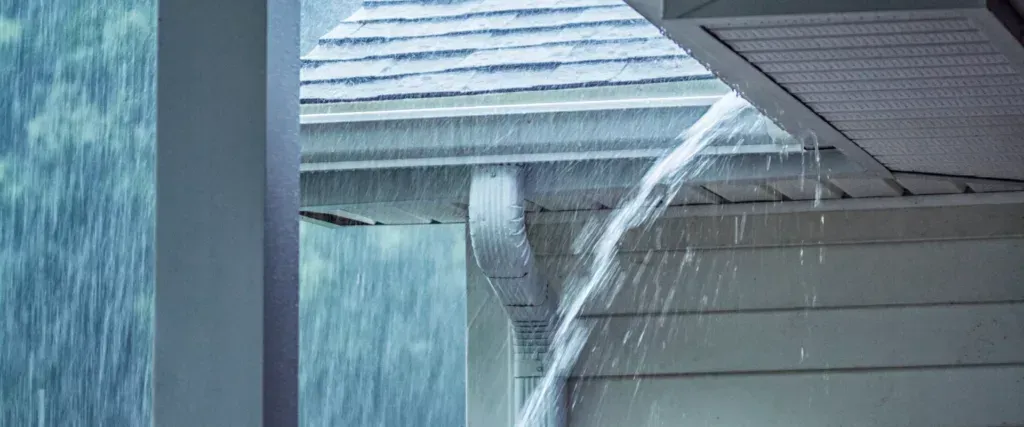
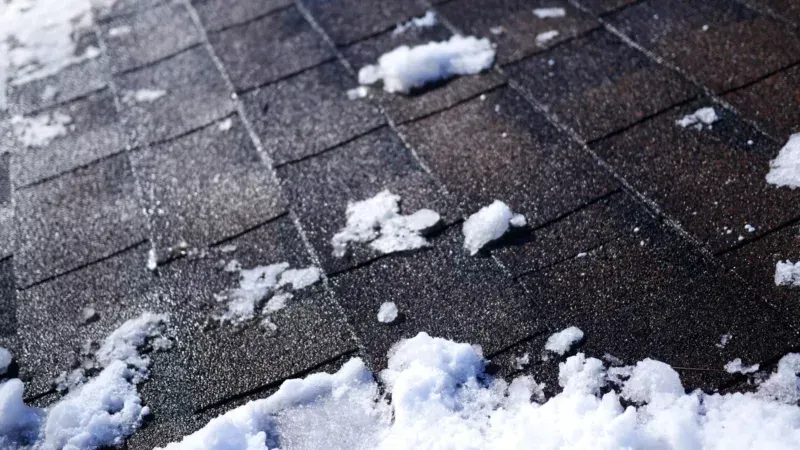
- Weather Resistance: Resistant to rain, snow, and UV rays, preventing warping or rotting
- Pest Resistance: Impervious to termites, woodpeckers, and rodents
- Impact Resistance: Modern vinyl siding is reinforced to withstand minor impacts from debris and hail
Wood Siding
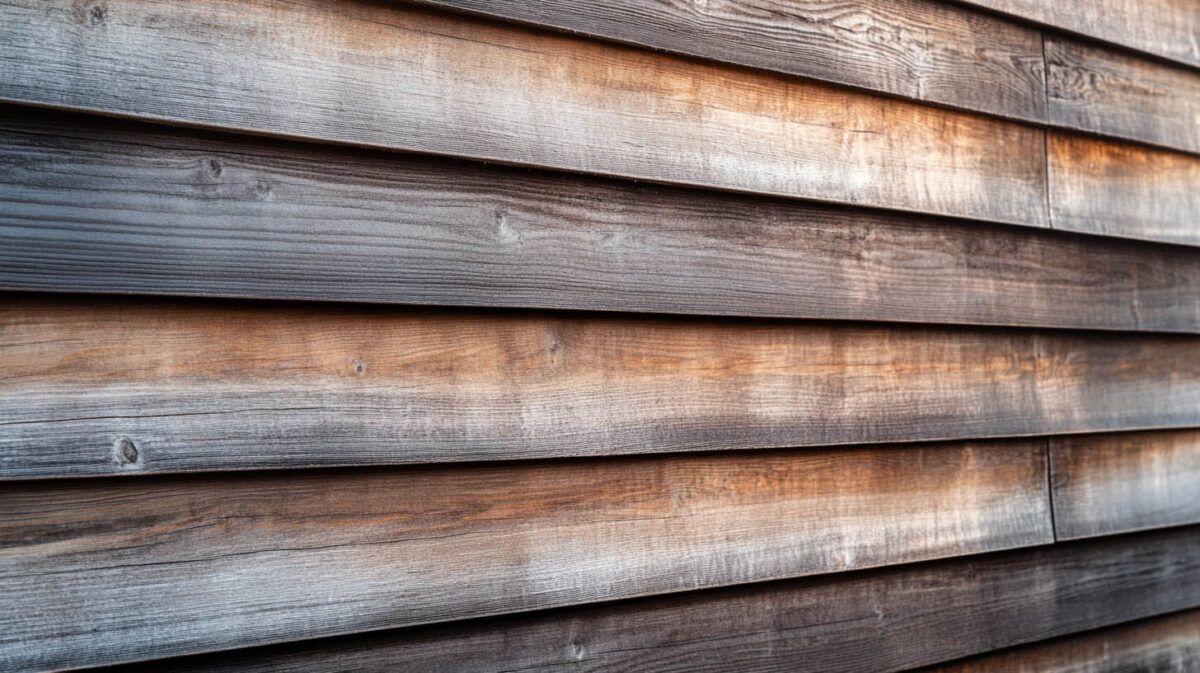
Wood siding is known for its timeless beauty but requires regular maintenance to ensure longevity.
- Lifespan: 20-40 years (with proper maintenance)
- Weather Resistance: Highly susceptible to moisture damage, requiring regular sealing or painting
- Pest Resistance: Vulnerable to termites, carpenter ants, and woodpeckers
- Impact Resistance: Can withstand moderate impacts but is prone to cracking and splitting over time
Maintenance Requirements
Vinyl Siding
One of the biggest advantages of vinyl siding is its low-maintenance nature.
- No need for painting or staining
- Can be cleaned with a garden hose and mild detergent
- Resistant to fading, although darker colors may experience slight discoloration over decades
- Does not require sealing or insect treatments
Wood Siding
Wood siding requires extensive upkeep to prevent deterioration.
- Needs repainting or staining every 2-3 years in harsh climates
- Requires regular inspections for pest infestations
- Must be sealed to prevent moisture penetration and rot
- More prone to mold and mildew growth, requiring periodic cleaning
Energy Efficiency and Insulation
Vinyl Siding
Vinyl siding can be enhanced with insulated backing, improving a home’s energy efficiency.
- Helps reduce thermal transfer, lowering heating and cooling costs
- Can contribute to an overall R-value increase in home insulation
- Works well in various climates, providing year-round temperature regulation
Wood Siding
Wood is a natural insulator, providing better thermal regulation than standard vinyl.
- Offers superior insulation compared to non-insulated vinyl siding
- Requires additional vapor barriers to prevent moisture-related insulation issues
- Can warp or crack due to temperature fluctuations, reducing efficiency over time
Aesthetic Appeal and Customization
Vinyl Siding
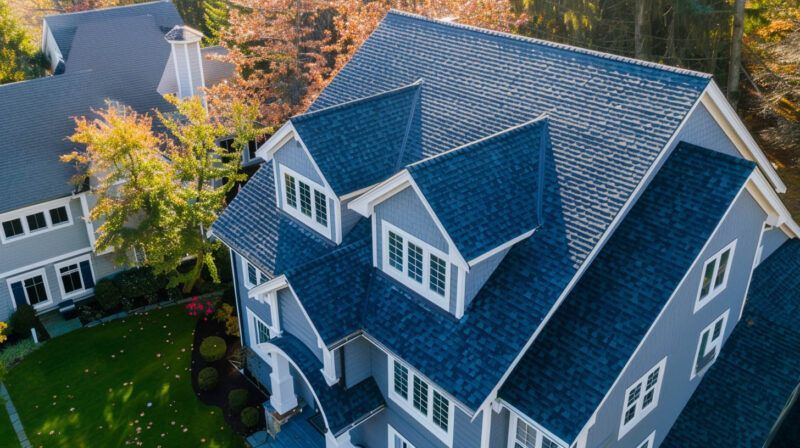
Vinyl siding has evolved significantly, offering diverse styles and colors that mimic natural materials.
- Available in over 300 color choices, with fade-resistant options
- Styles include traditional lap, shake, scalloped, and vertical panels
- Modern high-quality vinyl mimics wood grain textures, offering the appearance of wood without the maintenance
Wood Siding
Wood siding is valued for its authentic, high-end appearance.
- Can be customized with various stains and paint colors
- Offers unique textures and grain patterns that add character to a home
- Can be shaped into beveled, board-and-batten, or cedar shake designs for a more traditional look
Environmental Impact
Vinyl Siding
Vinyl siding is made from polyvinyl chloride (PVC), a material with environmental concerns related to production and disposal.
- Some manufacturers now offer recyclable vinyl siding options
- Produces lower carbon emissions during manufacturing compared to brick or fiber cement
- Does not require deforestation, unlike wood siding
Wood Siding
Wood siding is a renewable resource, making it a more eco-friendly option when sourced responsibly.
- Cedar and redwood are sustainable choices due to their natural resistance to decay
- Can be repurposed or recycled, reducing landfill waste
- Requires chemical treatments for pest control and weatherproofing, which may impact the environment
Cost Comparison
| Siding Type | Average Cost per Square Foot (Installed) | Lifespan | Maintenance Costs |
|---|---|---|---|
| Vinyl | $3 – $8 | 30-60 years | Low ($100-$300 per year) |
| Wood | $7 – $15 | 20-40 years | High ($500-$1,500 per year) |
- Vinyl siding is the most cost-effective option due to its low material and installation costs.
- Wood siding, while initially more expensive, can increase a home’s resale value due to its premium aesthetic.
Best Climate Applications
Vinyl Siding
Vinyl performs well in humid, wet, and moderate climates due to its resistance to moisture and rot. However, in extreme heat, it can warp if not properly installed.
Wood Siding
Wood is best suited for mild or dry climates where moisture exposure is minimal. In humid areas, regular sealing is necessary to prevent deterioration.
Installation Considerations
Proper installation is critical to ensuring siding longevity and efficiency.
Vinyl Siding
- Can be installed over existing siding in some cases
- Requires expansion gaps to allow for thermal movement
- Improper fastening can lead to buckling or wind damage
Wood Siding
- Must be nailed and sealed properly to prevent water infiltration
- Requires a vapor barrier to prevent interior moisture damage
- More complex installation process, increasing labor costs
Professional Siding Installation and Repair
Choosing the right siding is only part of the process—proper installation ensures longevity and protection against the elements.
At 180 Contractors Roofing & Siding, located in Troy, MI, we specialize in high-quality siding installation using materials from leading brands such as James Hardie, Alside, and Everlast. With industry-recognized certifications, including BBB A+ accreditation, Guildmaster (GuildQuality), INC 5000, Google Guaranteed, and Qualified Remodeler Top 100 Satisfaction, we provide expert craftsmanship and durable siding solutions tailored to your home’s needs.
Frequently Asked Questions
Is vinyl siding more durable than wood siding?
Yes, vinyl siding is more resistant to weather, pests, and moisture, while wood siding requires ongoing maintenance to prevent deterioration.
Does wood siding increase home value?
Yes, wood siding can enhance a home’s resale value, particularly in high-end or historic neighborhoods.
Can vinyl siding be painted?
Vinyl siding can be painted using vinyl-safe paint, but most homeowners choose not to since the color is embedded into the material.
How often does wood siding need to be repainted?
Wood siding typically needs to be repainted or stained every 2-5 years, depending on climate conditions.
What is the best siding for a humid climate?
Vinyl siding is ideal for humid areas due to its resistance to mold and moisture damage.
Conclusion
Vinyl and wood siding each offer unique advantages, with vinyl being the best choice for low maintenance and affordability, while wood provides a high-end, customizable appearance. Homeowners should consider cost, climate, maintenance, and aesthetic preferences before making a final decision. Proper installation ensures maximum longevity, protecting your home for years to come.
Read also our blog:
Advantages and Disadvantages of Vinyl Siding for Your Home
GET A FREE QUOTE
We will get back to you as soon as possible.
Please try again later.
Recent Posts