Best Siding Options for Your Home: A Complete Guide
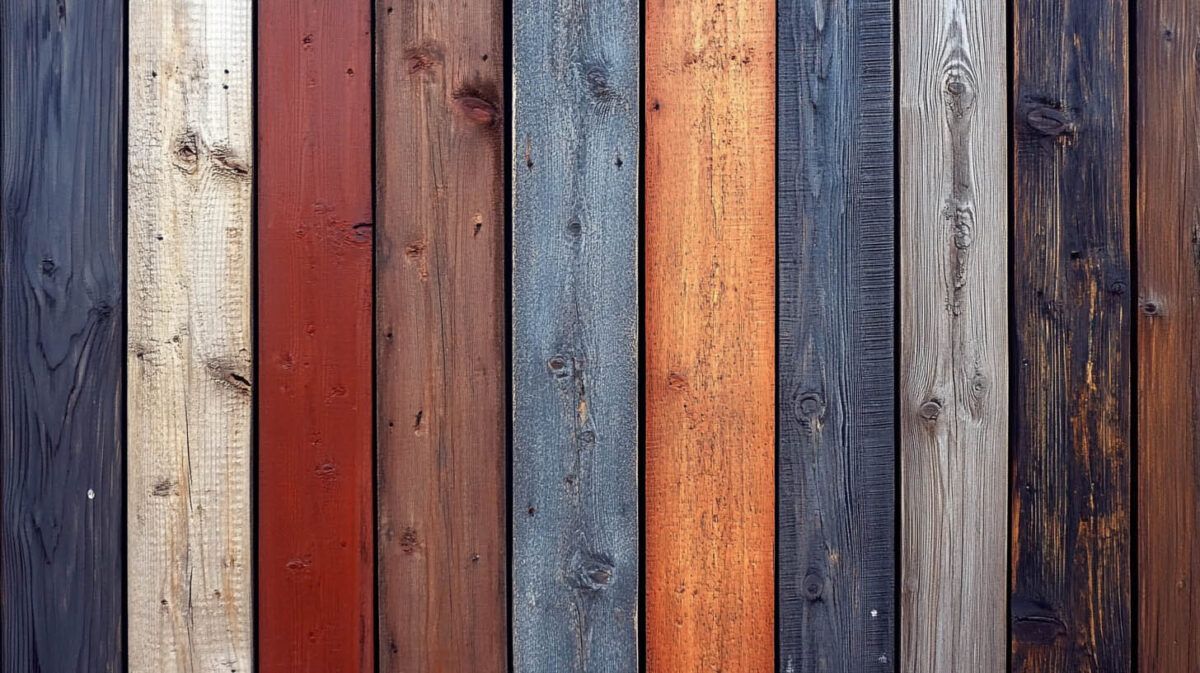
Choosing the right siding for your home is a crucial investment that impacts curb appeal, durability, energy efficiency, and overall value. With multiple options available, each with its own advantages and disadvantages, homeowners must carefully evaluate the best material for their needs. This guide compares the most popular siding materials, detailing their characteristics, benefits, and drawbacks to help you make an informed decision.
1. Vinyl Siding: Affordable and Low Maintenance
Overview
Vinyl siding is one of the most widely used materials due to its cost-effectiveness, ease of installation, and minimal maintenance requirements. Available in a variety of colors and textures, it can mimic the appearance of wood without the high maintenance costs.
Advantages
- Budget-friendly – Lower material and labor costs compared to other options.
- Low maintenance – Requires only occasional cleaning with a hose or mild detergent.
- Moisture-resistant – Prevents mold and mildew growth.
- Variety of styles – Comes in multiple textures and colors, including wood grain patterns.
Disadvantages
- Prone to fading – Prolonged sun exposure can cause discoloration over time.
- Less durable – Susceptible to cracking, denting, and warping in extreme weather.
- Artificial appearance – Lacks the authentic look of wood or stone siding.
Best for:
- Homeowners on a budget.
- Low-maintenance exterior solutions.
- Rental properties or entry-level homes.
2. Wood Siding: Classic and Timeless
Overview
Wood siding offers a traditional, high-end aesthetic, making it a popular choice for historic homes and cottages. It can be customized with different stains and paints but requires diligent maintenance to prevent weather damage.
Advantages
- Natural beauty – Provides an elegant, timeless appearance.
- Customizable – Can be painted or stained in any color.
- Environmentally friendly – Biodegradable and sustainable when sourced responsibly.
Disadvantages
- High maintenance – Requires regular painting, staining, and sealing.
- Vulnerable to pests – Termites, carpenter ants, and woodpeckers can cause damage.
- Fire risk – Requires treatment to enhance fire resistance.
Best for:
- Traditional, historic, or rustic-style homes.
- Homeowners who can commit to regular maintenance.
- Those looking for a natural and customizable aesthetic.
3. Brick Siding: Durable and Energy-Efficient
Overview
Brick siding is a long-lasting, fire-resistant material that provides an elegant, classic look. Often used in Colonial, Tudor, and English cottage homes, brick siding can last for generations with minimal upkeep.
Advantages
- Extremely durable – Can last over 100 years.
- Fire-resistant – Non-combustible and provides excellent safety.
- Energy-efficient – Natural insulation helps regulate indoor temperatures.
Disadvantages
- High installation cost – Requires skilled masonry, increasing labor costs.
- Moisture retention – Must be properly sealed to prevent water damage.
- Limited customization – Difficult to repaint or change appearance.
Best for:
- Homeowners seeking long-term durability.
- Colonial, Tudor, or historic-style homes.
- Areas prone to extreme weather conditions.
4. Stucco Siding: Energy-Efficient but Fragile
Overview
Stucco is a cement-based material that creates a smooth, textured exterior commonly found in Mediterranean, Spanish, and Southwestern-style homes. It provides good insulation but can be prone to cracking in wet climates.
Advantages
- Low maintenance – Resists fire, pests, and rot.
- Energy-efficient – Natural insulation reduces heating and cooling costs.
- Customizable finishes – Available in multiple textures and colors.
Disadvantages
- Prone to cracking – Requires regular inspections and repairs.
- Moisture-sensitive – Absorbs water if not properly sealed.
- High installation cost – Labor-intensive application increases expenses.
Best for:
- Dry, warm climates.
- Homes with a Mediterranean or Spanish architectural style.
- Homeowners seeking a unique, textured finish.
5. Stone Veneer Siding: Elegant but Expensive
Overview
Stone siding, whether natural or manufactured, adds a luxurious and sophisticated touch to a home’s exterior. It is one of the most durable materials available but requires significant investment.
Advantages
- Aesthetic appeal – Provides a high-end, elegant appearance.
- Highly durable – Resists extreme weather, pests, and fire.
- Low maintenance – Requires little upkeep compared to wood or stucco.
Disadvantages
- Expensive – High material and installation costs.
- Heavyweight – Requires strong structural support.
- Limited availability – Certain natural stones may be difficult to source.
Best for:
- High-end homes seeking a premium look.
- Accent features on mixed-material exteriors.
- Homeowners willing to invest in a long-lasting option.
6. Fiber Cement Siding: Versatile and Long-Lasting
Overview
Fiber cement siding, such as James Hardie siding, offers a balance of affordability, durability, and aesthetic appeal. Designed to withstand extreme weather conditions, fiber cement is a leading choice for modern homeowners.
Advantages
- Highly durable – Resists fire, pests, and extreme temperatures.
- Customizable appearance – Mimics wood, stucco, or stone with long-lasting color finishes.
- Low maintenance – Holds up well without requiring frequent repainting.
Disadvantages
- Higher initial cost – More expensive than vinyl but offers better longevity.
- Professional installation required – Labor-intensive installation process.
Best for:
- Homeowners seeking a balance between durability and aesthetics.
- Any architectural style, as fiber cement adapts well to various designs.
- Climates with extreme weather conditions.
Choosing the Best Siding for Your Home
When selecting the best siding material, consider the following factors:
- Budget – Vinyl and stucco are more affordable, while stone and brick require significant investment.
- Climate – Wet climates should avoid wood and stucco, while fiber cement performs well in all conditions.
- Maintenance – Those looking for low-maintenance options should consider fiber cement or vinyl.
- Durability – Brick, stone, and fiber cement offer the longest lifespan and best protection.
Why Choose 180 Contractors Roofing & Siding?
For homeowners seeking expert siding installation, 180 Contractors Roofing & Siding, located in Rochester Hills, MI, provides top-tier craftsmanship and premium materials. Our industry-recognized certifications include BBB A+ accreditation, Guildmaster (GuildQuality), INC 5000, Google Guaranteed, and Qualified Remodeler Top 100 Satisfaction. We partner with leading brands like James Hardie, Alside, and Everlast, ensuring superior durability, aesthetics, and long-term value for every project.
Frequently Asked Questions (FAQs)
1. What is the most durable siding material?
Brick, stone, and fiber cement siding offer the longest lifespan, often exceeding 50 years.
2. What is the most cost-effective siding option?
Vinyl siding provides the best balance of affordability and low maintenance.
3. What is the best siding for extreme weather conditions?
Fiber cement siding is designed to withstand high winds, heavy rain, and temperature fluctuations.
4. How often does siding need to be replaced?
Most siding materials last between 20-50 years, depending on maintenance and environmental conditions.
5. Can I mix different siding materials?
Yes, combining materials like stone veneer with fiber cement or brick can create a visually appealing exterior.
Conclusion
Choosing the right siding depends on budget, climate, durability, and maintenance preferences. Whether opting for cost-effective vinyl, elegant stone veneer, or resilient fiber cement, investing in high-quality siding enhances your home’s appearance and protection. Working with professional installers ensures expert craftsmanship and long-term value.
Read also our blog:
Comparing the Best Home Siding Materials: Pros, Cons, and Recommendations
GET A FREE QUOTE
We will get back to you as soon as possible.
Please try again later.
Recent Posts