Selecting the right siding for a home is a critical decision that affects its appearance, durability, and cost. While high-end materials offer superior aesthetics and longevity, they can be expensive. A strategic approach is to combine multiple siding materials, achieving a visually striking look while keeping costs under control. Using a blend of vinyl, brick, and cultured stone, homeowners can create a custom exterior that balances affordability and style.
Cost-Effective Siding Choices for Maximum Savings
Vinyl Siding: A Budget-Friendly Solution
Vinyl siding is one of the most cost-effective materials available for home exteriors. It is lightweight, easy to install, and requires minimal maintenance. Additionally, vinyl is resistant to moisture, pests, and extreme weather conditions.
Many homeowners choose vinyl siding for the majority of their home’s exterior while integrating premium materials in select areas. This strategy reduces expenses while still incorporating high-end accents. Vinyl is also available in a wide variety of colors and textures, allowing it to mimic other materials such as wood or stone.
Brick Siding: A Timeless and Durable Choice
Brick is a premium siding material known for its durability, fire resistance, and classic appearance. However, full brick siding can be expensive due to material and labor costs. A cost-effective alternative is to use brick in key areas, such as:
- The lower portion of exterior walls
- Entryways and front-facing walls
- Chimneys and outdoor fireplaces
Pairing brick with vinyl siding ensures a refined aesthetic while minimizing expenses.
Cultured Stone: The Modern Aesthetic Upgrade
Cultured stone is a manufactured alternative to natural stone that provides the same elegant appearance at a fraction of the cost. It is often used for accent walls, columns, or around entryways to add texture and visual interest.
Cultured stone pairs well with both vinyl and brick, creating a sophisticated contrast. Homeowners frequently use stone as a focal point in key areas, reducing the overall amount required while maximizing visual impact.
Strategic Combinations for Cost Savings and Curb Appeal
Classic and Budget-Friendly: Vinyl with Brick Accents
This combination is ideal for homeowners who want the traditional look of brick without the full expense. A common design includes brick covering the lower half of the home, with vinyl siding on the upper portion. This approach maintains durability while reducing costs.
Modern and Elegant: Vinyl and Cultured Stone
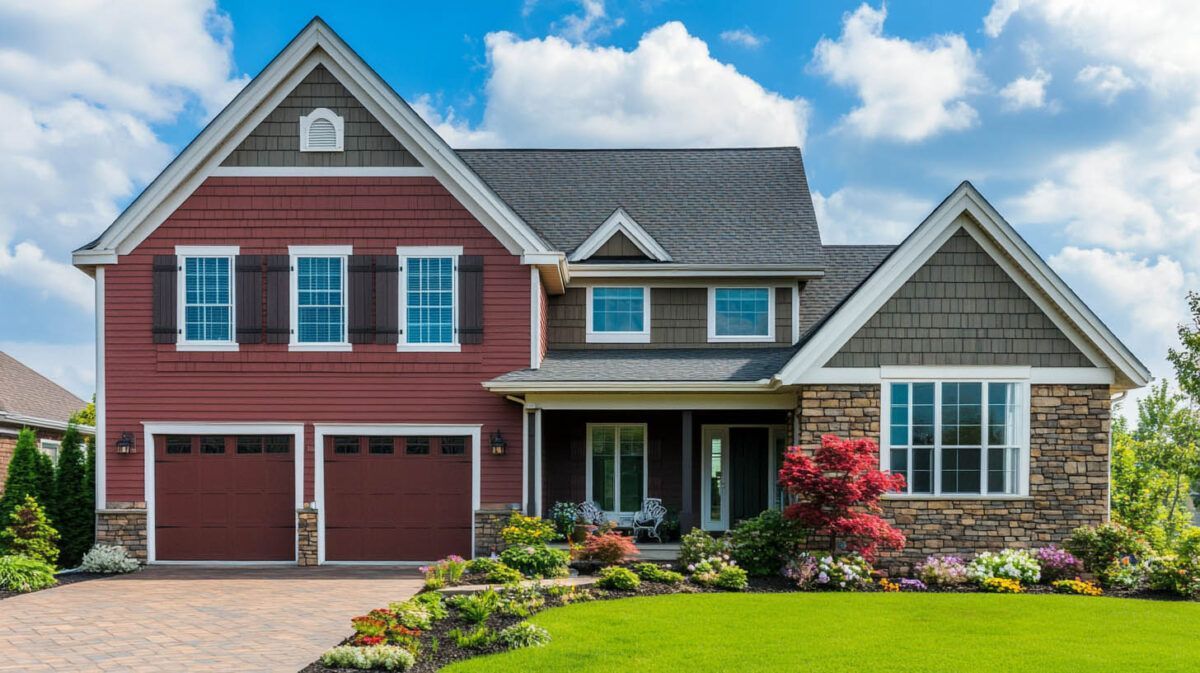
For a contemporary look, integrating cultured stone with vinyl siding is an excellent choice. Stone accents around windows, doors, and entryways create a luxurious appearance without requiring a full stone façade. Light-colored vinyl can enhance the contrast, making the stone features stand out.
Bold and Distinctive: Multi-Material Combination
Some homeowners prefer a blend of all three materials—vinyl, brick, and cultured stone. A well-executed mix can provide:
- A durable brick foundation
- Cost-effective vinyl coverage for large wall areas
- Cultured stone accents to add depth and variety
This approach allows for high-end design features without exceeding budget constraints.
Practical Tips for Selecting and Combining Siding Materials
1. Consider Long-Term Maintenance Costs
While vinyl requires minimal maintenance, brick and stone need occasional care to preserve their appearance. Mortar in brick siding may require repointing, and cultured stone should be sealed periodically to prevent moisture absorption.
2. Choose Colors That Complement Each Material
When combining siding materials, selecting complementary colors is essential. Neutral tones such as beige, gray, or white provide a balanced look, while darker hues create a bold contrast. Homeowners should test color samples in natural lighting to see how they will appear on their home’s exterior.
3. Work with Experienced Installers
Proper installation is crucial to ensure that siding materials blend seamlessly. Professional contractors can provide guidance on the best combination of materials based on climate, home design, and budget.
4. Focus on Key Architectural Features
Strategic placement of premium materials can maximize their impact. For example, stone or brick around entryways, garage doors, and bay windows creates a high-end look without requiring full coverage.
5. Balance Aesthetics with Functionality
While visual appeal is important, siding should also provide durability and insulation. Energy-efficient siding materials reduce heating and cooling costs, making them a worthwhile investment.
The Role of High-Quality Installation
Working with a reputable contractor ensures that siding materials are installed correctly for longevity and visual appeal. At 180 Contractors Roofing & Siding in Waterford, MI, we specialize in expert siding installation, offering top-tier craftsmanship with a focus on quality and durability. Our credentials include BBB A+ accreditation, Guildmaster (GuildQuality), INC 5000, Google Guaranteed, and Qualified Remodeler Top 100 Satisfaction. We partner with leading brands such as James Hardie, Alside, and Everlast, ensuring homeowners receive premium materials for their projects.
Frequently Asked Questions (FAQs)
1. Is mixing different siding materials a good idea?
Yes, combining siding materials allows homeowners to achieve a high-end look while reducing costs. Strategic placement of premium materials enhances curb appeal without requiring a full exterior upgrade.
2. How can I choose the right combination of siding materials?
Consider your budget, climate, and personal style preferences. Vinyl is a great base material, while brick and stone add character and durability to specific areas.
3. Will using multiple siding materials increase home value?
Yes, a well-designed combination of siding materials can boost curb appeal and property value. Brick and stone features are particularly attractive to potential buyers.
4. What maintenance is required for homes with mixed siding?
Vinyl siding requires occasional cleaning, while brick and stone may need periodic sealing or mortar repair. Regular inspections help maintain the integrity of all materials.
5. How do I ensure a seamless look when mixing siding types?
Professional installation is key. Choosing complementary colors and textures also helps create a cohesive appearance.
Conclusion
Combining exterior siding materials is an effective way to enhance a home’s curb appeal while keeping costs manageable. By strategically mixing vinyl, brick, and cultured stone, homeowners can create a durable, stylish, and budget-friendly exterior. Selecting the right materials, focusing on key architectural features, and working with skilled professionals ensures a visually stunning and long-lasting result.
Read also our blog:
Brick vs. Metal Siding: Which Is the Best Choice for Your Home?