Maximizing Home Design With Mixed Siding Materials
Homeowners looking to upgrade their exteriors often face the challenge of balancing cost, durability, and visual appeal. While high-end siding materials like brick or stone add timeless elegance, they can be expensive when used across an entire home. By strategically combining multiple siding materials, homeowners can achieve a high-end look without exceeding their budget.
Cost-Effective Siding Combinations
Vinyl Siding: The Budget-Friendly Base
Vinyl siding is one of the most economical siding materials available. It offers:
- Affordability –
One of the lowest-cost siding options on the market.
- Low Maintenance –
Resistant to moisture, rot, and insect damage, requiring minimal upkeep.
- Versatility – Available in a wide range of colors and styles.
Many homeowners use vinyl siding as the primary material for large surface areas while incorporating premium materials as accents. This approach ensures cost savings without sacrificing curb appeal.
Brick Siding: A Durable and Classic Accent
Brick is a timeless siding choice, known for its:
- Longevity –
Lasts over 100 years with minimal maintenance.
- Weather Resistance –
Withstands extreme weather conditions, including wind, rain, and heat.
- Energy Efficiency – Naturally insulates homes, reducing heating and cooling costs.
Due to its cost, brick is often used for the lower portion of a home’s exterior, providing a strong, elegant foundation while the upper areas are covered with a more affordable material like vinyl.
Cultured Stone: The Modern High-End Touch
Cultured stone, or manufactured stone veneer, is a popular alternative to natural stone, offering:
- Aesthetic Appeal – Mimics the appearance of natural stone at a fraction of the cost.
- Lightweight Construction – Easier to install compared to real stone.
- Design Flexibility – Works well as an accent around entryways, corners, or chimneys.
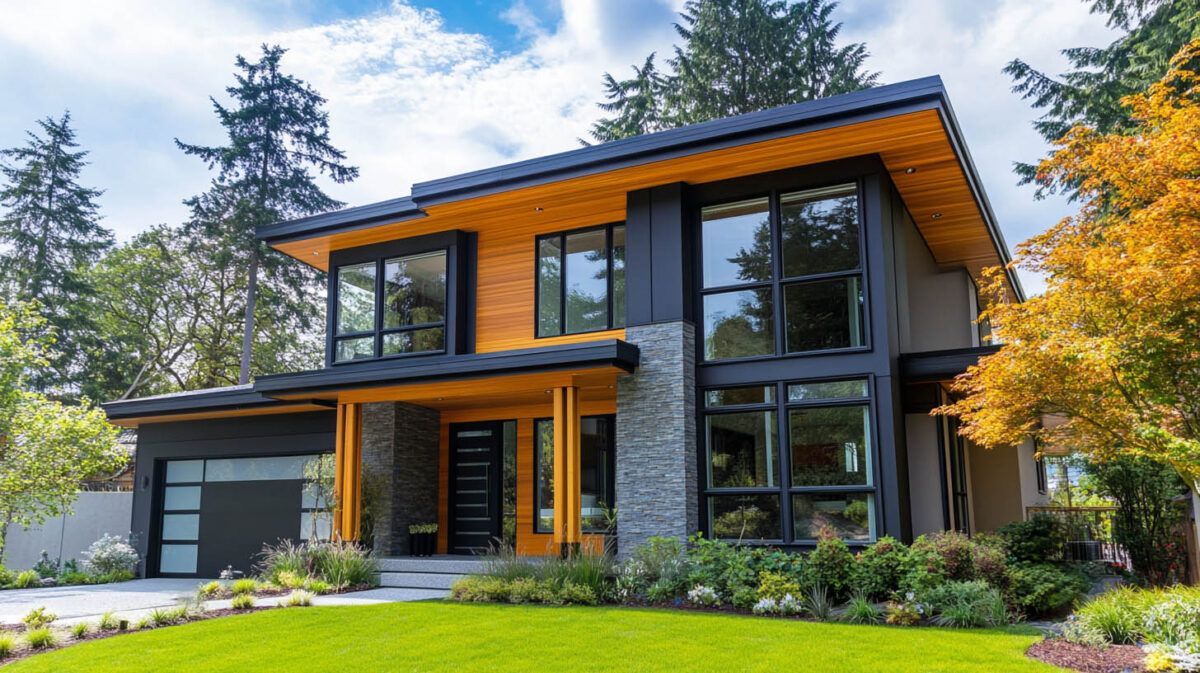
Using cultured stone in combination with brick and vinyl creates a sophisticated exterior without the price tag of full stone siding.
Benefits of Mixing Siding Materials
1. Cost Savings Without Compromising Style
By pairing an affordable base siding with premium accents, homeowners can achieve an upscale look while staying within budget. Vinyl or fiber cement siding serves as a cost-effective backdrop, while brick or stone is strategically placed to create visual interest.
2. Enhanced Curb Appeal and Property Value
Mixing siding materials adds dimension and character to a home’s exterior. The contrast between textures and colors makes a property stand out and increases resale value. Many buyers find homes with mixed siding more attractive due to the customized aesthetic.
3. Improved Durability and Performance
Different siding materials have varying strengths. By combining them, homeowners can maximize their home’s resistance to the elements. For example:
- Brick on the lower portion protects against moisture and impact damage.
- Vinyl or fiber cement siding on the upper portion reduces costs while providing weather resistance.
- Cultured stone accents highlight architectural features.
4. Energy Efficiency and Insulation
Brick and stone have superior thermal mass, helping regulate indoor temperatures. By using these materials in key areas, homeowners can enhance insulation without covering the entire home in expensive siding. Pairing these with insulated vinyl siding further boosts energy efficiency.
How to Combine Siding Materials Effectively
1. Choose a Balanced Design Approach
Siding materials should complement each other rather than compete. Common design strategies include:
- Bottom Brick, Top Vinyl – A classic look that adds durability where it’s needed most.
- Cultured Stone Entryway Accents – Enhances the front-facing portion of the home.
- Mixed Gables and Walls –
Using different materials for gable ends and main walls adds visual appeal.
2. Stick to a Coordinated Color Palette
Combining siding materials works best when colors are harmonious. Recommended approaches include:
- Neutral palettes – Earth tones, grays, and beiges blend seamlessly.
- Contrasting accents – Dark brick with light siding creates depth.
- Natural textures – Stone and wood-look siding complement each other well.
3. Work With a Professional Siding Contractor
A well-planned mixed siding installation requires expert craftsmanship. Proper flashing, transitions, and material integration ensure the home remains weather-tight and visually cohesive.
Industry-Leading Expertise in Siding Solutions
At 180 Contractors Roofing & Siding, we specialize in providing top-tier siding installations tailored to homeowners’ needs in Rochester Hills, MI. Our team holds certifications such as BBB A+ accreditation, Guildmaster recognition, and inclusion in the INC 5000 list. We collaborate with leading brands, including James Hardie, Alside, and Everlast, to deliver long-lasting, high-quality siding solutions.
Frequently Asked Questions
1. Can I combine different siding materials without compromising durability?
Yes, strategic placement of materials ensures durability while maintaining an appealing design. Brick and stone can be used in high-impact areas, while vinyl or fiber cement can cover larger sections.
2. What is the best way to transition between different siding materials?
Proper flashing, trim, and transition strips help create a seamless look between materials. A professional contractor can ensure that transitions are watertight and visually appealing.
3. Will mixing siding materials increase my home’s resale value?
Yes, a well-executed combination of siding materials enhances curb appeal, making the home more attractive to buyers and increasing its overall market value.
4. What are some common mixed siding combinations?
Popular combinations include:
- Brick lower walls with vinyl upper walls
- Cultured stone entryway with fiber cement siding
- Board and batten gables with horizontal lap siding
5. Is it more expensive to combine different siding materials?
Not necessarily. Using high-end materials only in key areas helps achieve a premium look while keeping costs manageable. The right mix can provide long-term savings through durability and energy efficiency.
Conclusion
Combining exterior siding materials allows homeowners to create a stunning, high-end look without overspending. By strategically using vinyl, brick, and cultured stone, it’s possible to achieve durability, energy efficiency, and enhanced curb appeal. Choosing the right combination of materials ensures long-term value while keeping costs under control.
Read also our blog:
Brick vs. Metal Siding: Which Is the Better Choice for Your Home?