Metal Siding for Homes: Durability, Efficiency, and Style

180 Contractors • April 18, 2025
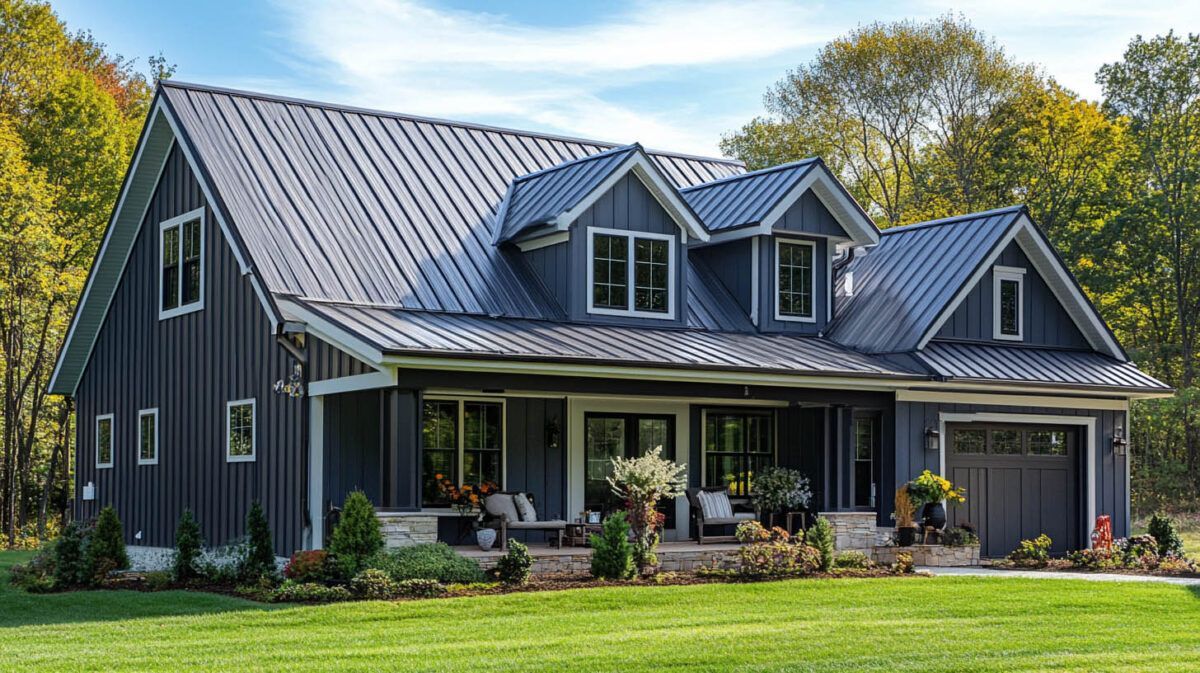
Dark blue farmhouse with metal roof and dormer windows, set in a green lawn with trees behind.

The Evolution of Metal Siding in Residential Construction

Metal siding has long been associated with industrial and agricultural buildings, but advances in materials and manufacturing have made it a viable and attractive option for residential properties. Homeowners now choose metal siding for its durability, energy efficiency, and low maintenance, making it a strong competitor against traditional options like vinyl, wood, and brick.


Benefits of Metal Siding for Homes

1. Weather Resistance and Durability

Metal siding provides superior protection against extreme weather conditions, including heavy rain, strong winds, snow, and hail. Unlike wood, which can rot or warp, or vinyl, which can crack in extreme temperatures, metal siding maintains its integrity for decades.

  • Rust-Resistant Coatings – Modern metal siding is treated with protective coatings, such as galvanized zinc or aluminum-zinc alloys, preventing rust and corrosion even in humid or coastal environments.
  • Impact Resistance – High-quality steel and aluminum siding can withstand hail and debris impact better than other siding materials, reducing repair and replacement costs.
  • Fire Resistance – Metal siding is naturally fire-resistant, providing an extra layer of safety, especially in wildfire-prone regions.


2. Energy Efficiency and Insulation

Metal siding helps regulate indoor temperatures, contributing to energy savings throughout the year.

  • Reflective Properties – Light-colored or specially coated metal siding reflects solar heat, keeping homes cooler in the summer.
  • Insulated Metal Panels – Adding an insulation backing to metal siding improves thermal performance, preventing heat loss in winter and reducing cooling needs in summer.
  • Lower Energy Bills – Studies show that energy-efficient siding can reduce heating and cooling costs by up to 15%.


3. Low Maintenance Requirements

Homeowners seeking a siding option that requires minimal upkeep will benefit from metal siding.

  • Easy to Clean – Unlike wood, which needs repainting, or brick, which requires repointing, metal siding can be cleaned with simple soap and water or a power wash every few years.
  • No Rot, Mold, or Pest Damage – Metal is impervious to termites, rodents, and mold growth, ensuring long-term durability without frequent maintenance.
  • Fade-Resistant Finishes – High-quality metal siding is coated with fade-resistant paints that can maintain their color for decades without peeling or chipping.


4. Versatile Aesthetic Options

Modern metal siding is available in various textures, colors, and finishes, allowing homeowners to achieve the look they desire.

  • Woodgrain Textures – Metal siding can be designed to mimic the appearance of natural wood while offering superior durability.
  • Matte and Gloss Finishes – Homeowners can choose from sleek, contemporary matte finishes or high-gloss options to match their design preferences.
  • Vertical and Horizontal Panels – Metal siding can be installed in different orientations, adding architectural interest to a home’s exterior.


Comparing Metal Siding to Other Siding Materials

1. Metal Siding vs. Vinyl Siding

Feature Metal Siding Vinyl Siding
Durability Lasts 40-70 years Lasts 20-30 years
Maintenance Low (occasional cleaning) Moderate (can crack, fade)
Fire Resistance Non-combustible Can melt in high heat
Energy Efficiency Reflects heat, can be insulated Requires additional insulation
Aesthetic Options Various colors, textures, woodgrain finishes Wide variety of colors and textures
Cost Higher upfront cost, long-term savings ower initial cost, higher replacement frequency

2. Metal Siding vs. Wood Siding

Feature Metal Siding Wood Siding
Lifespan 40-70 years 20-40 years
Maintenance Virtually maintenance-free Requires regular painting, staining
Weather Resistance Resists moisture, rust-proof coatings Susceptible to rot and pests
Fire Resistance Fireproof Flammable
Cost Moderate to high High (installation and maintenance)

Popular Types of Metal Siding

1. Aluminum Siding

Aluminum siding is lightweight, corrosion-resistant, and ideal for coastal areas where salty air can cause other materials to deteriorate. It is also an eco-friendly option, as aluminum is 100% recyclable.


2. Steel Siding

Steel siding offers superior strength and impact resistance. It is often coated with protective finishes like Galvalume to prevent rusting and enhance durability. Steel siding is ideal for homeowners in areas prone to severe storms and high winds.


3. Corrugated Metal Siding

Corrugated metal panels provide a distinctive, modern-industrial look. These panels are often used for accent walls or full-home exteriors in contemporary home designs.


4. Standing Seam Metal Siding

Standing seam metal panels feature concealed fasteners, offering a sleek, streamlined appearance with enhanced weather resistance. This type of siding is often chosen for high-end residential projects.


Expert Installation Matters

Proper installation is essential for maximizing the benefits of metal siding. Poorly installed panels can lead to moisture infiltration, improper ventilation, and structural issues. Working with a professional siding contractor ensures:

  • Precision Fit and Finish – Preventing gaps, misalignments, and loose panels.
  • Weatherproofing Techniques – Correct use of flashing and sealants to prevent leaks.
  • Thermal Expansion Consideration – Allowing for natural expansion and contraction to avoid warping.


Our Commitment to Quality

At 180 Contractors Roofing & Siding, located in Waterford, MI, we specialize in premium metal siding installations that combine durability, efficiency, and aesthetics. Our expertise has earned us BBB A+ accreditation, Guildmaster recognition, and inclusion in the INC 5000 list. We partner with top brands, including James Hardie, Alside, and Everlast, to provide industry-leading materials for long-lasting results.


Frequently Asked Questions

1. Does metal siding rust over time?

No, high-quality metal siding is treated with protective coatings that prevent rust and corrosion, even in humid and coastal environments.


2. How long does metal siding last?

Metal siding can last between 40 to 70 years, depending on the material type and maintenance. Properly coated steel and aluminum siding can exceed 50 years of lifespan.


3. Is metal siding energy efficient?

Yes, metal siding reflects solar heat, keeping homes cooler in summer. When combined with insulation backing, it enhances energy efficiency in both hot and cold climates.


4. Can metal siding be painted?

Yes, metal siding can be repainted with specialized exterior-grade paints designed for metal surfaces. However, many metal siding products come with factory-applied coatings that last for decades without needing repainting.


5. Is metal siding noisy in the rain?

No, properly installed metal siding, combined with insulation and sheathing, minimizes noise. Unlike metal roofing, siding is mounted to solid walls, reducing sound transmission.


Conclusion

Metal siding is a durable, low-maintenance, and energy-efficient choice for homeowners seeking long-lasting protection and modern aesthetics. With various styles and finishes available, metal siding can enhance any home’s curb appeal while providing superior resistance to harsh weather conditions. By choosing high-quality materials and expert installation, homeowners can enjoy decades of performance and savings.


Read also our blog: Combining Exterior Siding Materials to Enhance Aesthetics and Save Money
GET A FREE QUOTE

Share this article

Recent Posts

Aerial view of a large blue-gray house with dormer windows and a landscaped yard in autumn
By 180 Contractors May 14, 2026
Your roof works silently year after year, shielding your home from rain, wind, sun, and snow. But like every part of your home, it doesn’t last forever. The key is knowing when repair is no longer enough—and a full roof replacement is the smarter, safer move. For homeowners in Bloomfield Hills, MI, where intense season
Rainwater pouring from a house roof and gutter during a storm
By 180 Contractors April 13, 2026
Michigan weather can be tough on homes, especially when it comes to your roof. From heavy snow in the winter to strong thunderstorms in the summer, each season brings conditions that can wear down roofing materials over time. Knowing how these storms affect your roof can help you catch problems early and avoid more ser
Snow piled on a dark shingled roof, with scattered patches of snow across the surface.
By 180 Contractors March 3, 2026
If you’ve lived through a Michigan winter, you know your roof takes a beating. Between heavy snowfall, freezing rain, fluctuating temperatures, and strong winds, winter weather can quietly wear down even a well-built roofing system. By the time spring arrives, many homeowners are surprised to learn that damage has alre