Metal siding is an increasingly popular choice for residential homes due to its durability, energy efficiency, and low maintenance. While traditionally associated with industrial and commercial buildings, modern advancements in metal siding design and manufacturing have made it a versatile and attractive option for homeowners. From weather resistance to aesthetic appeal, metal siding offers a range of benefits that make it a strong contender against traditional siding materials such as wood, vinyl, and brick.
Durability and Longevity of Metal Siding
Resistant to Rust and Corrosion
One of the biggest concerns homeowners have about metal siding is rust. High-quality metal siding is manufactured with protective coatings such as galvanized steel, aluminum, or zinc to prevent corrosion. These coatings ensure that metal siding remains resilient even in humid and coastal environments, where moisture exposure is high. Many manufacturers also apply additional sealants that extend the lifespan of metal siding by protecting it from oxidation and environmental pollutants.
Impact Resistance and Structural Integrity
Metal siding is designed to withstand harsh weather conditions, including heavy rain, snow, high winds, and hail. Unlike vinyl, which can crack or warp under extreme temperatures, metal siding retains its structure and integrity. Steel siding, in particular, is fire-resistant and pest-proof, making it an excellent choice for homeowners looking for a long-term investment.
Low Maintenance and Self-Cleaning Properties
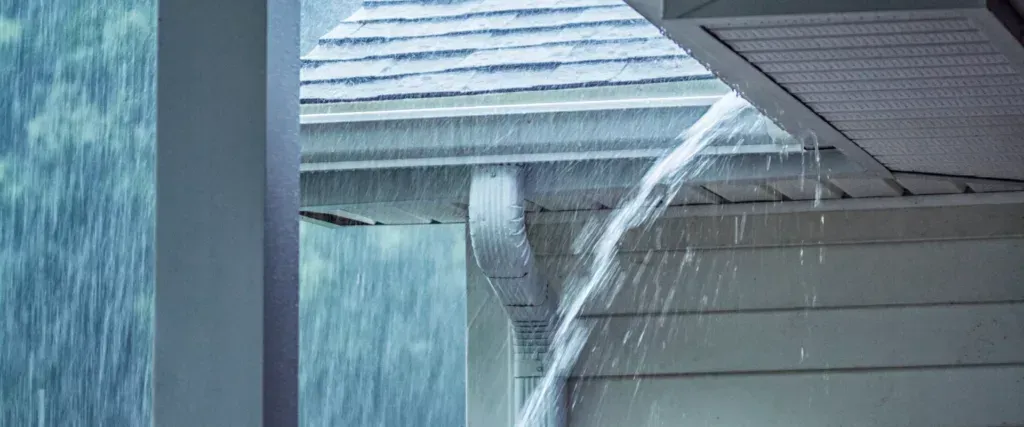
Unlike wood siding, which requires frequent staining and sealing, metal siding requires minimal upkeep. Rain naturally washes away dirt and debris, reducing the need for power washing or professional cleaning. If deeper cleaning is required, a simple mixture of soap and water is enough to remove any buildup.
Energy Efficiency and Environmental Benefits
Superior Insulation and Energy Savings
Metal siding contributes to energy efficiency by reflecting solar radiation, which helps keep homes cooler in the summer. When paired with a high-quality insulation system, metal siding provides superior thermal regulation, reducing heating and cooling costs throughout the year.
According to the U.S. Department of Energy, homes with reflective metal siding and roofing can reduce cooling costs by up to 25%. Additionally, steel siding is often manufactured with recycled materials, making it an eco-friendly alternative to traditional siding options.
Sustainable and Recyclable
Metal siding is one of the most environmentally friendly building materials available. Unlike vinyl siding, which is made from non-biodegradable plastics, metal siding can be 100% recycled at the end of its lifespan. Many manufacturers produce metal siding with post-consumer recycled content, reducing waste and promoting sustainability in home construction.
Design Versatility and Aesthetic Appeal
A Wide Range of Styles and Finishes
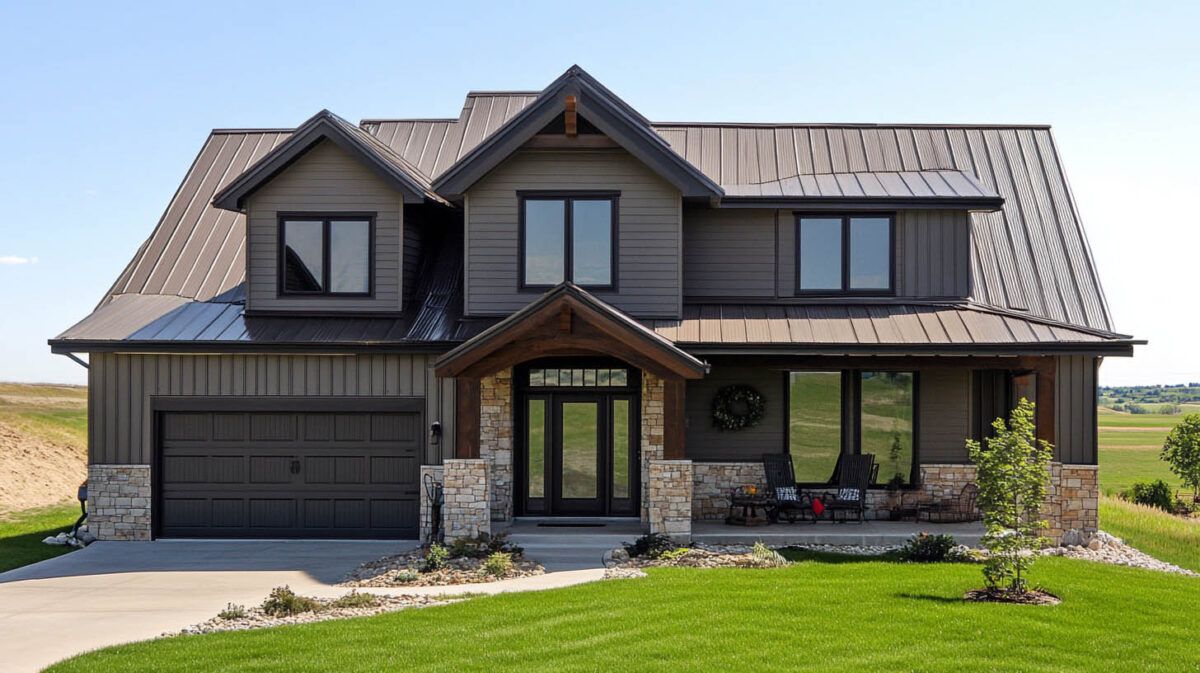
Modern metal siding is available in a variety of colors, textures, and finishes to suit different architectural styles. Homeowners can choose from sleek, contemporary designs or opt for metal siding that mimics the appearance of wood or stone. Popular finishes include:
- Corrugated metal panels for an industrial or rustic look
- Woodgrain-embossed metal for a traditional aesthetic
- Smooth aluminum or steel panels for modern, minimalist designs
Seamless Integration with Other Materials
Metal siding can be combined with other materials such as brick, stone, or stucco to create a unique and customized home exterior. This allows homeowners to take advantage of the durability of metal while incorporating traditional design elements that enhance curb appeal.
Common Myths About Metal Siding
“Metal Siding Will Make My Home Look Like a Warehouse”
Modern advancements in metal siding design have led to a wide range of aesthetic options. Homeowners can now select color-coated panels, textured finishes, and stylish designs that look nothing like commercial buildings.
“Metal Siding Dents Too Easily”
High-quality steel siding is thicker and more impact-resistant than aluminum siding, making it a great choice for areas prone to hail or debris impact.
“Metal Siding Is Too Noisy During Rainstorms”
With proper insulation and installation techniques, metal siding is no louder than any other exterior material. The additional layers of insulation help absorb sound, ensuring a quiet and comfortable indoor environment.
Installation Process and Considerations
Professional Installation for Long-Lasting Results
Proper installation is key to maximizing the performance of metal siding. Experienced contractors ensure that panels are securely fastened, sealed against moisture, and aligned for an even appearance. Incorrect installation can lead to gaps, improper drainage, and reduced insulation efficiency.
Cost Comparison with Other Siding Materials
While the initial cost of metal siding is higher than vinyl, its low maintenance, durability, and energy efficiency result in long-term savings. On average, metal siding lasts 40-70 years, significantly outlasting materials like wood and vinyl, which may require replacement within 20-30 years.
Why Work with Expert Siding Contractors?
Choosing the right contractor ensures that metal siding is installed with precision and care. At 180 Contractors Roofing & Siding in Troy, MI, we provide expert installation services that guarantee long-lasting durability and aesthetic appeal. Our team is BBB A+ accredited, Guildmaster (GuildQuality), INC 5000 certified, Google Guaranteed, and recognized as a Qualified Remodeler Top 100 Satisfaction company. We partner with industry-leading brands such as James Hardie, Alside, and Everlast, ensuring that every project meets the highest standards of quality and craftsmanship.
Frequently Asked Questions (FAQs)
1. How long does metal siding last?
Metal siding can last 40-70 years, depending on the type of metal and environmental factors. Proper maintenance and protective coatings help extend its lifespan.
2. Is metal siding more expensive than vinyl siding?
While the initial cost of metal siding is higher than vinyl, it offers greater durability, energy efficiency, and long-term savings due to its low maintenance requirements.
3. Can metal siding rust over time?
Modern metal siding is treated with protective coatings to prevent rust and corrosion, making it a durable choice even in humid and coastal regions.
4. Is metal siding energy-efficient?
Yes, metal siding reflects sunlight and, when paired with proper insulation, helps regulate indoor temperatures, reducing heating and cooling costs.
5. Can metal siding be repainted?
Yes, metal siding can be repainted using high-quality exterior paint, allowing homeowners to update their home’s look without replacing the entire siding.
Conclusion
Metal siding is a durable, energy-efficient, and aesthetically versatile option for residential homes. With its long lifespan, low maintenance requirements, and modern design choices, it is an excellent alternative to traditional siding materials. When installed correctly, metal siding enhances curb appeal, protects against extreme weather conditions, and contributes to energy savings. Investing in professional installation ensures that homeowners get the most value out of their metal siding for years to come.
Read also our blog:
Combining Exterior Siding Materials to Enhance Curb Appeal and Save Money