Vinyl Siding in Michigan: The Best Choice for Durability and Style

180 Contractors • April 6, 2025
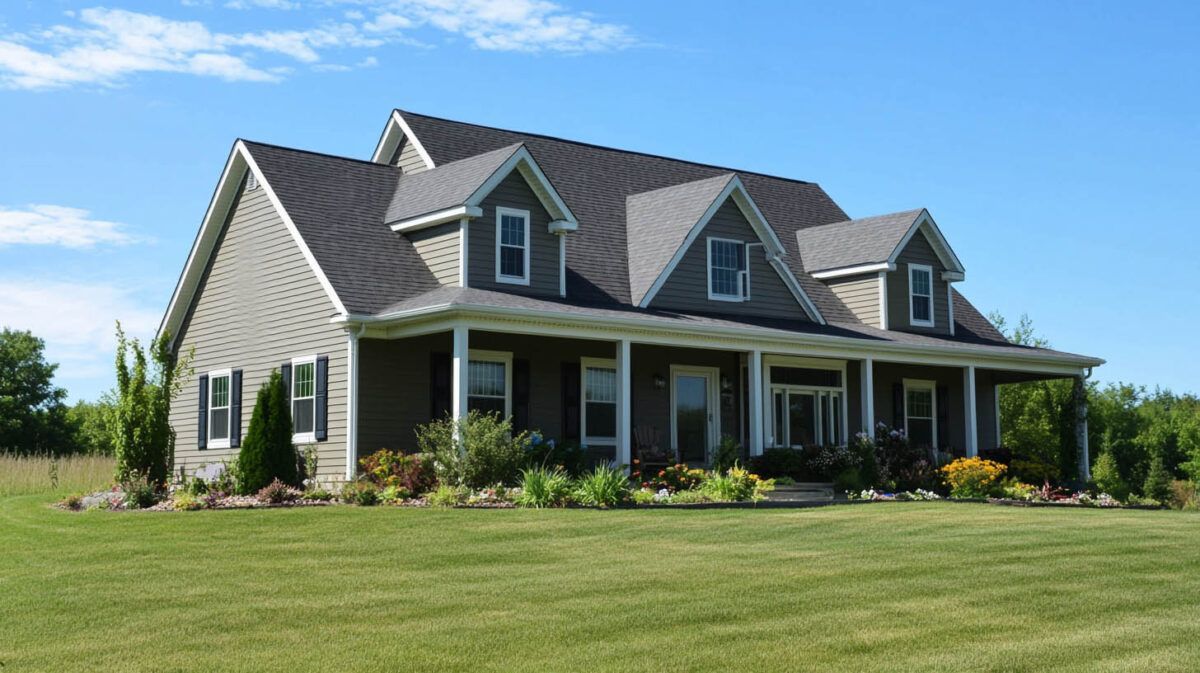
Gray farmhouse with a covered porch and dormer windows on a green lawn under a blue sky

Installing vinyl siding is one of the most cost-effective ways to enhance a home’s curb appeal while improving energy efficiency and weather resistance. Michigan homeowners face extreme weather conditions throughout the year, making durable and low-maintenance siding an essential investment.


This guide explores the benefits of vinyl siding, its key features, material options, installation process, and essential maintenance tips to ensure long-lasting performance.


Why Vinyl Siding is Ideal for Michigan Homes

1. Unmatched Weather Resistance

Michigan experiences harsh winters, humid summers, and unpredictable storms. Vinyl siding is designed to withstand these extreme conditions without warping, rotting, or peeling.


Key Weatherproofing Features:

  • Moisture Resistance – Unlike wood, vinyl does not absorb water, preventing rot and mold growth.
  • UV Protection – Modern vinyl siding includes fade-resistant coatings to maintain color vibrancy.
  • Impact Durability – High-quality vinyl resists dents and cracks from hail and debris.


Properly installed vinyl siding provides a protective barrier against the elements, reducing long-term repair costs.


2. Energy Efficiency and Insulation

Vinyl siding improves a home’s thermal efficiency, reducing heating and cooling costs throughout the year.


How Vinyl Siding Boosts Energy Efficiency:

  • Insulated Vinyl Options – Features a foam backing that reduces heat transfer and air leakage.
  • Reflective Coatings – Some vinyl materials reflect solar heat, keeping interiors cooler in summer.
  • Tight-Fitting Installation – Prevents cold drafts and minimizes energy loss.


According to the U.S. Department of Energy, insulated vinyl siding can reduce energy consumption by up to 20%, making it a smart investment for homeowners.


3. Low Maintenance and Longevity

Unlike wood or metal siding, vinyl requires minimal upkeep to maintain its appearance and structural integrity.


Maintenance Advantages:

  • No Painting or Staining Required – Factory-applied colors resist fading for decades.
  • Easy Cleaning – A simple power wash once or twice a year removes dirt and grime.
  • Mildew and Mold Resistant – Non-porous surface prevents moisture buildup.


With an average lifespan of 30-40 years, vinyl siding remains one of the most cost-effective, long-lasting home exterior solutions.


4. Enhanced Curb Appeal and Property Value

Vinyl siding provides a wide range of styles, colors, and textures, allowing homeowners to customize their home’s exterior to match any architectural style.


Design Options Available:

  • Traditional Lap Siding – Classic horizontal panels for a timeless look.
  • Board and Batten – Vertical panels that add modern farmhouse appeal.
  • Shakes and Scallops – Mimic the appearance of cedar shake siding without maintenance.


A well-designed vinyl siding upgrade increases a home’s resale value by up to 63%, according to Remodeling Magazine’s Cost vs. Value Report.


Choosing the Right Vinyl Siding for Your Home

Selecting the best vinyl siding involves evaluating key factors such as thickness, insulation, and style.

Feature Standard Vinyl Premium Vinyl Insulated Vinyl
Durability Moderate High Very High
Energy Efficiency Low Medium Very High
Maintenance Low Low Low
Lifespan 20-30 years 30-40 years 40+ years
Cost $ $$ $$$

Thicker, insulated vinyl siding is recommended for Michigan homes due to its superior durability and energy-saving benefits.


Professional Vinyl Siding Installation

1. Pre-Installation Preparation

Proper preparation ensures a secure, long-lasting siding installation.

  • Old Siding Removal – Existing materials must be stripped and disposed of correctly.
  • Inspect and Repair Walls – Underlying structures must be free of rot and moisture damage.
  • Weather Barrier Installation – A moisture-resistant house wrap adds extra protection.


2. Step-by-Step Installation Process

Professional contractors follow a precise installation process to ensure optimal results.

  1. Starter Strips and Trim Installation – Securing base components creates a strong foundation.
  2. Panel Alignment and Attachment – Each panel is interlocked and fastened to prevent shifting.
  3. Sealing and Finishing Touches – Caulking around edges ensures maximum weather resistance.


A skilled installation guarantees no warping, buckling, or water infiltration, maximizing the siding’s lifespan.


3. Cost Considerations and ROI

The cost of vinyl siding varies based on material grade, labor, and home size.

  • Standard Vinyl: $3 – $5 per square foot
  • Premium Vinyl: $5 – $8 per square foot
  • Insulated Vinyl: $7 – $12 per square foot


While insulated vinyl has a higher upfront cost, its energy savings and durability make it the best long-term investment for Michigan homeowners.


Choosing a Trusted Vinyl Siding Contractor

Finding an experienced, certified contractor is essential for quality workmanship and warranty protection.


180 Contractors Roofing & Siding, located in Troy, MI, is a leading provider of vinyl siding installation.

Our Certifications and Achievements:

  • BBB A+ Accredited
  • Guildmaster Award (GuildQuality)
  • INC 5000 Recognition
  • Google Guaranteed
  • Qualified Remodeler Top 100 Satisfaction


We work with top-rated brands like James Hardie, Alside, and Everlast, ensuring high-performance, long-lasting siding solutions for every home.


Frequently Asked Questions (FAQs)

1. How long does vinyl siding last?

High-quality vinyl siding lasts 30-40 years with minimal maintenance, making it one of the most durable home exterior options.


2. Does vinyl siding fade over time?

Premium vinyl siding is treated with UV-resistant coatings to prevent fading, ensuring long-lasting color vibrancy.


3. How often does vinyl siding need to be cleaned?

Vinyl siding should be cleaned once or twice a year using a garden hose or power washer to remove dirt, mildew, and debris.


4. Is insulated vinyl siding worth the extra cost?

Yes. Insulated vinyl siding improves energy efficiency, reduces noise, and extends durability, making it a smart investment for homeowners in colder climates.


5. Can vinyl siding be painted?

While possible, painting is not recommended, as factory-applied colors are designed for long-term weather resistance.


Conclusion

Vinyl siding offers a durable, low-maintenance, and cost-effective solution for homeowners looking to enhance their home’s energy efficiency, weather protection, and curb appeal.


By choosing high-quality materials and professional installation, homeowners can boost property value, reduce energy bills, and protect their home from Michigan’s harsh climate.


For expert siding solutions, working with a trusted contractor ensures top-tier craftsmanship and long-term durability.


Read also our blog: The Benefits of New Siding for Your Home: A Smart Investment
GET A FREE QUOTE

Share this article

Recent Posts

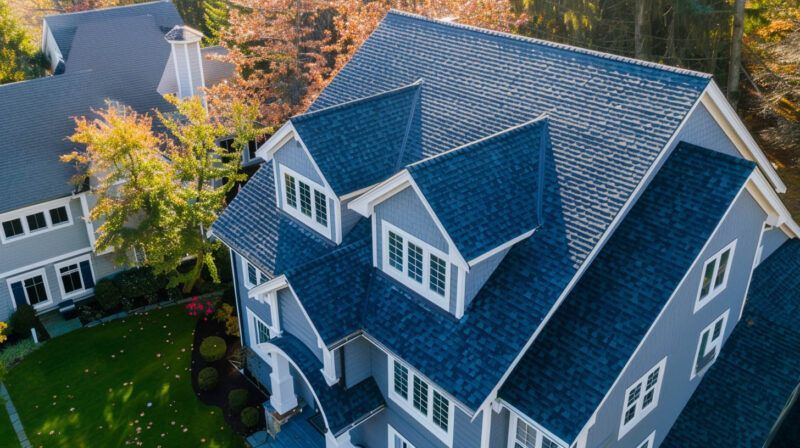
Aerial view of a large blue-gray house with dormer windows and a landscaped yard in autumn
By 180 Contractors May 14, 2026
Your roof works silently year after year, shielding your home from rain, wind, sun, and snow. But like every part of your home, it doesn’t last forever. The key is knowing when repair is no longer enough—and a full roof replacement is the smarter, safer move. For homeowners in Bloomfield Hills, MI, where intense season
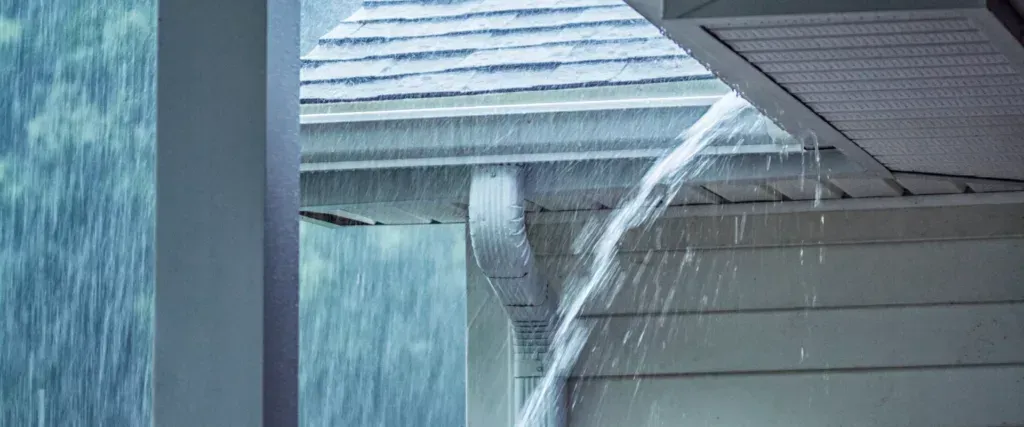
Rainwater pouring from a house roof and gutter during a storm
By 180 Contractors April 13, 2026
Michigan weather can be tough on homes, especially when it comes to your roof. From heavy snow in the winter to strong thunderstorms in the summer, each season brings conditions that can wear down roofing materials over time. Knowing how these storms affect your roof can help you catch problems early and avoid more ser
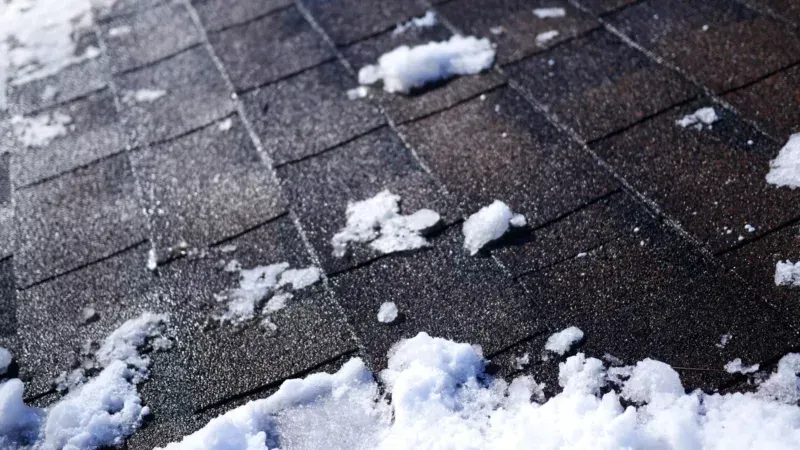
Snow piled on a dark shingled roof, with scattered patches of snow across the surface.
By 180 Contractors March 3, 2026
If you’ve lived through a Michigan winter, you know your roof takes a beating. Between heavy snowfall, freezing rain, fluctuating temperatures, and strong winds, winter weather can quietly wear down even a well-built roofing system. By the time spring arrives, many homeowners are surprised to learn that damage has alre