Introduction
Your home’s siding serves as the first line of defense against the elements, protecting your property from moisture, pests, and physical damage. While modern siding materials are designed for durability, exposure to harsh weather, improper installation, and other external factors can lead to deterioration over time. Identifying early warning signs of damage and implementing preventive measures can help maintain the structural integrity and curb appeal of your home.
Common Causes of Siding Damage
Poor Installation
Siding that is not installed correctly can lead to a host of issues, including gaps, warping, and moisture penetration. Properly installed siding should allow for slight expansion and contraction due to temperature changes. If nailed too tightly or misaligned, it can result in visible distortions and premature failure. Homeowners should work with experienced siding professionals to ensure their installation meets industry standards.
Structural Shifting
Houses naturally settle over time, but excessive movement due to soil erosion, foundation issues, or seasonal temperature fluctuations can put stress on the siding. This shifting can lead to bulging, cracks, or misalignment of the panels. Regular inspections can help identify subtle changes in the structure before they escalate into major repairs.
Mold and Mildew Growth
Siding exposed to excessive moisture, particularly in shaded or humid environments, is susceptible to mold and mildew growth. This not only affects the appearance of the siding but can also lead to decay. Routine cleaning with mild detergents or power washing can prevent buildup. Homeowners should also ensure proper ventilation and drainage around their property to minimize moisture retention.
Pest Infestations
While most modern siding materials, such as vinyl or fiber cement, are resistant to termites and other pests, they can still suffer damage from insects seeking entry points into a home. Rodents, wood-boring insects, and birds can create holes and weak spots in siding. A proactive pest control strategy, combined with routine siding inspections, can prevent costly infestations.
Heat and UV Damage
Direct exposure to high temperatures, such as those from outdoor grills or fire pits, can cause warping or melting in vinyl siding. Additionally, reflections from energy-efficient windows can sometimes focus sunlight onto siding, leading to localized heat damage. Keeping heat sources at a safe distance and installing protective barriers can help prevent these issues.
Storm and Impact Damage
Severe storms, hail, and strong winds can cause dents, cracks, or even dislodge siding panels. Wind-driven debris and falling tree branches are common culprits. After a major storm, homeowners should inspect their siding for damage and schedule repairs promptly to prevent further deterioration. Investing in impact-resistant siding can offer additional protection in storm-prone areas.
Preventive Measures for Long-Term Siding Protection
1. Schedule Regular Inspections
Routine inspections allow homeowners to detect small issues before they become major problems. A thorough siding check should include:
- Examining for cracks, warping, or gaps
- Checking for loose or missing panels
- Looking for discoloration or mold growth
- Assessing caulking and sealants around windows and doors
2. Maintain Proper Drainage
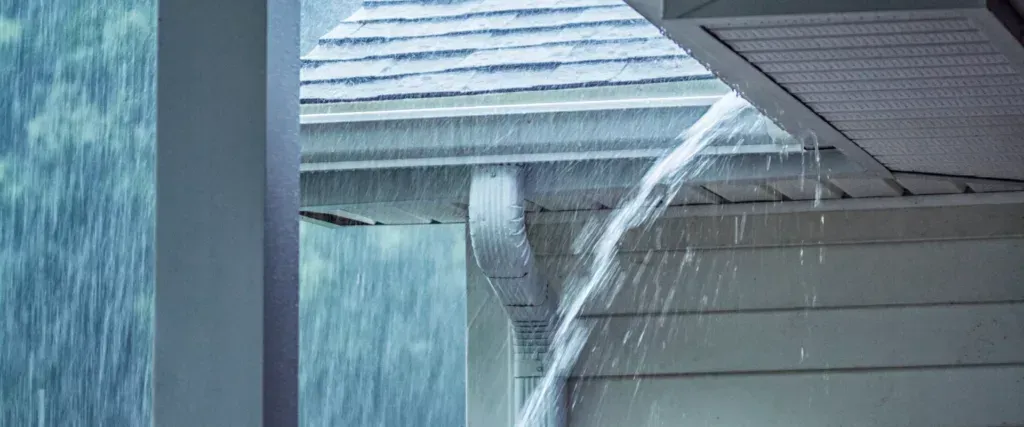
Excess moisture is one of the biggest threats to siding longevity. Ensuring that gutters, downspouts, and drainage systems function properly will prevent water from pooling near the foundation or seeping behind siding panels.
3. Clean Siding Annually
Dirt, algae, and mildew can accumulate over time, especially in damp environments. Cleaning siding at least once a year using a mild detergent or a low-pressure power wash will help maintain its appearance and durability.
4. Repaint and Reseal as Needed
Wood and fiber cement siding require periodic painting and sealing to prevent moisture infiltration. Choosing high-quality, weather-resistant coatings will extend the lifespan of your siding.
5. Address Repairs Immediately
Ignoring minor siding damage can lead to more extensive and expensive repairs. Whether it’s a small crack, missing panel, or pest intrusion, prompt action will prevent further deterioration.
Recognizing When to Replace Your Siding
Even with proper maintenance, all siding materials have a finite lifespan. Signs that indicate replacement may be necessary include:
- Extensive cracking, warping, or rotting
- Persistent mold, mildew, or moisture damage
- Rising energy bills due to poor insulation
- Frequent repairs becoming more costly than replacement
Choosing high-quality materials and working with reputable contractors will ensure a successful siding replacement that enhances your home’s protection and value.
Our Commitment to Quality
At 180 Contractors Roofing & Siding, located in Waterford, MI, we take pride in delivering exceptional siding installation and repair services. With industry-recognized certifications, including BBB A+ accreditation, Guildmaster recognition, and INC 5000 status, we ensure top-tier workmanship. As a Google Guaranteed and Qualified Remodeler Top 100 Satisfaction company, we partner with leading brands such as James Hardie, Alside, and Everlast to provide durable and aesthetically pleasing siding solutions.
Frequently Asked Questions
1. How often should I inspect my siding?
It’s recommended to inspect your siding at least twice a year, in the spring and fall, and after any major storms.
2. Can I repair siding damage myself?
Minor issues like small cracks or loose panels may be manageable for DIY repairs, but extensive damage should be assessed and repaired by professionals.
3. What siding material is best for extreme weather conditions?
Fiber cement and high-quality vinyl siding are excellent choices for areas with harsh weather, as they resist moisture, temperature fluctuations, and impact damage.
4. How can I prevent mold growth on my siding?
Ensure proper ventilation, clean your siding annually, and trim vegetation around your home to reduce excess moisture exposure.
5. Is power washing safe for all siding types?
While power washing is effective, using too much pressure can damage certain siding materials. Always use a low-pressure setting and follow manufacturer guidelines.
Conclusion
Protecting your home’s siding from damage requires a combination of regular maintenance, preventive measures, and timely repairs. By identifying potential risks early and addressing issues proactively, homeowners can extend the lifespan of their siding and maintain their property’s curb appeal. Investing in professional siding services ensures high-quality results and long-term protection against environmental and structural threats.
Read also our blog:
How New Siding Does More Than Increase Your Home’s Value