When building a new home or replacing your roof, one of the most important yet often overlooked details is roof pitch. Roof pitch—the angle or slope of your roof—affects everything from drainage to aesthetics and even energy efficiency. For homeowners in Waterford, MI, understanding roof pitch is essential for choosing the right materials and protecting your home from seasonal weather.
At
180 Contractors Roofing & Siding, we’ve seen how the correct roof pitch makes a difference in durability and design. The right slope ensures proper runoff during heavy rain and snow, extends the life of your roof, and contributes to your home’s visual appeal.
What Is Roof Pitch?
Roof pitch describes how steep your roof is. It’s usually shown as a ratio, like 4:12, which means your roof rises 4 inches for every 12 inches of horizontal distance. This ratio helps determine which roofing materials are suitable and how efficiently your roof will shed water and snow.
Common Pitch Categories
- Low pitch (2:12–4:12): Found on modern homes, but needs specialized waterproofing.
- Medium pitch (5:12–9:12): Common in residential construction; balances looks and function.
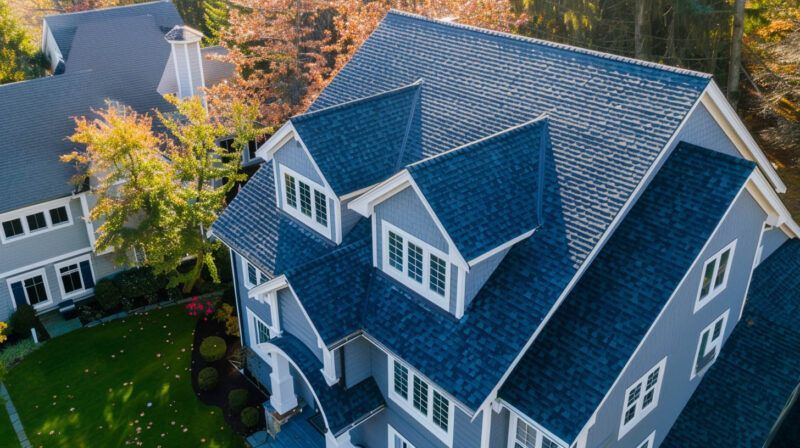
- Steep pitch (10:12+): Ideal for snowy or rainy regions but more costly to install.
Why It Matters in Waterford, MI
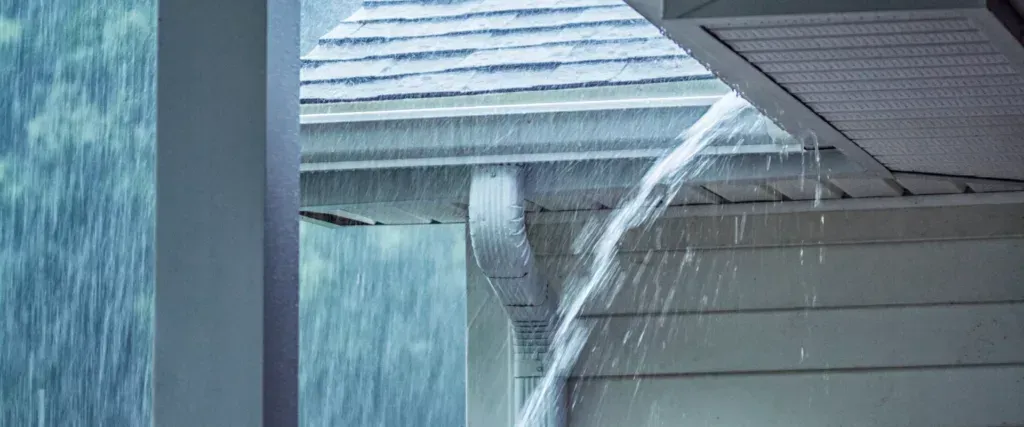
In Waterford, MI, winters bring heavy snow and ice, while springs can bring strong rainstorms. A roof with the proper pitch can handle these elements efficiently. Steeper roofs help snow and rain drain quickly, reducing the risk of water intrusion and structural strain. Plus, better ventilation and moisture control in the attic can prevent mold and damage to wood structures.
Architectural and Design Considerations
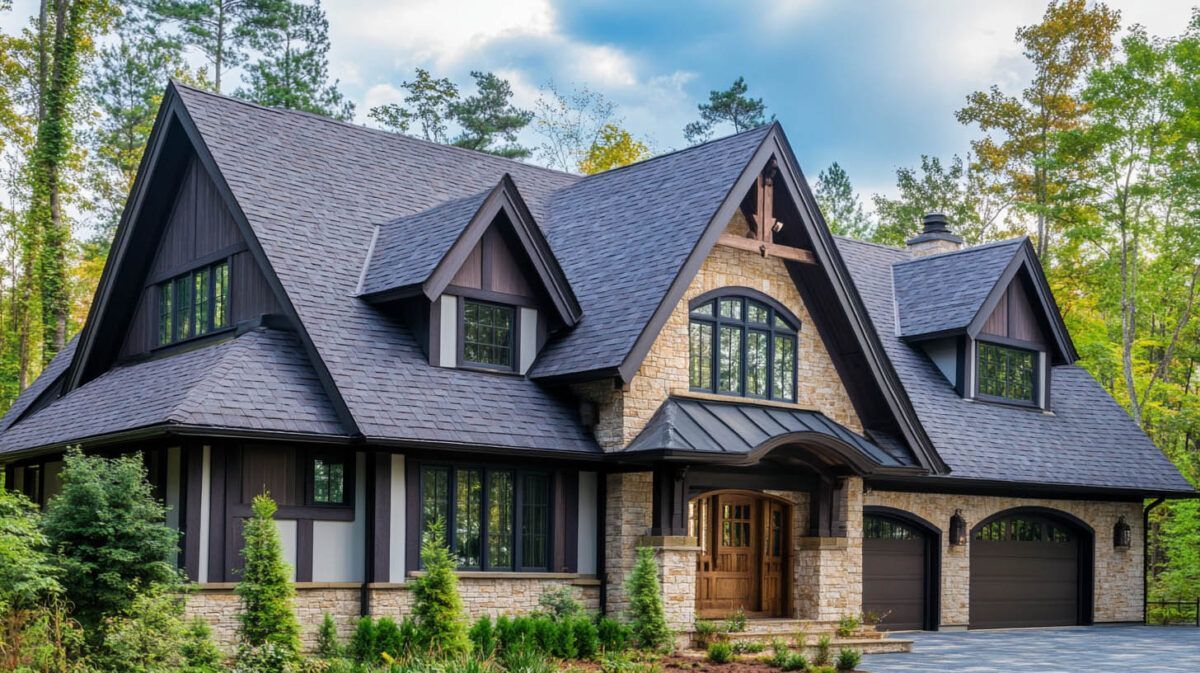
The pitch of your roof also complements your home’s architectural style. For example, steep roofs suit Colonial or Victorian homes, while lower pitches are more common on modern and ranch-style houses. A consistent design not only improves curb appeal but can also enhance property value.
Pitch and Roofing Materials
Not all materials work with every pitch:
- Asphalt shingles perform best on moderate to steep pitches.
- Metal roofing works across a range of slopes, offering flexibility and longevity.
- Flat or nearly flat roofs usually require materials like modified bitumen or TPO to prevent water pooling.
Brands like Owens Corning provide materials designed for specific slopes, helping ensure performance and long-term durability.
Impact on Energy Efficiency
Pitch can also influence how your home uses energy. Steep roofs can allow for better insulation in the attic, which buffers indoor temperatures. If you’re considering solar panels, your roof’s angle can improve sun exposure and panel performance.
Building Codes and Compliance
Local codes in Waterford usually specify minimum pitch requirements, especially for shingled roofs. These rules are in place to ensure proper drainage and safety. Choosing an experienced contractor ensures your project meets local standards and avoids costly issues down the road.
Final Thoughts
Roof pitch plays a critical role in how your home handles the elements, supports energy efficiency, and fits with your desired look. A thoughtfully chosen pitch aligned with climate, design, and structural requirements can offer lasting protection and performance.