Introduction
Choosing the right time of year to install vinyl siding can significantly impact the quality, durability, and cost of the project. Temperature fluctuations, material behavior, contractor availability, and cost considerations all play a role in determining the ideal season for siding installation. Each season presents unique advantages and challenges that should be carefully evaluated before scheduling a siding replacement.
How Weather Affects Vinyl Siding Installation
Temperature and Material Expansion
Vinyl siding, being a plastic-based material, expands and contracts with temperature changes. Improper installation during extreme weather conditions can lead to misalignment, warping, or gaps that may affect the siding’s longevity.
- Summer Heat:
High temperatures can cause vinyl to expand significantly. If not installed with sufficient allowances, the material may buckle or warp when it contracts in cooler months.
- Winter Cold:
In freezing temperatures, vinyl siding becomes brittle and more prone to cracking when cut or nailed. Installers must take extra care to prevent breakage and ensure correct spacing for future expansion.
Moisture and Installation Conditions
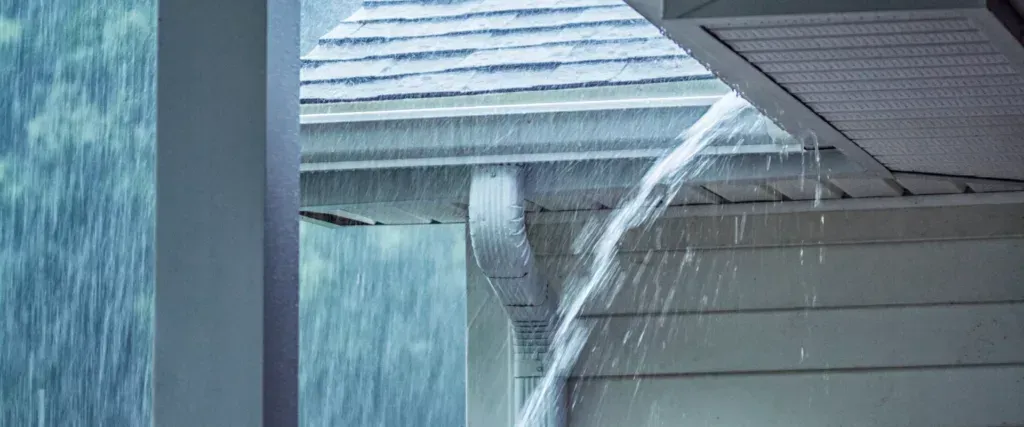
Excessive moisture during installation can lead to mold growth or water infiltration behind the siding. Certain times of the year present a higher risk of moisture-related issues:
- Spring Showers: Heavy rainfall can prolong installation time and increase the risk of water seeping into the underlying structure.
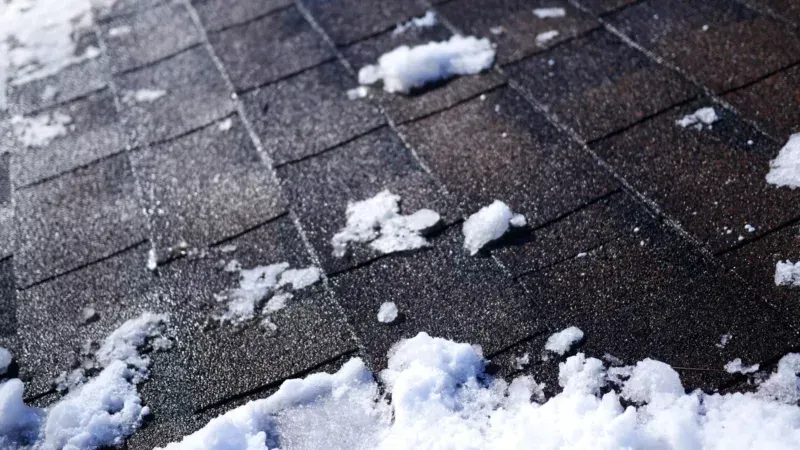
- Winter Ice and Snow: Accumulated ice and snow may interfere with proper sealing and increase the chances of moisture entrapment.
- Fall Dryness:
Autumn typically provides stable weather conditions, reducing the risk of water-related complications.
Seasonal Breakdown: Pros and Cons of Siding Installation
Spring: A Popular but Unpredictable Choice
Spring is a common time for home renovations, including siding installation. The moderate temperatures are ideal for handling vinyl, but unpredictable rain and sudden temperature drops can cause delays.
Pros:
- Mild temperatures allow for easier handling of vinyl siding
- Contractors may offer flexible scheduling before peak season
- Ideal for preparing a home for summer energy efficiency
Cons:
- Rain and storms can lead to delays and installation challenges
- High demand for contractors may result in longer wait times
Summer: Peak Season with Potential Challenges
Summer is one of the busiest seasons for home improvement projects, including siding replacement. However, the intense heat can pose challenges.
Pros:
- Consistently warm weather allows for uninterrupted work
- Faster installation due to extended daylight hours
- Ideal for sealing and painting additional exterior improvements
Cons:
- High demand leads to increased labor costs and longer scheduling waits
- Extreme heat can cause material expansion issues, requiring careful installation
- Labor crews may experience fatigue, leading to potential quality concerns
Fall: The Best Season for Siding Replacement
Autumn is widely considered the best time of year for installing vinyl siding due to stable temperatures and contractor availability.
Pros:
- Mild temperatures prevent material expansion and contraction issues
- Reduced moisture levels lower the risk of mold and water damage
- Contractors may offer discounts due to lower seasonal demand
- Ideal time for adding house wrap for insulation before winter
Cons:
- Early snowfall or temperature drops may limit the installation window in colder regions
- Higher demand for fall installations may still require advance scheduling
Winter: Off-Season Savings with Some Risks
Winter installations are uncommon but not impossible. While vinyl can become brittle in the cold, experienced contractors can work around these challenges.
Pros:
- Lower demand means better availability and potential cost savings
- Contractors may offer off-season discounts to maintain workflow
- Winter installations can be scheduled without long wait times
Cons:
- Cold temperatures make vinyl more prone to cracking
- Snow and ice can slow down installation and create hazardous conditions
- Sealants and adhesives may take longer to cure properly
Key Factors to Consider When Choosing an Installation Time
1. Contractor Availability and Pricing
Fall and winter typically offer better pricing and shorter wait times, while spring and summer require advance scheduling and come at peak-season rates. Homeowners looking to save on installation costs should consider off-season discounts.
2. Energy Efficiency and Home Comfort
Installing siding in the fall helps prepare the home for winter, improving insulation and reducing heating costs. Similarly, spring installations enhance summer cooling efficiency.
3. Home Protection and Weather Resistance
Choosing the right season can prevent issues such as warping, cracking, and moisture infiltration. Homeowners should factor in the local climate when planning their siding installation.
The Importance of Professional Installation
Regardless of the season, proper installation is key to ensuring the longevity and performance of vinyl siding. A reputable contractor will account for temperature-related expansion and contraction, use the right sealing techniques, and ensure moisture barriers are properly installed.
At 180 Contractors Roofing & Siding, we specialize in high-quality vinyl siding installations in Troy, MI. With industry-leading certifications such as BBB A+ accreditation, Guildmaster (GuildQuality), INC 5000, and Google Guaranteed, we deliver top-tier workmanship. Our partnerships with trusted brands like James Hardie, Alside, and Everlast allow us to provide durable and aesthetically appealing siding solutions tailored to any home.
Frequently Asked Questions
1. Can vinyl siding be installed in winter?
Yes, but extra precautions must be taken. Cold temperatures make vinyl brittle, so experienced professionals must handle the installation carefully to avoid cracking.
2. Is fall really the best time to replace siding?
Yes, fall offers moderate temperatures, lower contractor demand, and better material pricing, making it the ideal season for siding replacement.
3. How does extreme heat affect siding installation?
High temperatures cause vinyl siding to expand. If not installed correctly, it may warp or buckle when it contracts in cooler weather.
4. What is the biggest risk of installing siding in spring?
Spring rain can introduce moisture-related issues, potentially leading to mold growth or water damage if not properly managed.
5. Will installing new siding improve my home’s insulation?
Yes, especially if combined with house wrap. New siding helps regulate indoor temperatures and reduces heating and cooling costs.
Conclusion
While vinyl siding can be installed year-round, the best time for installation depends on factors like weather conditions, contractor availability, and budget considerations. Fall provides the most favorable conditions, but each season has unique advantages. Partnering with a skilled contractor ensures a high-quality installation, protecting and enhancing the home for years to come.
Read also our blog:
Detecting and Preventing Damage to Your Home’s Siding