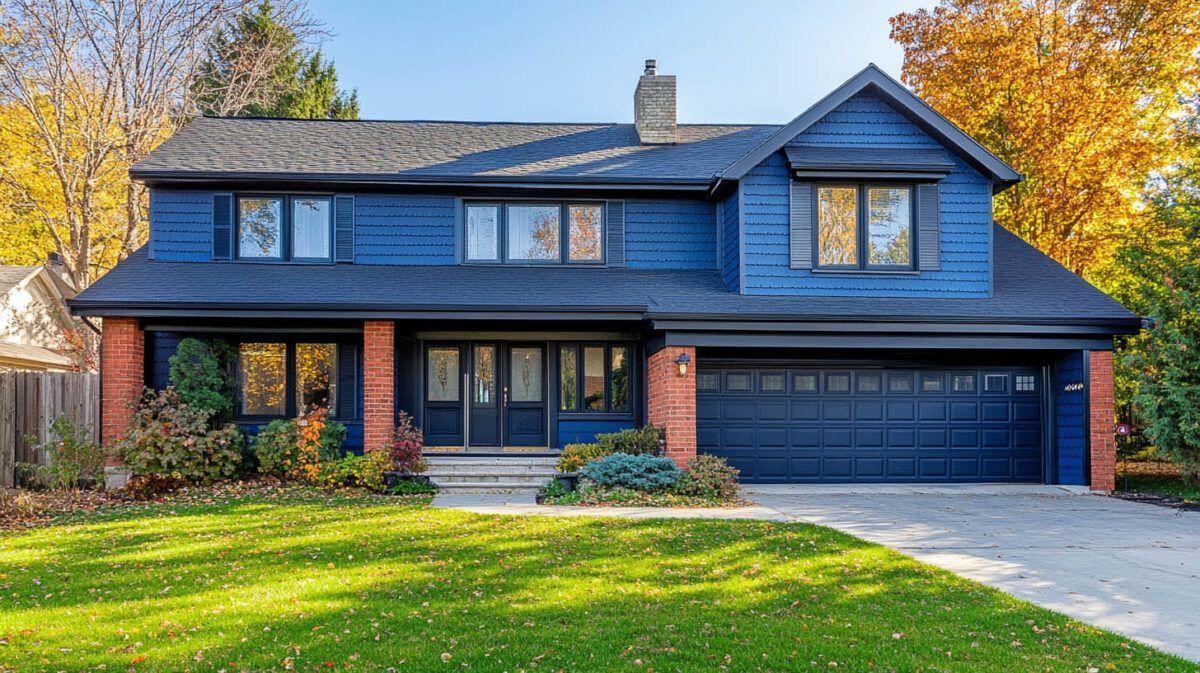
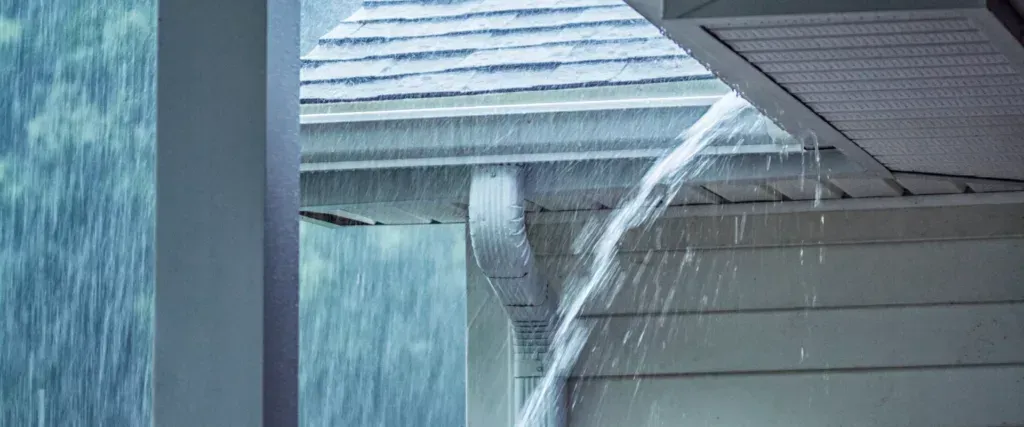
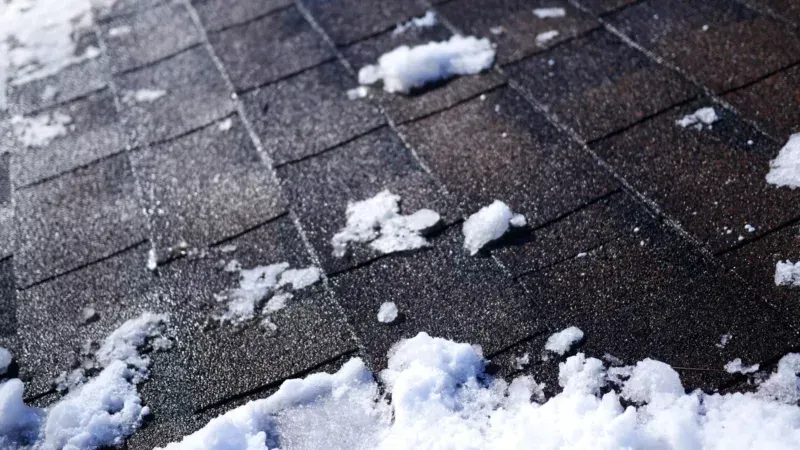
Maintaining a home’s siding and soffits is crucial for protecting its structural integrity, preventing moisture damage, and enhancing curb appeal. Properly maintained siding shields against harsh weather conditions, while soffits provide essential attic ventilation and prevent pest infestations. This guide explores common siding and soffit issues, maintenance strategies, repair techniques, and expert recommendations to ensure long-term durability.
The Importance of Siding and Soffit Maintenance
Siding acts as a protective barrier against wind, rain, and temperature fluctuations, while soffits regulate attic airflow and prevent moisture buildup. Neglecting these components can lead to costly repairs, structural damage, and energy inefficiencies. Regular inspections and timely maintenance ensure the longevity of both siding and soffits.
Understanding Different Siding Materials and Their Maintenance Needs
Vinyl Siding
Vinyl siding is widely used due to its affordability, low maintenance, and weather resistance.
Maintenance Tips:
- Wash annually with a garden hose and mild detergent to remove dirt and mildew.
- Inspect for cracks or loose panels after storms.
- Keep heat sources like grills away to prevent warping.
Wood Siding
Wood siding offers a classic appearance but requires consistent upkeep to prevent deterioration.
Maintenance Tips:
- Apply fresh paint or sealant every few years to protect against moisture damage.
- Check for signs of rot, especially in humid climates.
- Trim vegetation to prevent insect infestations.
Fiber Cement Siding
Fiber cement siding is highly durable, fire-resistant, and resistant to pests.
Maintenance Tips:
- Clean with a soft brush and soapy water to remove dust and grime.
- Inspect caulking around seams and replace if necessary.
- Repaint every 10-15 years to maintain its appearance.
Metal Siding
Aluminum and steel siding provide excellent durability but require occasional maintenance.
Maintenance Tips:
- Regularly inspect for dents and rust spots.
- Apply a protective coating to prevent corrosion.
- Clean with a mild detergent and rinse with a hose.
The Role of Soffits in Home Ventilation and Protection
Soffits are located beneath a roof’s overhang and play a critical role in attic ventilation. They regulate temperature, prevent mold growth, and keep pests out of roof spaces.
Common Soffit Problems and How to Prevent Them
- Moisture Damage
Improperly sealed soffits can allow water to penetrate, leading to mold growth and structural weakening.
Prevention:
- Ensure gutters function properly to divert water away.
- Seal gaps with weather-resistant caulking.
- Pest Infestations
Soffits can provide entry points for rodents, birds, and insects.
Prevention:
- Install metal mesh screens over vented soffits to block pests.
- Regularly inspect for signs of animal activity.
- Cracking and Peeling Paint
Wood soffits may develop cracks and peeling paint due to exposure to extreme weather.
Prevention:
- Repaint every few years using high-quality exterior paint.
- Replace rotting sections promptly.
Repairing vs. Replacing Siding and Soffits
When to Repair
- Minor cracks or holes in vinyl siding can be patched.
- Small sections of mold growth can be cleaned and sealed.
- Loose soffit panels can be resecured with fasteners.
When to Replace
- Extensive warping or buckling indicates deeper structural issues.
- Pervasive mold or rot suggests long-term moisture infiltration.
- Frequent repainting needed due to weather exposure.
Best Materials for Siding and Soffit Replacement
Choosing the right materials ensures long-term durability and minimal maintenance.
Siding Options:
- Vinyl: Low-cost, moisture-resistant, and widely available.
- Fiber Cement:
Highly durable and resistant to fire and pests.
- Wood:
Classic appearance but requires frequent maintenance.
Soffit Options:
- Aluminum:
Rust-resistant, lightweight, and durable.
- Vinyl: Cost-effective and available in vented or non-vented styles.
- Fiber Cement: Fire-resistant and long-lasting.
Steps for Proper Installation and Maintenance
- Inspect the Exterior Regularly – Check for damage, moisture buildup, or loose panels.
- Clean Annually –
Use mild detergent and water to remove dirt, algae, and mold.
- Seal Gaps and Cracks –
Apply exterior caulk to prevent water infiltration.
- Ensure Proper Ventilation –
Keep soffit vents clear to allow attic airflow.
- Hire Professionals for Major Repairs –
Expert installation ensures long-lasting results.
Expert Siding and Soffit Installation Services
Choosing a qualified contractor ensures top-tier installation and repair services. 180 Contractors Roofing & Siding, located in Rochester Hills, MI, specializes in high-quality siding and soffit solutions. Our company holds industry-recognized certifications, including:
- BBB A+ Accredited – Recognized for outstanding customer service.
- Guildmaster (GuildQuality) – Awarded for superior craftsmanship.
- INC 5000 – Recognized among the fastest-growing companies in the industry.
- Google Guaranteed – Verified for exceptional service.
- Qualified Remodeler Top 100 Satisfaction – Acknowledged for customer satisfaction and reliability.
We work with leading brands such as James Hardie, Alside, and Everlast, providing homeowners with durable and aesthetically pleasing solutions.
Conclusion
Maintaining siding and soffits is essential for protecting a home from structural damage, moisture issues, and energy inefficiencies. Regular inspections, timely repairs, and choosing high-quality materials contribute to long-term durability. Partnering with a professional contractor ensures proper installation and long-lasting results.
Frequently Asked Questions (FAQs)
- How often should siding and soffits be inspected?
Siding and soffits should be inspected at least once a year, with additional checks after storms or extreme weather. - Can soffit damage lead to roof problems?
Yes, damaged soffits can allow moisture buildup and pests into the attic, leading to mold growth and potential roof damage. - What is the best way to clean vinyl siding?
Use a mixture of mild detergent and water, scrubbing with a soft brush and rinsing with a garden hose. Avoid high-pressure washing to prevent damage. - How do I know if my siding needs replacement?
Signs include widespread warping, mold growth, peeling paint, and increased energy bills due to poor insulation. - Is professional installation necessary for new soffits?
While some minor repairs can be DIY, professional installation ensures proper ventilation, durability, and protection against weather damage.
Read also our blog:
Should You Repair or Replace Your Home’s Siding?