Why Vinyl Siding Is the Best Choice for Your Home

180 Contractors • May 10, 2025
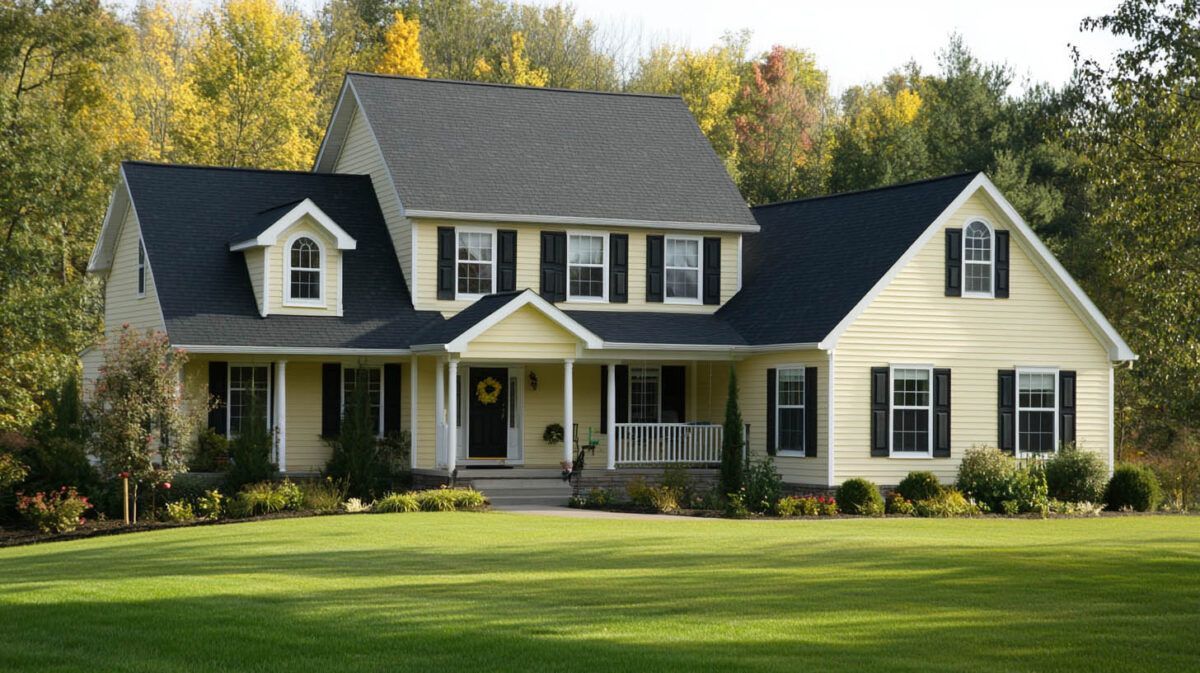
Large cream-colored suburban house with dark roof, white trim, front porch, and green lawn surrounded by trees

Choosing the right siding for a home is a significant decision that impacts durability, maintenance, and aesthetic appeal. Vinyl siding has become one of the most popular choices for homeowners due to its affordability, versatility, and long-lasting performance. With advanced manufacturing techniques and innovative designs, vinyl siding offers superior protection against the elements while enhancing curb appeal.


The Advantages of Vinyl Siding

1. Superior Durability and Weather Resistance

Vinyl siding is engineered to withstand harsh weather conditions, making it an excellent choice for homes in regions with extreme climates.


Key Benefits:

  • Impact Resistance: Designed to withstand strong winds, hail, and flying debris.
  • Moisture Protection: Unlike wood, vinyl does not absorb water, preventing rot, mold, and mildew growth.
  • Temperature Resilience: Resistant to cracking and warping due to extreme temperature fluctuations.


With proper installation, vinyl siding can protect a home for decades without showing signs of deterioration.


2. Low Maintenance Requirements

Unlike traditional materials such as wood or stucco, vinyl siding requires minimal upkeep.


Maintenance Benefits:

  • No Painting or Staining: Unlike wood siding, which requires frequent repainting, vinyl siding retains its color for years.
  • Easy to Clean: A simple rinse with a garden hose and mild detergent removes dirt and debris.
  • Resistant to Pests: Unlike wood, vinyl is not susceptible to termites, carpenter ants, or woodpeckers.


With routine cleaning and periodic inspections, vinyl siding maintains its appearance and performance with little effort.


3. Energy Efficiency and Insulation Benefits

Modern insulated vinyl siding enhances a home’s energy efficiency by reducing heat transfer.


How It Improves Efficiency:

  • Added Insulation: Some vinyl siding options come with built-in insulation, reducing heat loss in winter and keeping interiors cool in summer.
  • Lower Energy Bills: Improved insulation reduces heating and cooling costs, making vinyl siding an energy-efficient investment.
  • Environmentally Friendly: Many manufacturers offer recyclable vinyl siding options, contributing to sustainability.


4. Customization Options and Aesthetic Appeal

Vinyl siding offers a wide range of colors, textures, and styles to match any architectural design.


Customization Features:

  • Wood-Look Finishes: Achieve the appearance of wood without the maintenance.
  • Variety of Colors: Available in classic neutrals, bold tones, and modern shades.
  • Multiple Profiles: Choose from horizontal, vertical, shingle-style, or board-and-batten designs.


With numerous style options, homeowners can achieve their desired look while benefiting from vinyl’s durability.


Comparing Vinyl Siding to Other Materials

Vinyl Siding vs. Wood Siding

Feature Vinyl Siding Wood Siding
Maintenance Low (no painting required) High (requires painting/staining)
Durability Resistant to moisture, pests, and rot Susceptible to rot, termites, and mold
Cost Affordable Expensive
Energy Efficiency Can include built-in insulation Requires additional insulation

Vinyl Siding vs. Stucco

Feature Vinyl Siding Stucco
Installation Quick and easy Labor-intensive and expensive
Weather Resistance Withstands extreme weather Prone to cracking in seismic areas
Maintenance Requires occasional cleaning Requires frequent patching and repainting
Cost Cost-effective Expensive

Vinyl Siding vs. Fiber Cement

Feature Vinyl Siding Fiber Cement
Weight Lightweight, easy to install Heavy, requires special handling
Moisture Resistance Excellent Requires sealing and painting
Customization Wide range of styles Limited color options
Cost Budget-friendly Higher upfront cost

Steps for Installing Vinyl Siding

Proper installation ensures that vinyl siding performs optimally and lasts for decades.


1. Preparation and Inspection

  • Remove old siding or inspect the existing layer for damage.
  • Repair any structural issues, such as rotting wood or mold growth.


2. Adding Insulation (Optional)

  • Apply a moisture-resistant barrier to enhance insulation and energy efficiency.
  • Choose insulated vinyl siding for additional thermal protection.


3. Installing the Siding Panels

  • Secure panels using appropriate fasteners, allowing for expansion and contraction.
  • Ensure tight seams and overlaps to prevent water infiltration.


4. Finishing Touches and Quality Check

  • Install trim, soffits, and fascia for a polished appearance.
  • Perform a final inspection to check for gaps or misalignment.


The Lifespan and Warranty of Vinyl Siding

With proper installation and care, vinyl siding can last between 20–50 years.


Factors Affecting Longevity:

  • Quality of Material: Higher-grade vinyl offers better resistance to fading and cracking.
  • Climate Conditions: Extreme temperatures and constant exposure to sunlight may reduce lifespan.
  • Manufacturer Warranties: Many vinyl siding products come with lifetime warranties, covering defects and fading.


Professional Siding Installation Services

For high-quality results, working with experienced professionals ensures proper installation and long-term performance.

180 Contractors Roofing & Siding, located in Waterford, MI, is a trusted expert in vinyl siding installation and home exterior improvements. With a reputation for quality craftsmanship and customer satisfaction, we proudly hold the following certifications:

  • BBB A+ Accredited – Recognized for excellence in service and reliability.
  • Guildmaster (GuildQuality) – Awarded for outstanding customer satisfaction.
  • INC 5000 – Ranked among the fastest-growing home improvement companies.
  • Google Guaranteed – Verified for superior service and professionalism.
  • Qualified Remodeler Top 100 Satisfaction – Recognized for excellence in home remodeling.


We partner with top brands like James Hardie, Alside, and Everlast, ensuring homeowners receive premium-quality siding solutions.


Conclusion

Vinyl siding is an exceptional choice for homeowners looking for durability, affordability, and low maintenance. With its resistance to weather, pests, and moisture, along with a wide range of customization options, vinyl siding provides long-lasting protection while enhancing a home’s curb appeal. Choosing a trusted contractor for professional installation ensures maximum performance and long-term value.


Frequently Asked Questions (FAQs)

  1. How long does vinyl siding last?
    Vinyl siding typically lasts between 20–50 years, depending on the quality and maintenance.
  2. Does vinyl siding require maintenance?
    Minimal maintenance is required—occasional cleaning with a hose and mild detergent keeps it looking new.
  3. Can vinyl siding improve home insulation?
    Yes, insulated vinyl siding reduces heat transfer, improving energy efficiency and lowering utility bills.
  4. What are the most popular vinyl siding colors?
    Neutrals like beige, gray, and white are common, but bold colors such as blue and green are gaining popularity.
  5. Is vinyl siding environmentally friendly?
    Many manufacturers now offer recyclable vinyl siding options, making it a sustainable choice for homeowners.


Read also our blog: The Vital Role of Siding in Protecting and Enhancing Your Home
GET A FREE QUOTE

Share this article

Recent Posts

Aerial view of a large blue-gray house with dormer windows and a landscaped yard in autumn
By 180 Contractors May 14, 2026
Your roof works silently year after year, shielding your home from rain, wind, sun, and snow. But like every part of your home, it doesn’t last forever. The key is knowing when repair is no longer enough—and a full roof replacement is the smarter, safer move. For homeowners in Bloomfield Hills, MI, where intense season
Rainwater pouring from a house roof and gutter during a storm
By 180 Contractors April 13, 2026
Michigan weather can be tough on homes, especially when it comes to your roof. From heavy snow in the winter to strong thunderstorms in the summer, each season brings conditions that can wear down roofing materials over time. Knowing how these storms affect your roof can help you catch problems early and avoid more ser
Snow piled on a dark shingled roof, with scattered patches of snow across the surface.
By 180 Contractors March 3, 2026
If you’ve lived through a Michigan winter, you know your roof takes a beating. Between heavy snowfall, freezing rain, fluctuating temperatures, and strong winds, winter weather can quietly wear down even a well-built roofing system. By the time spring arrives, many homeowners are surprised to learn that damage has alre