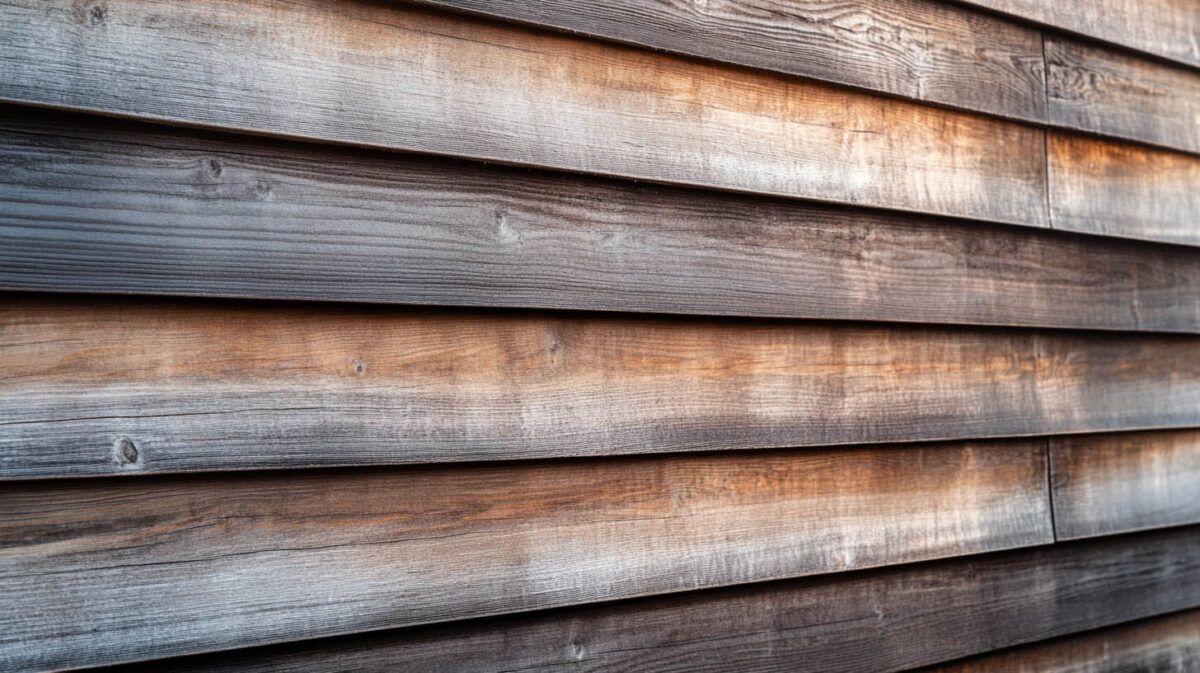
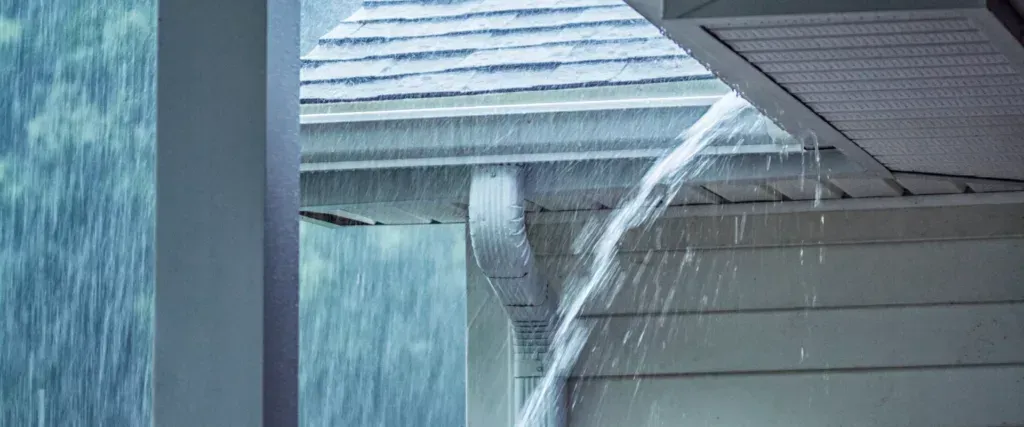
Selecting a professional siding contractor is one of the most important decisions homeowners face when planning a siding installation or replacement. A well-installed siding system protects a home from the elements, enhances curb appeal, and improves energy efficiency. However, choosing the wrong contractor can lead to poor workmanship, hidden costs, and long-term damage. Understanding key factors such as licensing, experience, materials, warranties, and customer satisfaction ensures a smooth and successful siding project.
Evaluating a Siding Contractor’s Qualifications
Verify Licensing and Certification
A reputable siding contractor should have proper licensing to operate in your state or local jurisdiction. Licensing ensures that the contractor meets building code requirements and adheres to industry regulations. If your home was built before 1978, confirm whether the contractor is lead-safe certified to handle potential lead-based paint hazards.
Confirm Insurance Coverage
A professional siding contractor should carry both liability insurance and workers’ compensation insurance. Liability insurance protects homeowners in case of property damage, while workers’ compensation covers job-related injuries for employees. Hiring an uninsured contractor could leave homeowners financially responsible for accidents that occur during the project.
Review Manufacturer Certifications
Top siding manufacturers, such as James Hardie, Alside, and Everlast, certify contractors who meet strict installation guidelines. Working with a manufacturer-certified contractor ensures that the materials are installed correctly and that homeowners receive full product warranty coverage.
Assessing Experience and Reputation
Look for Industry Experience
Contractors with years of experience have likely handled a wide range of projects, from new siding installations to complex historical home restorations. An experienced siding contractor understands how to work with different siding materials and can anticipate potential challenges before they become costly problems.
Request Referrals and References
A trustworthy contractor should provide references from past customers. Contact these references and ask about:
- The quality of workmanship
- Whether the project was completed on time and within budget
- The contractor’s communication and professionalism
- Any issues encountered and how they were resolved
Check Online Reviews and Ratings
Reading customer reviews on Google, Better Business Bureau (BBB), and Angie’s List provides insight into a contractor’s reputation. Look for high ratings, positive testimonials, and how the company responds to complaints. Contractors with BBB A+ accreditation have demonstrated a commitment to resolving customer concerns professionally.
Comparing Materials and Workmanship
Understand Siding Material Options
A professional siding contractor should offer a variety of siding materials to meet homeowners’ needs, including:
- Vinyl Siding – Affordable, low maintenance, and available in many colors and styles.
- Fiber Cement Siding – Durable, fire-resistant, and resembles wood without the upkeep.
- Wood Siding – Classic and natural, but requires regular staining or painting.
- Metal Siding –
Energy-efficient and resistant to pests, but prone to dents.
- Stucco Siding – Ideal for dry climates, but requires skilled installation to prevent cracking.
Ask About Installation Techniques
Proper siding installation impacts its durability and performance. Experienced contractors follow industry best practices, such as:
- Using a weather-resistant barrier to prevent moisture infiltration.
- Ensuring proper siding overlap and expansion gaps to prevent buckling.
- Installing insulated backing for improved energy efficiency and noise reduction.
Reviewing Warranty and Contract Terms
Compare Workmanship and Manufacturer Warranties
A high-quality siding contractor offers both:
- Manufacturer Warranty: Covers defects in the siding material itself. Warranties typically range from 20 to 50 years, depending on the product.
- Workmanship Warranty: Covers installation errors. Reputable contractors provide 5 to 10 years of workmanship coverage.
Ensure a Detailed Written Contract
A clear, written contract protects homeowners from unexpected costs and misunderstandings. The contract should include:
- Total project cost and payment schedule
- Scope of work and installation timeline
- Warranty details for materials and labor
- Cleanup and debris removal plan
Avoid contractors who ask for large upfront deposits or refuse to provide a written agreement.
Questions to Ask Before Hiring a Siding Contractor
1. How long have you been in business?
Look for contractors with at least 5 to 10 years of experience.
2. Can you provide proof of licensing and insurance?
A reputable contractor should have valid licensing and full insurance coverage
.
3. What siding materials do you offer?
Ensure the contractor provides options that suit your home’s climate, style, and budget.
4. Do you have customer references or project photos?
Review past work to verify quality craftsmanship and customer satisfaction.
5. What warranties do you offer?
Compare manufacturer and workmanship warranties to ensure full coverage.
The Importance of Choosing the Right Siding Contractor
Hiring an experienced and professional siding contractor ensures a high-quality installation, long-lasting results, and protection for your home. Poor siding installation can lead to moisture damage, energy loss, and costly repairs, so it’s essential to invest in a reputable contractor.
At 180 Contractors Roofing & Siding, located in Rochester Hills, MI, we specialize in expert siding installation using industry-leading materials from James Hardie, Alside, and Everlast. With a strong reputation backed by BBB A+ accreditation, Guildmaster (GuildQuality), INC 5000, Google Guaranteed, and Qualified Remodeler Top 100 Satisfaction, we guarantee top-tier craftsmanship and customer service.
Conclusion
Selecting the right siding contractor is a critical step in ensuring a successful and stress-free home improvement project. Homeowners should thoroughly research potential contractors, verify credentials, review warranties, and obtain detailed contracts before making a decision. A high-quality siding installation enhances a home’s curb appeal, energy efficiency, and structural protection, making it a valuable long-term investment.
Read also our blog:
Vinyl Siding vs. Wood Siding: A Comprehensive Comparison