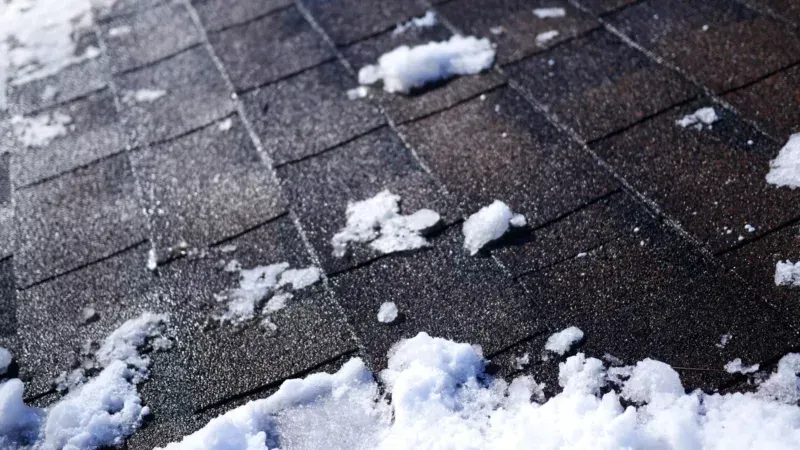
Roof mold and algae are not only unsightly—they’re also signs of a growing problem that can compromise your home’s integrity. In Troy, MI, the fluctuating seasons and occasional humidity create the perfect environment for mold, mildew, moss, and algae to thrive. These issues can shorten the life of your roof, create health risks, and reduce your home’s curb appeal if not addressed early.
At
180 Contractors Roofing & Siding, we emphasize proactive maintenance and smart roofing choices to help homeowners avoid the cost and hassle of mold-related damage. Here’s everything you need to know about stopping mold and algae before they become a costly issue.
Understanding the Threat: What Causes Roof Mold and Algae?
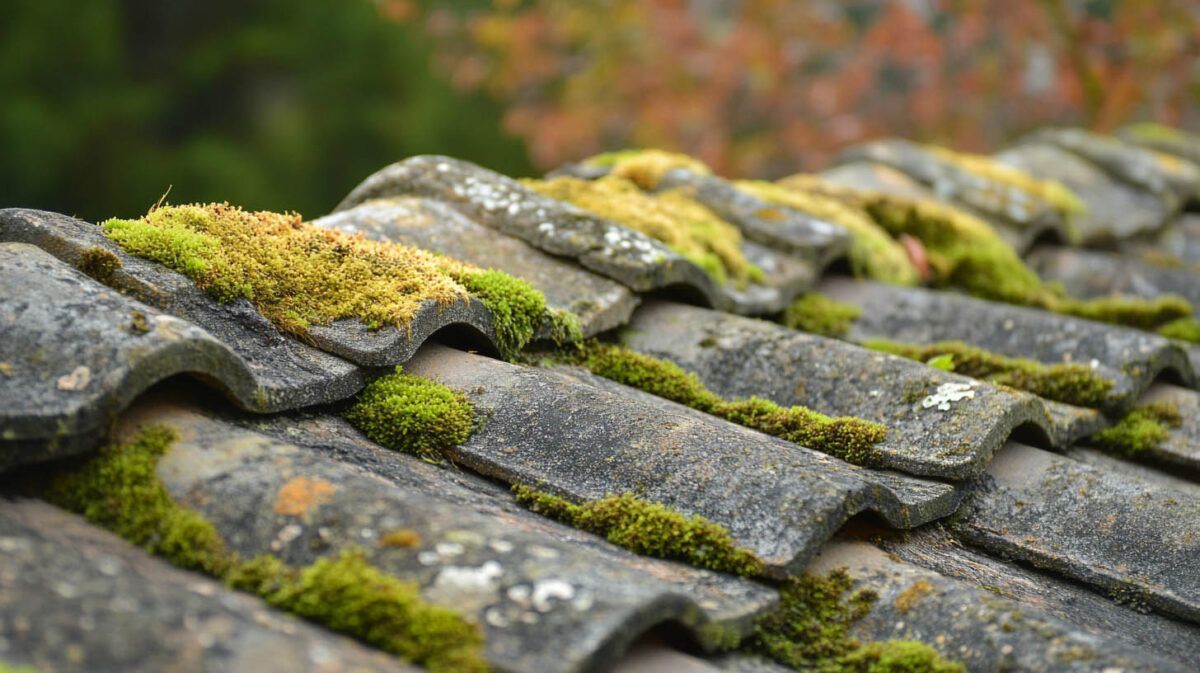
Mold and algae develop when moisture lingers on your roof’s surface. This can be due to shade from overhanging trees, poor ventilation, clogged gutters, or lack of sun exposure. Algae (specifically Gloeocapsa magma) appears as black streaks, while moss grows as thick green clumps, often in between shingles.
These organisms feed on moisture and organic matter found on roofing materials—especially older asphalt shingles that contain limestone filler. Left unchecked, mold and algae can degrade your shingles, lift their edges, and eventually lead to leaks and structural decay.
Signs to Watch For
- Dark or black streaks across your roof
- Green patches or fuzzy growth
- Persistent damp areas
- A musty odor in the attic
- Premature shingle curling or granule loss
Spotting these signs early means you can take corrective action before mold takes over.
Prevention Starts with Cleanliness
Keeping your roof clean is your first line of defense. Here are essential practices to incorporate into your seasonal home maintenance routine:
1. Trim Overhanging Branches
Branches that extend over your roof provide constant shade and drop organic debris like leaves and twigs. Trimming these branches increases sunlight and improves airflow, making it harder for mold and algae to thrive.
2. Keep Gutters and Downspouts Clear
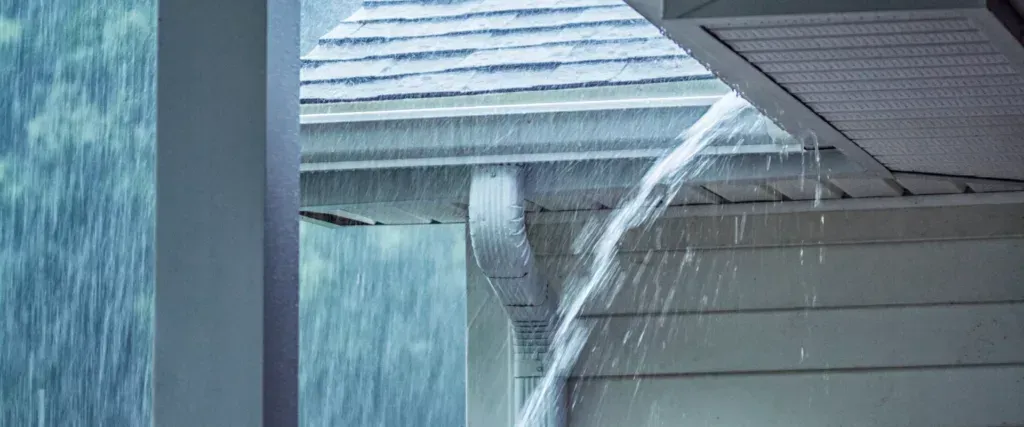
Clogged gutters trap water near your roofline, creating breeding grounds for moisture-loving organisms. Clean them regularly—especially after heavy rains or in the fall when leaves accumulate quickly.
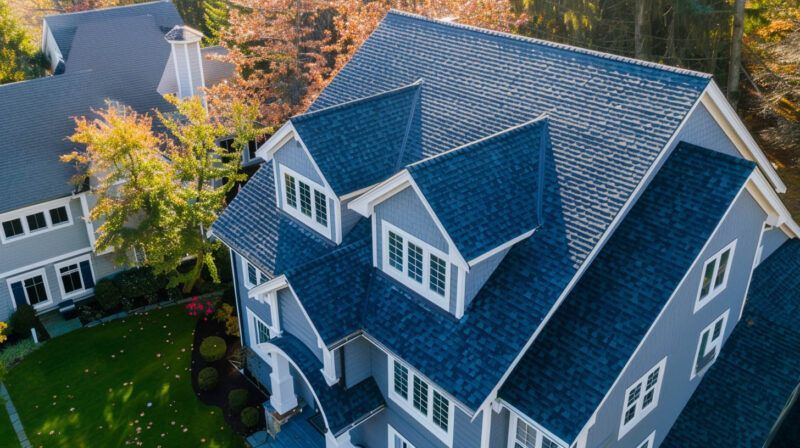
3. Install Algae-Resistant Shingles
Leading brands like Owens Corning offer shingles that contain copper or zinc granules that naturally inhibit algae growth. These are an excellent long-term investment for homes in moisture-prone areas like Troy.
4. Promote Ventilation
A well-ventilated attic allows excess heat and moisture to escape. This lowers humidity levels in the roofing system, reducing the chance of mold taking root. Consider adding soffit or ridge vents if your home lacks proper airflow.
5. Consider a Roof Cleaning Treatment
A professional, low-pressure roof cleaning using algaecide or specialized solutions can remove existing mold and prevent regrowth. Avoid pressure washers, which can damage your shingles.
The Role of Proper Roofing Materials
Different materials offer varying resistance to mold and algae. Asphalt shingles with anti-algae coatings, standing seam metal roofing, and synthetic tiles are all more resistant to biological growth. The key is to match the material with your roof’s environment and pitch.
For example, steeply pitched roofs in sunny locations are less likely to suffer from moss or mold than shaded, low-slope designs. That’s why material choice should go hand-in-hand with your home’s architecture and location.
Professional Inspections Make a Difference
Many homeowners don’t realize they have mold or algae until a roof inspection reveals the early signs. That’s why we recommend scheduling a professional inspection at least once a year. A trained eye can spot hidden risks like poorly sealed flashings or small leaks that trap moisture beneath the surface.
Regular inspections also give you the opportunity to:
- Identify vulnerable areas for mold growth
- Replace damaged or algae-covered shingles
- Improve attic insulation and ventilation
- Check for signs of rot or water intrusion
Why Mold and Algae Shouldn’t Be Ignored
Mold and algae aren’t just cosmetic issues. They can lead to:
- Decreased property value
- Reduced shingle life span
- Costly repairs if water damage spreads
- Increased energy bills due to poor insulation
- Health hazards, particularly for allergy sufferers
Taking mold seriously—and acting quickly—can save you from more serious structural and financial problems later on.
Final Thoughts
Roof mold and algae don’t have to be inevitable. With the right maintenance, materials, and vigilance, you can protect your home and extend your roof’s lifespan. In Troy, MI, homeowners should stay ahead of the game by adopting preventative strategies that work year-round.
Need help identifying mold risks or choosing mold-resistant roofing options? Turn to the experts at 180 Contractors Roofing & Siding for inspections, cleanings, or a complete roof refresh.
Read also our blog:
How Long Do Roofs Last? Lifespan by Material Type