Replacing a roof is one of the most significant home improvement investments a homeowner can make. One of the most common questions we hear is: “How long will it last?” The answer depends on the type of material used, how well it’s installed, and how well it’s maintained. In Waterford, MI, where weather ranges from freezing winters to humid summers, understanding roofing lifespans by material type is essential to make an informed, long-term decision.
At
180 Contractors Roofing & Siding, we help homeowners choose the best roofing materials based on performance, aesthetics, and durability. This guide will help you understand how long each type of roof typically lasts—and what factors can extend or shorten that lifespan.
Asphalt Shingles
Standard 3-Tab Shingles
These are the most affordable and commonly used shingles in North America.
- Lifespan: 15–20 years
- Pros:
Budget-friendly, easy to install
- Cons: Less durable in high winds and temperature fluctuations
Architectural Shingles
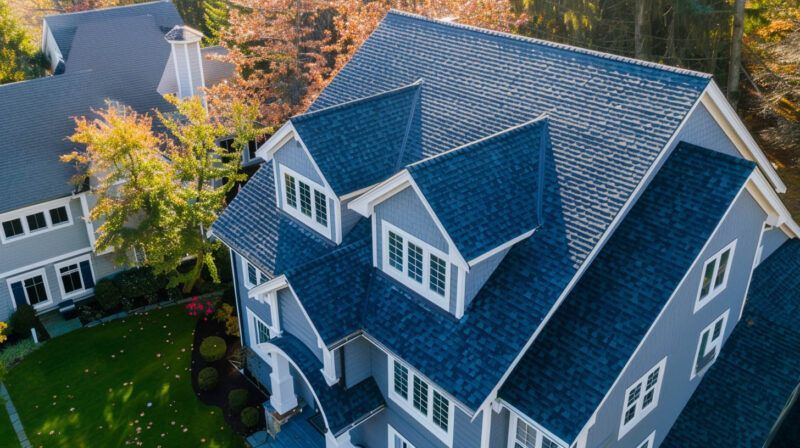
A more robust version of asphalt shingles with layered construction for added strength.
- Lifespan: 20–30 years
- Pros: Better wind resistance, more curb appeal, longer warranties
- Cons:
Higher initial cost than 3-tab
Owens Corning architectural shingles are a popular choice for Waterford homeowners looking for beauty, performance, and a solid warranty.
Metal Roofing
Metal roofing has gained popularity thanks to its modern appearance and long-term resilience.
- Lifespan: 40–70 years
- Pros: Resistant to fire, rot, insects, and snow; excellent for shedding water and ice
- Cons: Higher upfront cost; requires professional installation
Metal panels come in various styles, including standing seam and stamped profiles that mimic slate or wood shakes.
Wood Shingles and Shakes
Wood roofing offers natural beauty and is typically made from cedar, redwood, or pine.
- Lifespan:
20–40 years (with proper maintenance)
- Pros:
Insulating, aesthetically pleasing
- Cons: Vulnerable to rot, fire, and pests; not ideal for humid or wet climates without treatment
In Waterford, we often caution against wood roofing unless homeowners commit to annual maintenance and preservation treatments.
Clay and Concrete Tile
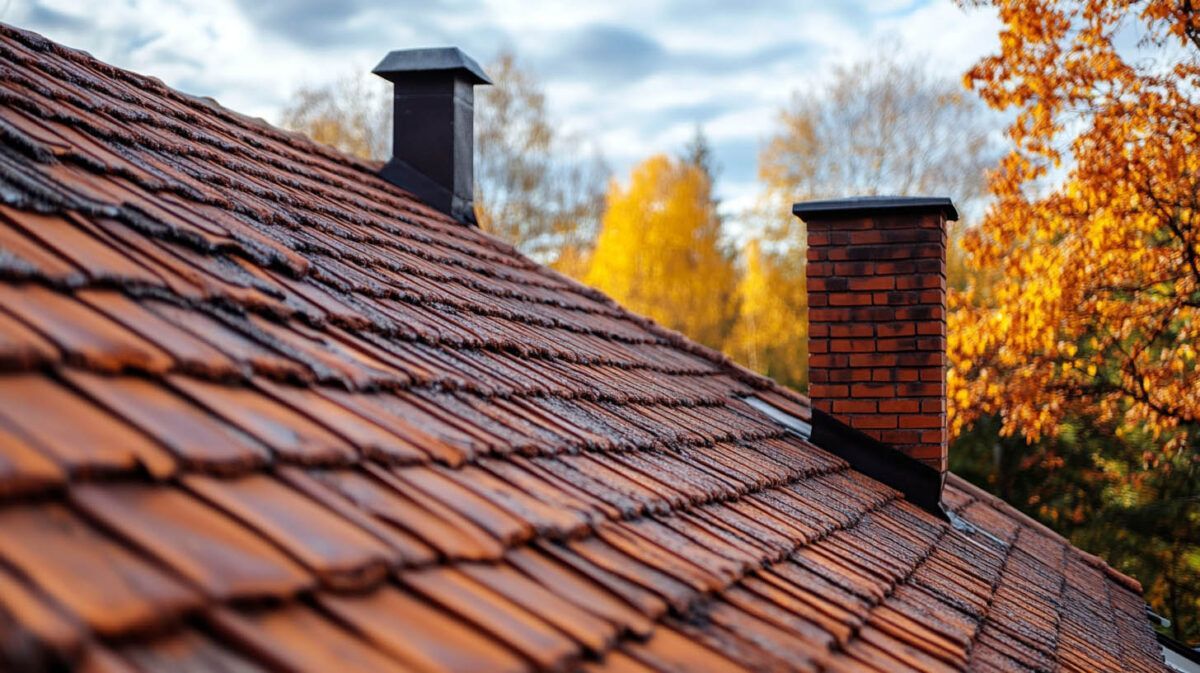
Tiles are often seen in warmer climates, but they can be adapted to northern environments with proper underlayment and framing.
- Lifespan: last between 50 and 100 years
- Pros: Fire-resistant, extremely durable
- Cons: Heavy; requires a reinforced roof structure; more expensive to install
Tiles are rare in Michigan but offer a unique architectural look for those willing to invest in structural reinforcement.
Slate Roofing
Natural slate is the gold standard of longevity and elegance.
- Lifespan:
75–100+ years
- Pros:
Virtually indestructible, fireproof, rot-resistant
- Cons:
Very heavy and expensive; installation requires expert craftsmanship
Slate is rare in Waterford but may be used on historic or high-end homes looking for unmatched durability.
Synthetic Roofing Materials
Newer synthetic shingles made from recycled plastics or rubber are designed to mimic slate, tile, or wood while reducing weight and increasing durability.
- Lifespan:
30–50 years
- Pros:
Lightweight, impact-resistant, low maintenance
- Cons:
Newer technology—long-term durability still being studied
These are a strong option for homeowners who want premium appearance and performance without the structural requirements of traditional materials.
Flat Roofing Materials
Flat or low-slope roofs use different systems:
- Built-up Roofing (BUR):
15–30 years
- Modified Bitumen:
10–20 years
- TPO, EPDM, or PVC:
20–30 years (with proper maintenance)
These materials are mostly used on commercial properties or modern-style homes. Regular inspections are key to preventing drainage issues.
Factors That Affect Roof Lifespan
- Installation quality:
Even the best materials won’t last if poorly installed.
- Ventilation:
Proper airflow prevents moisture buildup and heat damage.
- Maintenance:
Annual inspections and timely repairs extend roof life.
- Climate:
Waterford’s snowy winters, freeze-thaw cycles, and occasional storms can shorten lifespan if the roof isn’t built to handle them.
Signs Your Roof May Be Nearing Its End
- Missing, curled, or cracked shingles
- Frequent leaks or water stains in the attic
- Granule buildup in gutters
- Sagging or soft spots on the roof deck
- Higher energy bills due to poor insulation
If you’re seeing these symptoms, it might be time for a replacement or professional evaluation.
Final Thoughts
The lifespan of your roof depends heavily on your material choice and maintenance habits. In Waterford, MI, where roofs take a beating from every season, investing in the right system is critical. From high-performance asphalt to long-lasting metal, choosing wisely can save you thousands in repairs and replacements over the decades.
Need help deciding? Let 180 Contractors Roofing & Siding guide you to the roofing solution that fits your home and your future.
Read also our blog:
What Roof Pitch Means and Why It Affects Design and Function