Selecting the right siding color is one of the most important decisions a homeowner can make. The color of your siding affects your home’s curb appeal, resale value, and overall aesthetic. With so many options available, making the right choice requires careful consideration of architectural style, neighborhood trends, and long-term satisfaction.
Understanding the Impact of Siding Color
Siding color plays a significant role in how a home is perceived. It can make a house appear larger or smaller, influence energy efficiency, and complement or contrast with other exterior features. Choosing the right color enhances your home’s design while ensuring it blends well with its surroundings.
The Psychological Effect of Color
Different colors evoke different emotions and perceptions:
- Light Colors (White, Beige, Light Gray):
Create an open, airy feel and can make a home appear larger.
- Dark Colors (Black, Deep Blue, Charcoal): Offer a bold, modern aesthetic but can make a house look smaller.
- Earth Tones (Brown, Green, Taupe): Blend well with natural surroundings and provide a warm, welcoming feel.
- Vibrant Colors (Red, Yellow, Blue): Stand out in a neighborhood and add personality but may be riskier for resale value.
Popular Siding Colors and Their Appeal
Current siding trends include a mix of classic neutrals and bolder, contemporary hues.
1. Gray – The Versatile Favorite
Gray has become a go-to siding color due to its adaptability. It works well with modern, farmhouse, and colonial-style homes. Light gray provides a subtle elegance, while dark gray adds sophistication.
Best Accent Colors:
- White trim for a clean, timeless look.
- Black shutters and doors for modern contrast.
- Natural wood elements to warm up the aesthetic.
2. White – A Timeless Classic
White siding never goes out of style. It provides a bright, fresh appearance and allows homeowners to use any accent color. It works particularly well with traditional and coastal homes.
Best Accent Colors:
- Navy blue or black shutters for contrast.
- Natural stone or brick elements for texture.
- Bold front doors (red, yellow, or dark green) for added character.
3. Earth Tones – Warm and Inviting
Brown, taupe, and green siding colors blend seamlessly with nature. These shades work well with rustic, craftsman, and cabin-style homes.
Best Accent Colors:
- Dark brown or bronze trim for an organic look.
- Muted reds or oranges for a warm, inviting feel.
- Dark green for a woodland-inspired aesthetic.
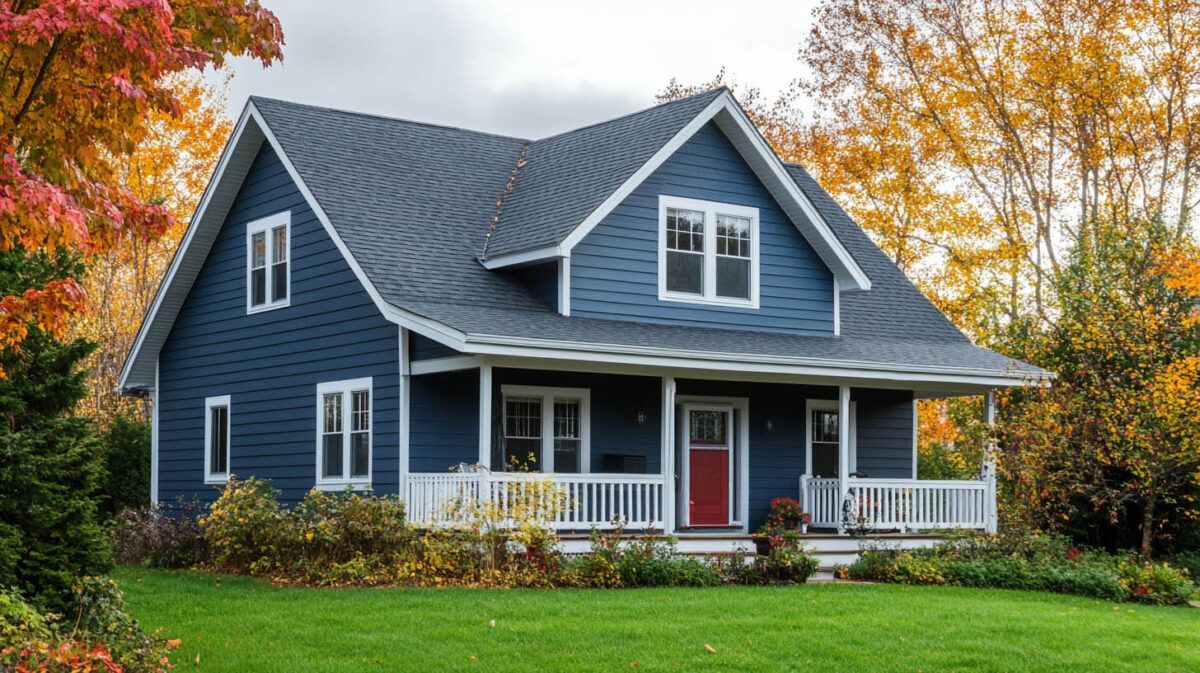
4. Blue – The Modern Standout
Navy and slate blue siding is gaining popularity for its unique yet sophisticated appearance. It adds character to both traditional and contemporary homes.
Best Accent Colors:
- White trim for a crisp, nautical feel.
- Gray or stone accents for a balanced, elegant look.
- Black window frames for a sleek, modern design.
5. Black – Bold and Dramatic
Black siding is a statement choice that works well for ultra-modern homes. It creates a sleek, high-end appearance when paired with the right accents.
Best Accent Colors:
- White or light gray trim for contrast.
- Natural wood features to soften the bold look.
- Dark green or burgundy doors for a unique touch.
Factors to Consider When Choosing Siding Color
1. Architectural Style
The architectural design of a home plays a major role in determining the most suitable siding color.
- Colonial Homes: Best with classic colors like white, beige, or light gray.
- Modern Homes:
Work well with bold colors like black, dark blue, or charcoal.
- Farmhouse and Craftsman Styles:
Suit earth tones, soft greens, or muted blues.
- Victorian Homes: Can handle brighter, more dramatic color combinations.
2. Neighborhood and Resale Value
While personal preference is important, it’s essential to consider how the chosen siding color fits within the neighborhood. A home that blends well with others in the area is more appealing to potential buyers.
Questions to Ask:
- Do neighboring homes feature neutral or bold colors?
- Will the color choice enhance or clash with the surroundings?
- If selling in the future, will buyers find the color appealing?
3. Climate and Sun Exposure
- Lighter Colors: Reflect heat, making them ideal for warm climates.
- Darker Colors: Absorb heat, which may be beneficial in colder regions but can fade faster in direct sunlight.
- UV Resistance: Choosing a fade-resistant siding material helps maintain color vibrancy over time.
4. Roof and Landscaping Coordination
Siding color should complement other exterior elements such as the roof, driveway, and landscaping.
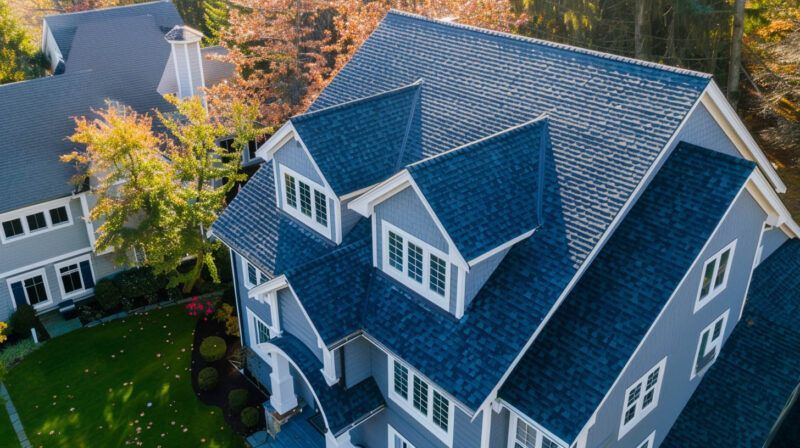
- Dark Roofs: Work well with light or medium siding colors for contrast.
- Light Roofs: Pair best with richer or darker siding hues.
- Brick or Stone Accents: Choose a siding color that enhances existing textures rather than competing with them.
Steps to Selecting the Best Siding Color
- Gather Inspiration – Look at home design magazines, Pinterest, and neighborhood homes for color ideas.
- Use Online Visualizers – Many siding manufacturers provide digital tools that allow homeowners to preview different colors on a virtual model of their house.
- Order Samples – Test color swatches on the home’s exterior to see how they look in different lighting conditions.
- Compare Against Fixed Elements – Ensure the color choice complements the roof, trim, and landscape.
- Consult a Professional – If unsure, working with an experienced contractor can provide valuable insight into the best siding colors for long-term satisfaction.
Working with Siding Professionals
Choosing the perfect siding color is just one part of the equation—proper installation is essential for durability and aesthetic appeal. 180 Contractors Roofing & Siding, located in Rochester Hills, MI, specializes in siding installation and exterior renovations. We are recognized for our commitment to quality and hold industry certifications including:
- BBB A+ Accredited – A mark of excellence in customer service.
- Guildmaster (GuildQuality) – Recognized for superior craftsmanship.
- INC 5000 –
Ranked among the fastest-growing companies in the home improvement sector.
- Google Guaranteed – Verified for exceptional service and customer satisfaction.
- Qualified Remodeler Top 100 Satisfaction –
Acknowledged for outstanding work in exterior remodeling.
We work with top brands like James Hardie, Alside, and Everlast, ensuring homeowners receive high-quality siding materials with long-lasting color retention.
Conclusion
Selecting the best siding color requires careful consideration of architectural style, climate, resale value, and personal preference. A well-chosen color enhances curb appeal, creates a cohesive exterior design, and increases property value. By testing samples, considering lighting effects, and consulting professionals, homeowners can confidently choose a siding color that will look great for years to come.
Frequently Asked Questions (FAQs)
- What color siding increases home value the most?
Neutral tones like white, beige, gray, and light blue tend to appeal to the widest range of buyers, enhancing resale value. - How do I know if a siding color will look good on my home?
Test samples in different lighting conditions and compare them against fixed elements like the roof and landscaping. - Do darker siding colors fade faster?
Yes, dark colors absorb more sunlight and may fade over time. Choosing high-quality, UV-resistant materials can help prevent fading. - Can I repaint my siding if I don’t like the color?
Certain siding materials, like wood and fiber cement, can be repainted, while vinyl siding typically requires replacement to change the color. - What is the best way to visualize siding color options?
Use online home design visualizers or consult a siding contractor who can provide professional recommendations.
Read also our blog:
The Best Ways to Maintain Your Home’s Siding for Long-Term Protection