Properly installed siding is crucial for both aesthetic appeal and structural protection. However, incorrect installation can lead to severe issues such as moisture infiltration, energy inefficiency, and premature damage. Recognizing the warning signs early can prevent costly repairs and ensure your home remains protected.
How to Identify Poor Siding Installation
1. Visible Warping, Rippling, and Bulging
Siding should lay flat against a home’s exterior. If panels appear wavy, bulging, or uneven, it often indicates poor installation.
Common Causes:
- Over-Nailing:
When siding is nailed too tightly, it lacks room for expansion and contraction, causing buckling.
- Improper Alignment: Failure to use leveling tools results in an uneven finish.
- Inadequate Support: If the underlying structure is not properly secured, siding may shift over time.
Solution:
- Panels should be secured but not overly tight to allow for temperature-related movement.
- A professional contractor should inspect misaligned sections and reinstall if necessary.
2. Cracks, Gaps, or Loose Panels
Siding acts as a barrier against the elements, but improperly installed panels can create gaps where moisture and pests can enter.
Signs of Poor Fit:
- Panels pulling away from the structure
- Visible cracks or openings at seams
- Sections that shift with minimal force
Solution:
- Replace cracked panels immediately.
- Secure loose siding with properly placed fasteners.
- Apply weatherproof caulking in small gaps to prevent moisture penetration.
3. Moisture Damage and Mold Growth
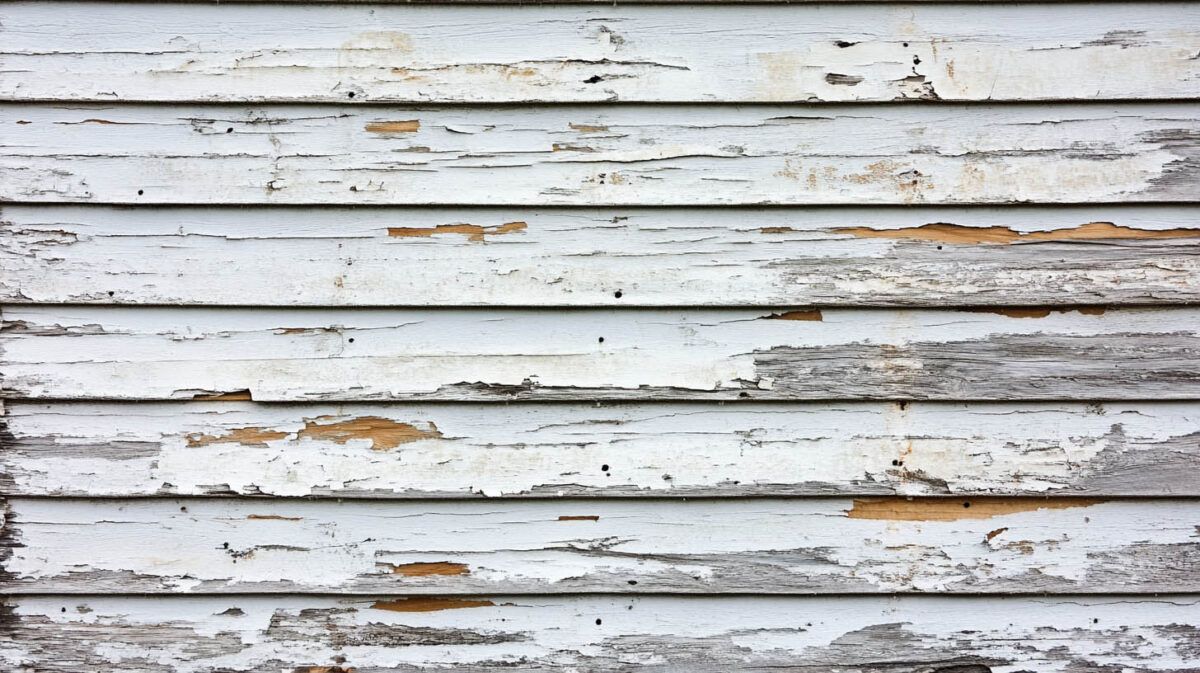
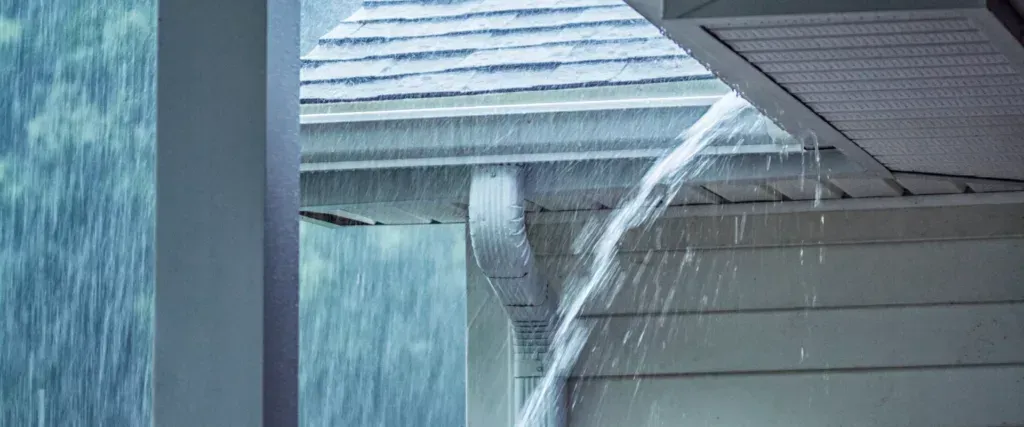
One of the most serious consequences of poor siding installation is water infiltration. If moisture gets behind the panels, it can lead to mold, mildew, and rot.
Warning Signs:
- Water stains or streaks on the siding
- Mold or mildew growth along seams
- Interior wall discoloration near siding
Solution:
- Ensure the use of proper house wrap or weather-resistant barriers.
- Repair or replace improperly installed flashing.
- Improve drainage by maintaining clean gutters and downspouts.
4. Increased Energy Bills
Siding helps insulate a home by preventing air leaks. If utility bills rise significantly after new siding installation, gaps or improper sealing could be the issue.
Possible Causes:
- Lack of insulation behind siding panels
- Unsealed gaps allowing drafts
- Poor material choice for climate conditions
Solution:
- Add an insulating layer beneath the siding for improved energy efficiency.
- Use foam-backed siding for additional thermal resistance.
- Conduct a professional energy audit to identify air leaks.
5. Misaligned or Uneven Corners
Corners should be flush and properly sealed. Gaps or misalignment at corners indicate improper measurements or poor workmanship.
How to Check for Issues:
- Inspect corners for consistent alignment.
- Ensure trim pieces fit securely without gaps.
Solution:
- Reinstall improperly cut or misaligned corner pieces.
- Use high-quality corner posts and trim to reinforce structural integrity.
Common Siding Installation Mistakes
Choosing the Wrong Fasteners
Using the incorrect type of nails or screws can lead to improper securing and long-term damage.
Best Practices:
- Use corrosion-resistant nails for longevity.
- Ensure nails are placed in the center of the nail slots, allowing movement.
Ignoring Climate Considerations
Siding should be chosen based on regional climate conditions.
- Cold Climates:
Fiber cement or insulated vinyl siding helps improve thermal efficiency.
- Humid Climates:
Mold-resistant materials like vinyl or treated wood are essential.
- Storm-Prone Areas:
Impact-resistant siding such as fiber cement provides added protection.
Skipping Proper Underlayment
A weather-resistant barrier should always be installed under siding to prevent moisture penetration.
Recommended Materials:
- House wrap for additional moisture resistance
- Foam insulation boards for improved energy efficiency
Repairing and Replacing Poorly Installed Siding
1. Assessing the Damage
- Conduct a thorough inspection to identify affected areas.
- Look for visible signs of warping, mold, or cracking.
2. Removing Defective Siding
- Carefully detach misaligned panels using a siding removal tool.
- Inspect the underlying structure for mold or damage.
3. Reinstalling with Proper Techniques
- Use appropriate fasteners and spacing to allow expansion and contraction.
- Apply sealants where necessary to prevent future moisture intrusion.
Choosing a Reliable Siding Contractor
Working with an experienced siding contractor ensures high-quality results and long-lasting protection.
180 Contractors Roofing & Siding, located in Waterford, MI, specializes in expert siding installation and repair. Our team holds the following industry certifications:
- BBB A+ Accredited – Recognized for superior customer service.
- Guildmaster (GuildQuality) –
Awarded for outstanding craftsmanship.
- INC 5000 – Ranked among the fastest-growing home improvement companies.
- Google Guaranteed – Verified for reliability and professionalism.
- Qualified Remodeler Top 100 Satisfaction – Acknowledged for high-quality workmanship.
We work with top-tier brands such as James Hardie, Alside, and Everlast, ensuring that homeowners receive durable and aesthetically pleasing siding solutions.
Conclusion
Poor siding installation can lead to structural damage, energy inefficiency, and aesthetic issues. Recognizing the warning signs—such as warping, moisture infiltration, and increased energy costs—allows homeowners to take action before problems worsen. Hiring a qualified contractor ensures that siding is installed correctly, providing lasting protection and value.
Frequently Asked Questions (FAQs)
- How do I know if my siding was installed correctly?
Check for smooth alignment, proper fastening, and sealed corners. Any visible warping, cracking, or gaps indicate poor installation. - Can improperly installed siding be fixed without replacing it?
Yes, minor issues such as loose panels or small gaps can often be repaired. However, extensive damage may require full replacement. - How long should professionally installed siding last?
With proper installation and maintenance, vinyl siding lasts 20–40 years, while fiber cement can exceed 50 years. - What should I do if I suspect my siding was installed incorrectly?
Contact a reputable contractor for an inspection. Address any structural concerns immediately to prevent further damage. - How much does it cost to replace improperly installed siding?
The cost varies depending on material type, extent of repairs, and contractor fees. Getting multiple estimates ensures a fair price.
Read also our blog:
How to Choose the Best Siding Color for Your Home.