Your home’s residential siding plays a vital role in protecting your house from the elements while also defining its overall aesthetic appeal. Proper maintenance ensures that your siding remains durable, visually appealing, and free from damage caused by environmental factors. While most modern siding materials are designed for durability, neglecting regular upkeep can lead to costly repairs and premature wear.
Below, we provide comprehensive siding maintenance tips to help homeowners extend the lifespan of their siding and maintain their home’s curb appeal.
The Importance of Regular Siding Maintenance
Maintaining your siding is crucial for several reasons:
- Prevents structural damage:
Damaged siding can allow moisture to seep into your home, leading to mold growth, rot, and compromised insulation.
- Enhances curb appeal: Clean, well-maintained siding improves your home’s appearance and increases its value.
- Extends lifespan: Routine maintenance prevents premature wear, saving homeowners money on repairs or replacements.
- Boosts energy efficiency: Cracked or damaged siding can lead to energy loss, causing your HVAC system to work harder and increasing utility bills.
Essential Residential Siding Maintenance Tips
1. Routine Cleaning to Prevent Dirt Buildup
Over time, dust, dirt, and mildew accumulate on siding, diminishing its appearance. Regular cleaning helps maintain its fresh look and prevents grime buildup.
Best Claning Methods Based on Siding Type:
- Vinyl Siding:
Use a soft brush with a mixture of mild soap and water. Avoid harsh chemicals that can degrade the material.
- Wood Siding: Gently wash with a specialized wood cleaner to remove mold and mildew without damaging the finish.
- Fiber Cement Siding:
Use a garden hose and mild detergent to clean debris without pressure washing.
- Brick and Stone Veneer:
Power washing can be effective, but it’s essential to reseal the surface after cleaning.
2. The Benefits of Power Washing
For a deep clean, power washing is one of the most efficient ways to remove grime, algae, and mildew. However, improper use of a power washer can damage the siding.
Power Washing Tips:
- Keep the nozzle at least 12 inches away from the siding.
- Use low pressure settings for delicate materials like fiber cement and wood.
- Work from top to bottom to avoid streaking.
- Avoid spraying water upward, as it can seep behind panels and cause moisture issues.
Hiring a professional power washing service is often the best option, as they have the expertise to clean siding effectively without causing damage.
3. Inspect for Cracks, Warping, and Moisture Damage
Periodic inspections help catch potential issues early, preventing minor damages from escalating into costly repairs.
Key Areas to Inspect:
- Cracks and Gaps: Small openings in siding can allow pests and moisture inside, leading to structural issues.
- Warping or Bubbling:
Indicates water infiltration, which may require immediate repair.
- Fading and Paint Peeling:
UV exposure and harsh weather conditions can cause paint to fade, requiring repainting or re-sealing.
- Mold and Mildew Growth: Common in humid climates, mold can spread quickly and cause health issues if left untreated.
4. Painting and Sealing for Extra Protection
A fresh coat of paint or sealant can extend the lifespan of your siding by protecting it from UV rays, moisture, and temperature fluctuations.
Painting and Sealing Recommendations:
- Wood Siding: Requires painting or staining every 3-5 years to maintain durability.
- Brick and Stone: Applying a water-repellent sealant helps protect against moisture damage.
- Fiber Cement:
Can be painted, but requires a high-quality exterior-grade paint to prevent peeling.
- Vinyl Siding: Does not typically require painting, but UV-resistant coatings can prevent fading.
5. Trimming Landscaping to Protect Siding
Overgrown trees, shrubs, and vines can cause damage to siding by trapping moisture against the surface and creating an environment for mold growth.
Landscaping Tips for Siding Protection:
- Trim shrubs and trees at least 12 inches away from siding.
- Remove climbing vines, as they can retain moisture and cause wood rot.
- Clear fallen leaves and debris, especially in areas where water tends to accumulate.
6. Preventing Pest Infestations
Siding that is not properly maintained can attract pests such as termites, carpenter ants, and rodents, leading to costly repairs.
How to Prevent Pest Damage:
- Seal cracks and holes to prevent insect entry.
- Keep firewood and mulch away from the house foundation to deter termites.
- Use insect-repelling sealants on wood siding to minimize infestations.
7. Checking and Maintaining Gutters and Downspouts
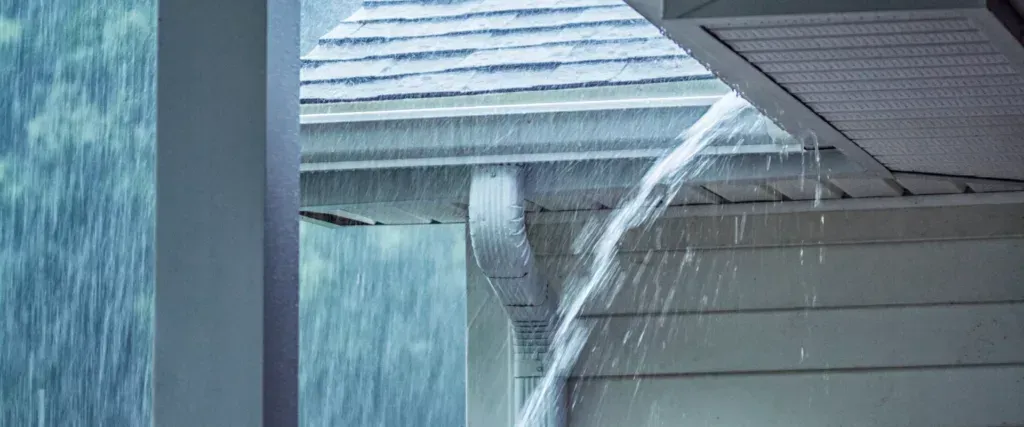
Poorly maintained gutters can cause water to overflow and seep behind siding, leading to mold and rot.
Gutter Maintenance Checklist:
- Clean gutters twice a year to prevent clogs.
- Ensure downspouts direct water away from siding.
- Repair any loose or leaking sections immediately.
When to Consider Siding Replacement
Even with proper maintenance, siding will eventually need replacement. Signs that it may be time for new siding include:
- Visible holes, cracks, or extensive warping
- Frequent repairs that become costly
- Significant mold or mildew buildup
- Persistent drafts and increased energy bills
Investing in high-quality siding materials from reputable brands like James Hardie, Alside, and Everlast can offer superior durability and long-term value.
Choosing a Professional for Siding Maintenance and Replacement
Maintaining and replacing siding requires expertise to ensure proper installation and durability. 180 Contractors Roofing & Siding, located in Rochester Hills, MI, is a trusted name in the industry, known for its high-quality craftsmanship and excellent customer service.
Certifications and Achievements:
- BBB A+ Accredited
- Guildmaster Award (GuildQuality)
- INC 5000 Recognition
- Google Guaranteed
- Qualified Remodeler Top 100 Satisfaction
Their team works with top-rated brands to provide homeowners with siding solutions that enhance both durability and curb appeal.
Frequently Asked Questions (FAQs)
1. How often should I clean my siding?
For most homes, a thorough cleaning once or twice a year is sufficient. However, if you live in an area with high humidity or frequent storms, you may need to clean it more often.
2. Is power washing safe for all types of siding?
No, power washing should be used with caution. It is suitable for brick, vinyl, and some fiber cement siding, but can damage wood siding if used at high pressure.
3. What is the best way to prevent mold on siding?
To prevent mold, trim back vegetation, clean siding regularly, and ensure proper drainage from gutters and downspouts.
4. How can I tell if my siding needs replacement?
Signs of replacement include cracks, warping, rot, mold growth, and high energy bills due to poor insulation.
5. What is the most durable siding material?
Fiber cement and vinyl siding are among the most durable, offering resistance to moisture, insects, and extreme weather conditions.
Conclusion
Regular maintenance is essential to extend the lifespan of residential siding, prevent costly repairs, and enhance curb appeal. By following these maintenance tips and investing in professional services when needed, homeowners can ensure their siding remains in top condition for years to come.
For expert siding maintenance, repairs, and installation, consider working with a trusted contractor to guarantee high-quality results and lasting durability.
Read also our blog:
The Benefits and Practicality of Metal Siding for Homes