Introduction
Siding plays a crucial role in protecting and enhancing the appearance of a home. While wood siding has been a traditional choice for decades, many homeowners are now making the switch to vinyl. This shift is driven by factors such as durability, cost-effectiveness, and reduced maintenance requirements. Understanding the advantages of vinyl siding over wood can help homeowners make an informed decision about upgrading their exteriors.
The Limitations of Wood Siding
High Maintenance Requirements
Wood siding requires frequent upkeep to maintain its appearance and structural integrity. This includes sealing, painting, and replacing damaged sections regularly. If left untreated, wood siding is susceptible to warping, cracking, and moisture absorption, leading to rot and deterioration.
- Sealing and Painting: Most wood siding needs to be repainted or resealed every four to seven years to prevent damage from exposure to the elements.
- Moisture Absorption:
Without proper maintenance, wood can absorb water, leading to swelling, mold growth, and eventual decay.
- Pest Infestation:
Termites, carpenter ants, and other wood-boring insects can compromise the integrity of wood siding, leading to costly repairs.
Vulnerability to Weather Conditions
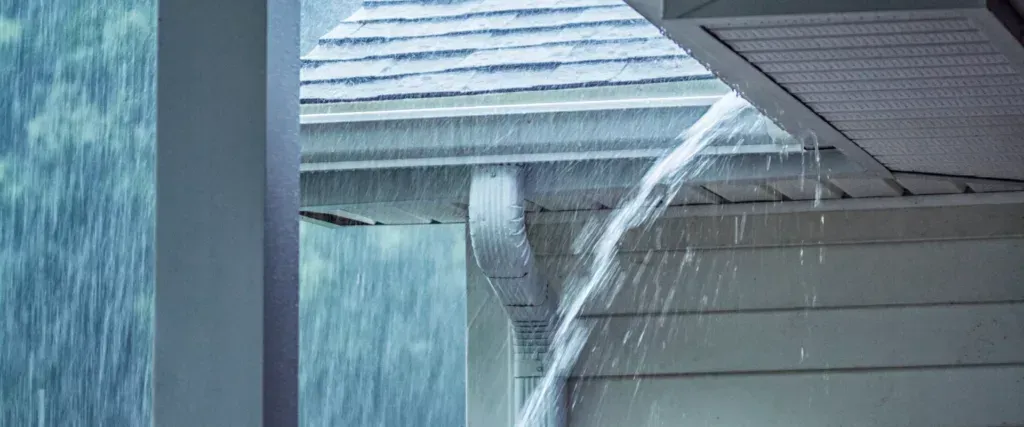
Wood siding is prone to damage from extreme weather conditions. Heavy rain, snow, and fluctuating temperatures can cause wood to expand, contract, and crack over time. UV exposure also leads to fading and deterioration, requiring additional refinishing.
Expensive Repairs and Replacement
When wood siding is damaged, repairs can be costly. Unlike vinyl siding, which can be replaced in sections, wood siding often requires entire boards to be removed and replaced. The cost of materials and labor can quickly add up, making long-term maintenance expensive.
The Advantages of Vinyl Siding
Low Maintenance
Vinyl siding requires minimal upkeep compared to wood. It does not need to be painted, sealed, or treated for pests. A simple cleaning with a hose and mild detergent is enough to keep it looking fresh.
- Fade Resistance: Modern vinyl siding is engineered to resist UV rays, preventing fading over time.
- Mold and Mildew Resistance: Unlike wood, vinyl does not absorb moisture, reducing the risk of mold and mildew growth.
- Pest-Proof: Vinyl siding does not attract termites or carpenter ants, eliminating the need for frequent pest control treatments.
Durability and Longevity
Vinyl siding is designed to withstand harsh weather conditions, including heavy rain, snow, and extreme heat. It does not crack, warp, or rot like wood. High-quality vinyl siding can last between 30 and 40 years with minimal maintenance.
- Impact Resistance: Unlike wood, which can splinter or crack, vinyl siding is engineered to withstand impact from hail, debris, and accidental bumps.
- Moisture Resistance: Vinyl does not absorb water, preventing warping, mold growth, and interior damage.
- Fire Resistance: Some vinyl siding products are manufactured with fire-resistant properties, reducing the risk of ignition in case of a fire.
Cost-Effectiveness
Vinyl siding is significantly more affordable than wood, both in terms of initial installation and long-term maintenance.
- Lower Installation Costs:
Wood siding materials and labor costs are typically higher than vinyl, making vinyl the more budget-friendly option.
- Energy Efficiency Benefits: Many modern vinyl siding products are designed with insulation layers, reducing heat loss and lowering energy bills.
- No Ongoing Refinishing Costs: Unlike wood, which requires frequent repainting and sealing, vinyl maintains its color and integrity for decades.
Design and Customization Options
Variety of Styles and Colors
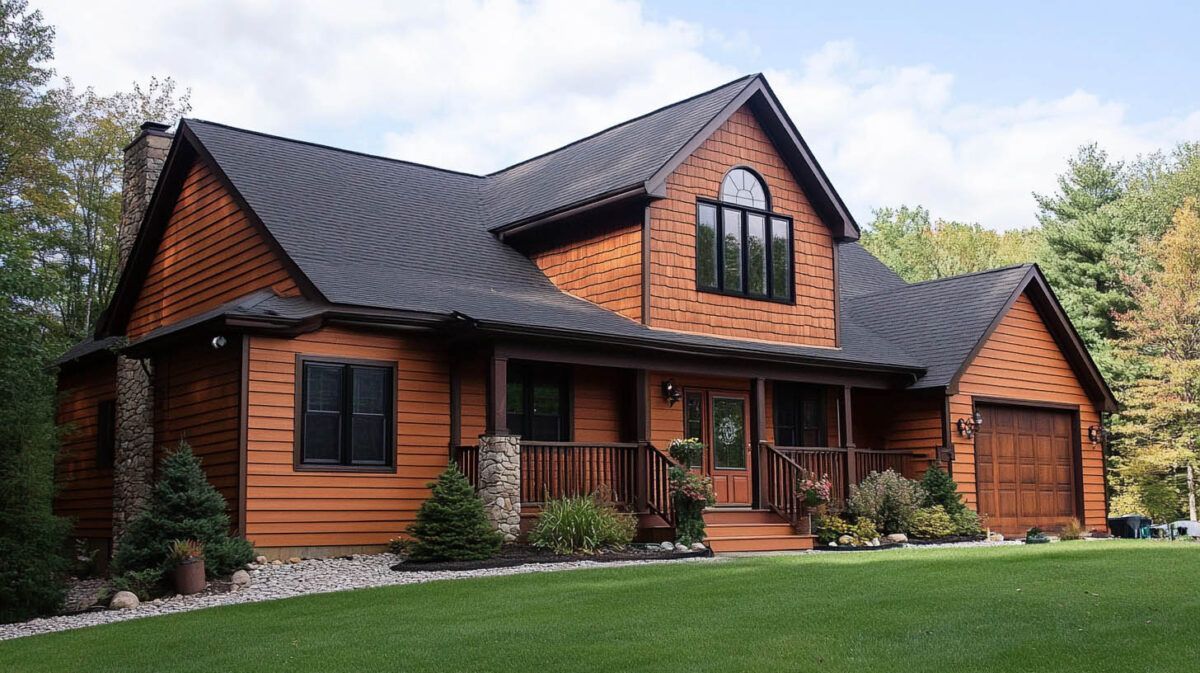
Vinyl siding offers homeowners a wide range of styles, textures, and colors to match their aesthetic preferences. Modern manufacturing techniques allow for vinyl siding to mimic the appearance of wood, providing a classic look without the associated maintenance.
- Wood-Grain Finishes:
Homeowners who appreciate the look of natural wood can choose textured vinyl siding that closely resembles traditional wooden planks.
- Multiple Color Options: Unlike wood, which requires repainting to change colors, vinyl siding comes in a vast selection of factory-applied colors that resist fading.
- Custom Trim and Accents: Homeowners can enhance their exterior with matching trim, shutters, and decorative accents, all made from durable vinyl materials.
Can Vinyl Siding Be Installed Over Wood?
In some cases, vinyl siding can be installed over existing wood siding. However, the condition of the wood must be evaluated before installation.
- Removing the Wood Siding: Completely removing old wood siding before installing vinyl ensures a smooth, even finish and eliminates concerns about rot or insect infestation.
- Installing Over Existing Wood: If the wood is in good condition, vinyl siding can be installed over it with the addition of a moisture barrier to prevent trapped humidity.
Why More Homeowners Are Making the Switch
With its combination of affordability, durability, and low maintenance, vinyl siding is becoming the preferred choice for homeowners seeking a long-lasting exterior solution. Advances in manufacturing have improved vinyl’s aesthetic appeal, allowing it to replicate the charm of wood without the drawbacks.
At 180 Contractors Roofing & Siding, we specialize in high-quality siding installation, offering industry-leading products from James Hardie, Alside, and Everlast. Our commitment to excellence has earned us recognition as a BBB A+ accredited, Guildmaster-certified, INC 5000, and Google Guaranteed company. Our expert team ensures professional installation, enhancing both the protection and curb appeal of your home.
Frequently Asked Questions
1. How long does vinyl siding last compared to wood?
Vinyl siding can last 30 to 40 years with minimal maintenance, whereas wood siding typically requires replacement or major repairs after 20 to 30 years.
2. Does vinyl siding require painting?
No, vinyl siding comes in pre-colored panels that are fade-resistant and do not require painting.
3. Can vinyl siding increase my home’s energy efficiency?
Yes, insulated vinyl siding can reduce heat loss, leading to lower energy bills and improved indoor comfort.
4. How do I clean vinyl siding?
A simple wash with water and mild soap is sufficient. Pressure washing can also be used for deeper cleaning.
5. Is vinyl siding resistant to extreme weather?
Yes, modern vinyl siding is designed to withstand high winds, heavy rain, snow, and extreme temperatures without warping or cracking.
Conclusion
Replacing wood siding with vinyl offers numerous benefits, including lower maintenance, increased durability, and cost savings. With a wide range of design options and long-lasting performance, vinyl siding provides homeowners with a practical and aesthetically pleasing solution for their exteriors. Choosing professional installation ensures a seamless transition, maximizing the benefits of this modern siding option.
Read also our blog:
The Best Time of Year to Install New Vinyl Siding